
Schuberth C5 vs Arai Regent-X: Which Is Better for Touring vs Daily Riding?
 Evan Rally
left for contents
Two premium helmets, two very different jobs. The Schuberth C5 is a German-built touring modular with ECE 22.06 P/J certification, an integrated sun visor, and a pre-wired Sena SC2 comms cavity for around $799 in solid colors. The Arai Regent-X is a stripped-down, Japanese-handmade full-face built around Snell M2020 protection and lightweight comfort at about $560.
That ~$240 gap buys you a flip-up chin bar and most of a touring tech package. Whether it’s worth it depends on whether your week is gas-station chats and 400-mile days, or stoplights and short commutes.
Buy the Schuberth C5 if you:
- Log long touring days and want to flip the chin bar up at fuel stops, border crossings, and lunch breaks without taking the helmet off.
- Want a fully integrated communications setup with the pre-wired Sena SC2 system and a drop-down sun visor built in.
- Prioritize highway quiet and ECE 22.06 P/J homologation for legal open-face riding in Europe.
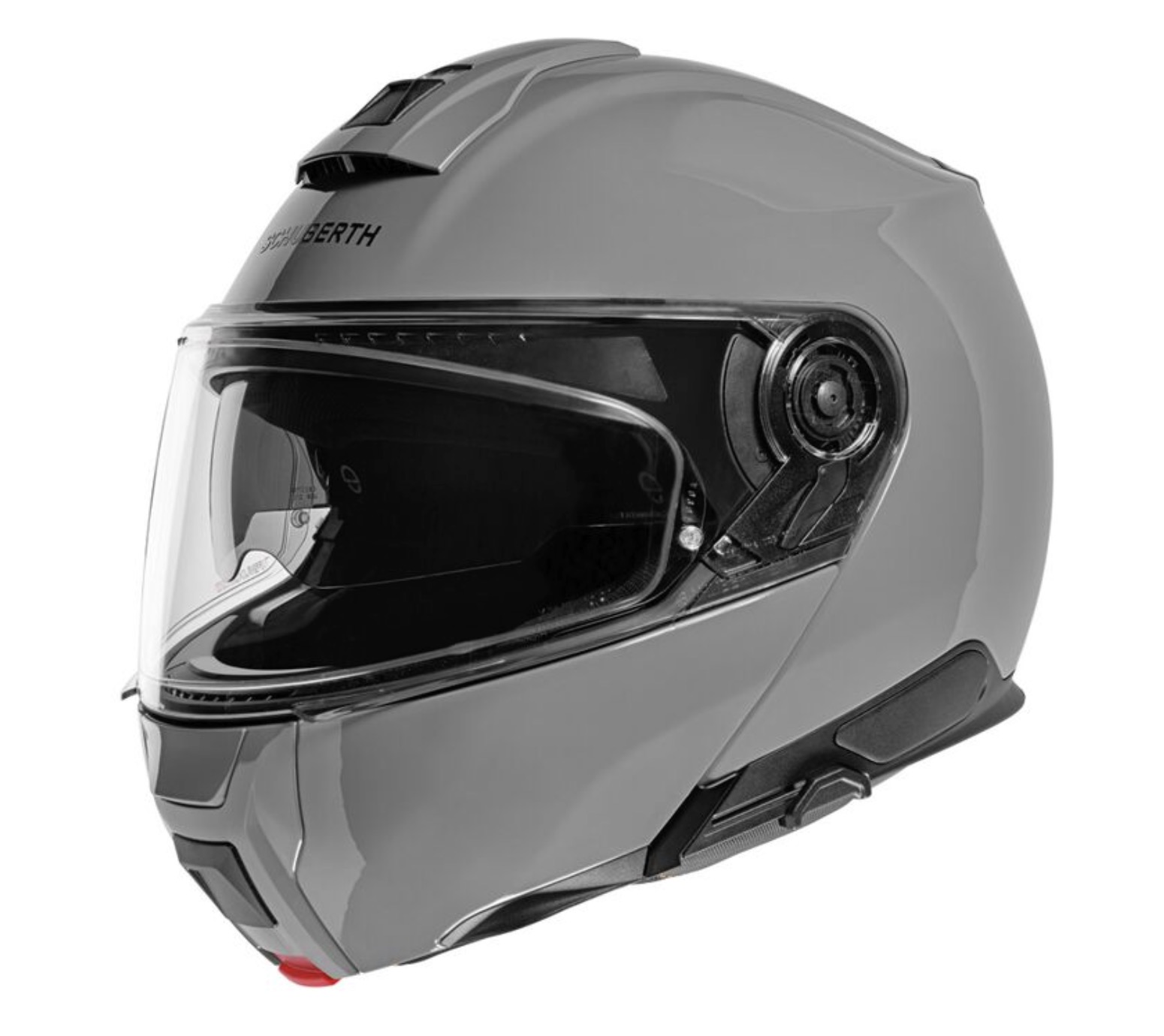
The quietest touring helmet money can buy, kitted out with all the features you expect for those long days in the saddle.
- Modular flip up chin bar
- Drop down sun visor
- Space for integrated comms unit
- Many colorway options
- DOT certified, with ECE in EU
- Heavier than most full-face helmets
- Visor mechanism needed refinement early on
Buy the Arai Regent-X if you:
- Want the lightest, simplest premium helmet you can buy for daily riding, with no flip mechanism to maintain.
- Trust Snell M2020 certification and Arai’s round-shell “glance off” safety philosophy.
- Ride short, frequent trips where you put the helmet on, ride, and take it off, and don’t need a sun visor or integrated comms.
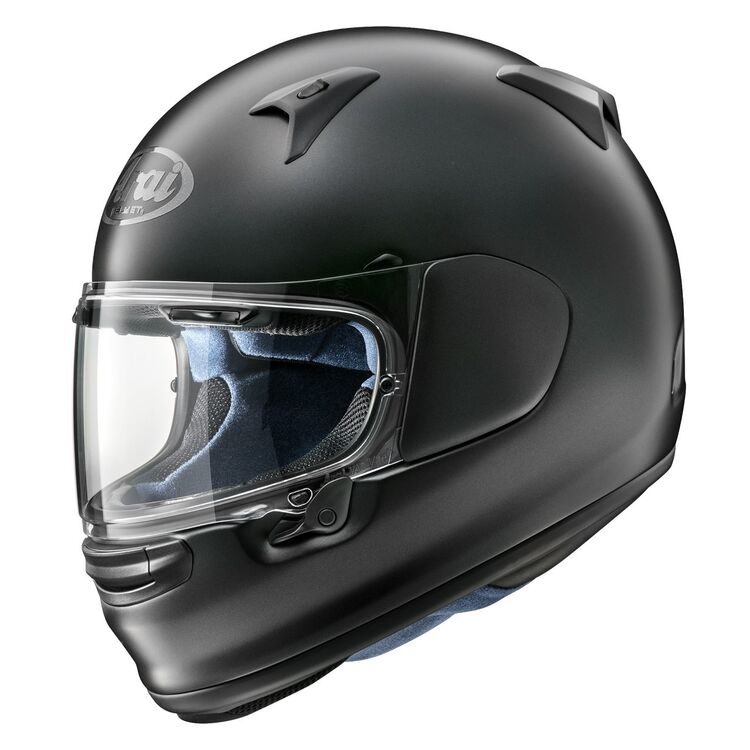
Arai's most accessible helmet offering premium build quality, plush comfort, and high-end safety certifications in a surprisingly easy-to-put-on package.
- Exceptional comfort thanks to plush Facial Contour System
- Snell M2020 & DOT certified for elite crash protection
- Effortless donning with wider shell opening
- Wide eyeport with Pinlock‑ready Max Vision shield
- Vent controls can feel stiff when wearing gloves
- Heavier and noisier than ultra‑premium sport helmets
Bottom line: The C5 is worth the extra ~$240 if touring features earn their keep every week. The Regent-X is the smarter buy if you want pure Arai craftsmanship at a daily-rider price.
At-a-Glance: Specs & Price
| Specs | Schuberth C5 | Arai Regent-X |
|---|---|---|
| Weight | ~3.8 lbs / 1,647 g (size M) | ~3.41 lbs / 1,547 g (size M) |
| Fit/Shape | Intermediate Oval (adaptive liner) | Intermediate Oval |
| Shell/Materials | DFP fiberglass reinforced with carbon fiber, 2 shell sizes | PB-cLc (Peripherally Belted Complex Laminate) fiberglass composite, 3 shell sizes |
| Safety/Cert | DOT, ECE 22.06 P/J dual homologation | DOT, Snell M2020 |
| Ventilation | Top crown vent, brow/visor vent, rear exhaust, chin vent | Free Flow System: 5 intake vents, 6 exhaust outlets, chin curtain |
| Sun Visor | Yes (internal drop-down) | No (external Pro Shade VAS-V accessory sold separately) |
| Comms Readiness | Pre-wired for Sena SC2 system with built-in HD speakers, antennas, and microphone channels (SC2 unit ~$349 separately) | Speaker pockets; external aftermarket comms required |
| Shield | Anti-fog ready with Pinlock 120 Max Vision insert included, Memory Function | VAS-V shield, Pinlock-ready but insert not included (~$35 extra) |
| Chin Strap | Micrometric ratchet with Anti-Roll-Off System | Double-D ring |
| Warranty | 2-year standard; 5 years total with registration | 5-year limited |
| Price (typical) | ~$799 solid / ~$849 graphic (as of early 2026) | ~$560 solid / ~$690 graphic (as of early 2026) |
Who Each Product Is Built For
The Schuberth C5 rider
- You spend full Saturdays on the bike, not 20 minutes at a time. The modular chin bar is your hands-free pit pass at every gas station, ferry crossing, and roadside coffee.
- You want comms that disappear into the helmet. Schuberth pre-installs HD speakers, antennas, and microphone wiring so the SC2 plugs in like it belongs there. No external clamps, no Velcro speaker pads, no wind-catching profile.
- You ride in changing light all day. The drop-down internal sun visor handles a sunrise launch, a noon canyon descent, and a shaded forest section without you stopping to swap shields.
- You value European safety standards. ECE 22.06 P/J homologation means the C5 is certified to be ridden legally with the chin bar both down (P) and up (J).
- You ride year-round in mixed weather. The included Pinlock 120 Max Vision insert and the new chin curtain seal mean you don’t squint through a fogged shield on a damp morning.

The Arai Regent-X rider
- You ride to work, ride to the cafe, ride for an hour on Saturday morning. Short, frequent trips where pulling a helmet on and off shouldn’t be a workout.
- You want Arai’s signature smooth, round shell and the R75 safety philosophy that goes with it, without paying flagship money for it.
- You trust Snell certification. The Regent-X carries Snell M2020 and DOT, and Arai’s in-house testing standard is stricter than the certification itself.
- You’re glasses-friendly. The Facial Contour System cheek pads have channels designed for temple arms, so you don’t fight your frames every time you put the helmet on.
- You feel the difference between 3.4 lbs and 4 lbs at the end of a ride. The Regent-X is one of the lighter premium full-face helmets you can buy.
What Riders Report (Hands-on & Owner Feedback)
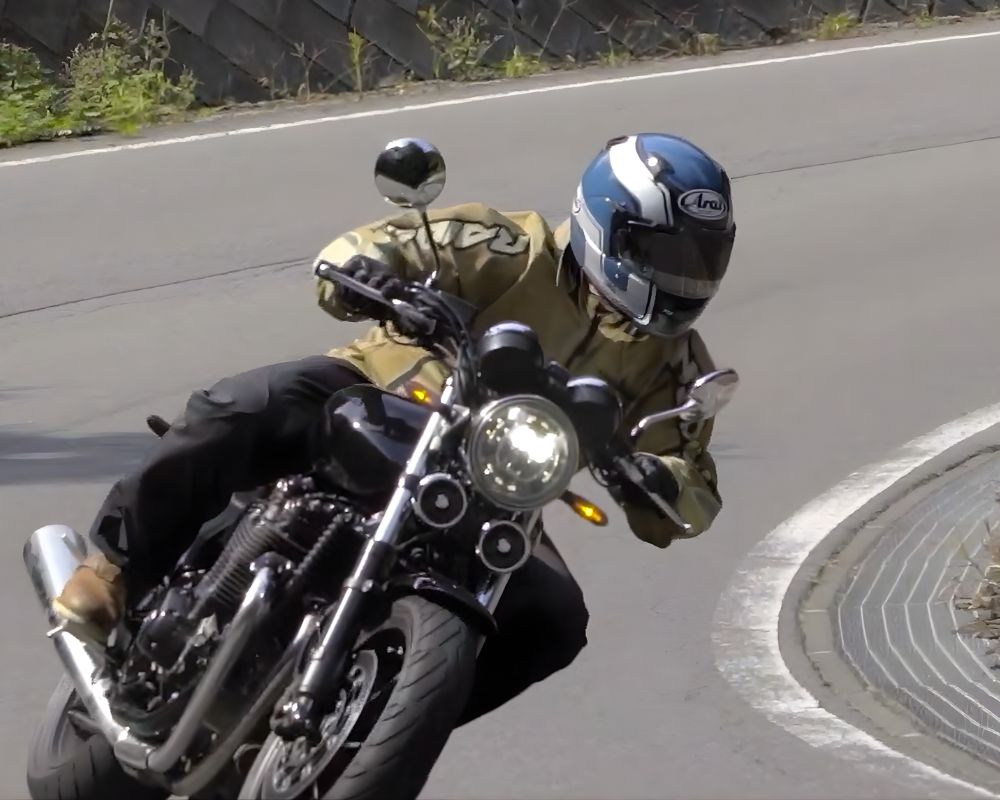
We have a five-month hands-on review of the C5 from our Featured Creator, so most of the C5 feedback below combines our own published testing notes with consensus from independent reviewers and long-term owners. The Regent-X feedback comes from multiple reputable reviews and owner reports from rider forums.
C5 owners love:
- Top vent that actually pulls air. Our reviewer called the crown vent one of the best she’s used. Open it at speed and you feel cool air rush across the top of your head almost immediately. The brow vent under the shield clears fog quickly, which matters on a chilly morning commute.
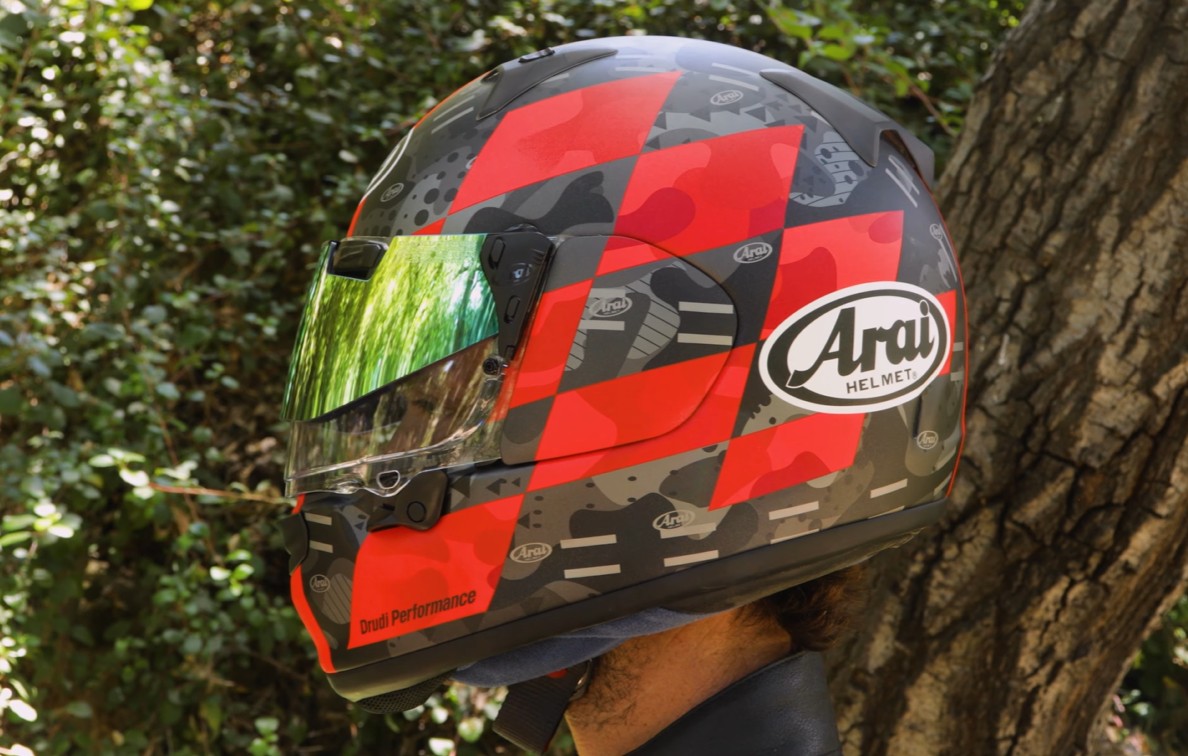
- Quiet at highway speed. Multiple owner reports describe the C5 as one of the quieter modular helmets they’ve worn, with less buffeting than the Shoei Neotec 2. Our reviewer ran the C5 on a BMW R1200RT, a BMW GS, and a Honda NC750 and found it consistently calm at speed.
- Easy modular button. The center-mounted chin bar release operates smoothly with one gloved hand. For a touring helmet where you use that mechanism multiple times per ride, smoothness counts.
- Sun visor lever placement. The slider sits low on the left cheek pad, easy to reach with your left hand without taking your eyes off the road. Our reviewer specifically called this out as better-placed than the equivalent control on the Neotec 2.
C5 owners flag:
- The infamous dropping visor. Owner reports across multiple forums and our own testing confirm that the main face shield can be pushed down by wind at certain speeds when ridden partially open. Speed varies by bike, but our reviewer hit the issue at 52 mph on the RT and over 65 mph on the GS. Schuberth has not officially addressed it, but our review covers a $1.70 O-ring fix that resolves the problem.
- Chin strap discomfort as a passenger. The same chin strap that’s perfect while riding can press on your Adam’s apple if you sit passenger and your posture changes. Worth knowing if your helmet sees pillion duty.
- Weight. At ~3.8 lbs, the C5 is heavier than most full-face lids. Most owners adjust after a few rides, but you notice it on the first put-on.

Regent-X owners love:
- Comfort out of the box. Multiple owners and independent reviewers describe the Regent-X as the most comfortable Arai they’ve worn. The redesigned Facial Contour System cheek pads use a foam spring that compresses without creating pressure points.
- Easy on, easy off. The Hyper Ridge at the helmet base is 5mm wider than previous Arai models, so the helmet slides over your ears without folding them. Long-time Arai wearers say it’s a notable change from older Quantum and Corsair fits.
- Glasses-friendly cheek pads. Channels cut into the cheek pads for eyeglass temple arms get consistent praise. You can put your glasses on and slide the helmet down without fighting the foam.
- Build quality at the price point. For an “entry-level” Arai, owners report the same finish, hardware, and shell quality you find on the Corsair-X or Quantum-X. The savings come from a different resin compound and simpler vent switches, not from cutting corners.
Regent-X owners flag:
- No Pinlock insert in the box. At $560, some owners are frustrated that they have to spend another ~$35 to get fog protection set up. Many premium helmets in this price range include the insert.
- No internal sun visor. Arai’s position is firm: an internal visor void would disqualify the helmet from Snell testing. You can buy the external Pro Shade VAS-V accessory, but it changes the helmet’s profile.
- Vent switches feel dated. The Regent-X carries over older-style vent controls. They work, but they’re not as easy to operate with thick winter gloves as what you’d find on the Contour-X or Quantum-X.
Not Sure What Size to Order? Get Our Gear Fit Guide.
Sizing charts for helmets, jackets, gloves & boots — with brand-specific fit notes and pro tips so your gear fits right the first time.
- Helmet sizing by brand
- Jacket, glove & boot charts
- Head shape guide
- Between-sizes tips
Head-to-Head by Category
Touring convenience vs daily simplicity
This is the core split. The C5 is built around long-day convenience. Flick the chin bar release at a gas station, swing it up, swipe your card, drink your coffee, and you’re back on the bike without ever taking the helmet off. On a 12-hour day with five or six stops, that adds up to real saved hassle. The included Pinlock insert, integrated SC2 cavity, and drop-down sun visor compound the convenience.
The Regent-X plays the opposite hand. No flip mechanism to fail, no internal visor to scratch, no electronics in the shell. You put it on, you ride, you take it off. For a 20-minute commute or a quick coffee ride, the absence of features is the feature. Most owners describe it as feeling lighter and more out of the way than premium modulars with the same fit.
If your riding is built around long days and frequent stops, the C5’s tech earns its keep every ride. If it’s short, frequent trips with the helmet on and off quickly, the Regent-X is faster to live with.
Noise at highway speeds
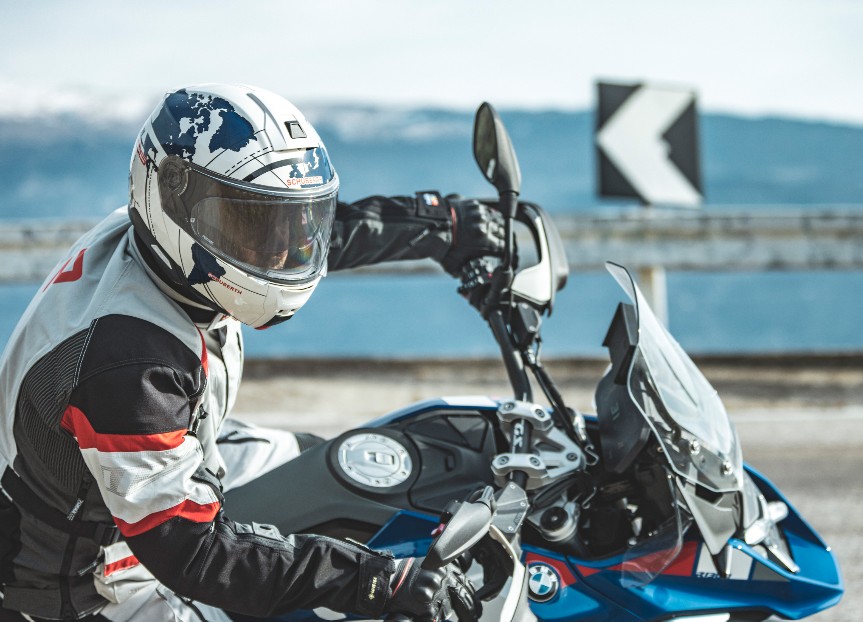
The gap here is closer than the price difference suggests. Schuberth built its reputation on quiet helmets and the C5 delivers, with an aerodynamic shell, sealed chin curtain, and tight visor seal that combine into one of the quieter modular helmets on the market. Our reviewer specifically called the C5 quieter than the Shoei Neotec 2 across three different bikes.
The Regent-X is impressively quiet for a vented full-face. Independent reviewers describe it as calm up to around 70 mph. Above that, a few owners report noticeable wind noise, but most find it comparable to helmets costing $200 more.
The C5 still has the edge, especially if you ride upright on a touring bike. But the gap is smaller than you’d expect for a helmet costing 40% more. On a bike with a tall windscreen and good aerodynamics, the Regent-X may be quiet enough that the extra money doesn’t pay off in your ears.
Weight and fatigue
The Regent-X wins on raw weight. At ~3.41 lbs, it’s about 0.4 lbs lighter than the C5’s ~3.8 lbs. On a 30-minute ride you barely notice. On hour six of a touring day, you feel it in your neck.
The C5 compensates with good aerodynamic balance. Schuberth wind-tunnel tested the shell and the helmet sits stable at speed without buffeting, with the weight distributed so it doesn’t pull forward or to the side. But physics doesn’t care about engineering when your neck muscles are tired.
If you do long sport-touring days leaned forward, the Regent-X’s lower weight matters more. If you ride upright with the helmet supported by airflow, the C5’s balance evens things out.
Ventilation in heat
The Regent-X moves more air. Eleven vent openings (5 intakes, 6 exhausts) and the Free Flow System pull a strong volume of cooling airflow through the shell. At sustained speed in summer heat, you feel it on your scalp and across the back of your head.
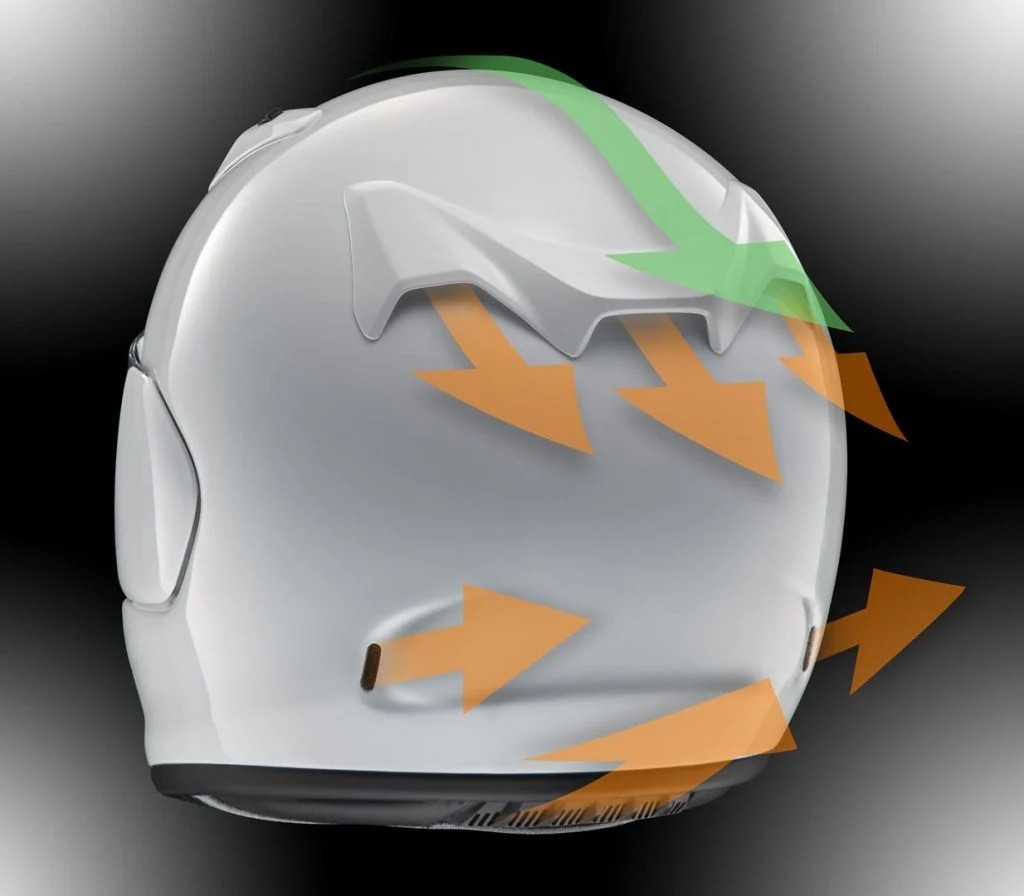
The C5 has fewer vents but well-placed ones. Our reviewer specifically called out the top crown vent as exceptional, and the brow vent does double duty for visor defogging. At cruising speed both helmets ventilate adequately; the Regent-X simply has more openings working in your favor.
The C5 has one trick the Regent-X can’t match: at a stoplight in August traffic, you flip the chin bar up. Nothing cools you off faster than turning a modular into an open-face for 90 seconds. If your hot-weather riding includes a lot of low-speed work in city traffic, that trick matters more than vent count.
Comms-ready fitment
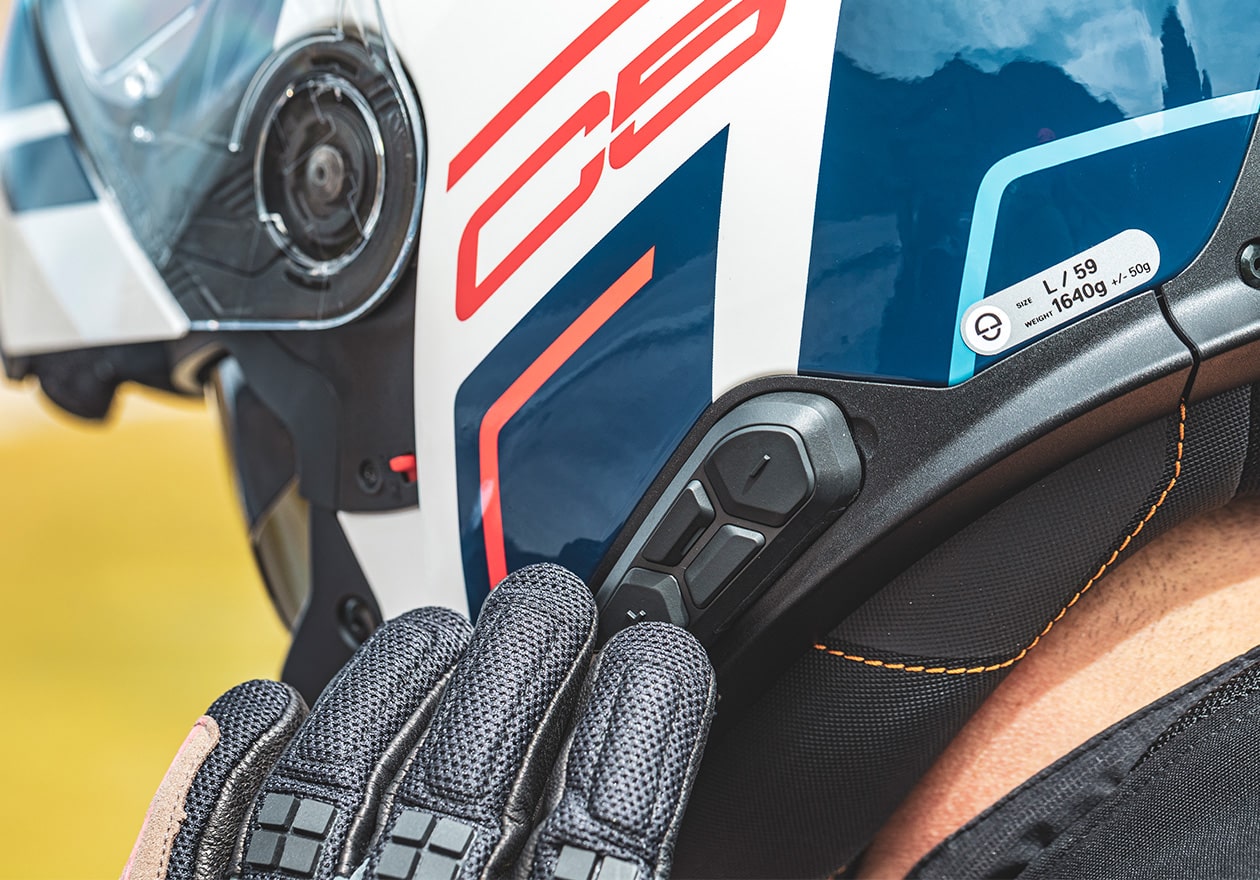
The C5 leaves the Regent-X behind here. Schuberth designed the C5 around the Sena SC2 system, with HD speakers, three antennas (FM radio, Bluetooth intercom, Mesh intercom), and microphone wiring pre-installed inside the helmet. The SC2 unit clicks into a dedicated bay on the side. No clamps, no Velcro, no external profile.
The Regent-X has basic speaker pockets and enough internal room for an aftermarket Sena or Cardo. The installation works, but it’s a clamp-on or stick-on setup with a unit visible on the outside of the helmet. For most riders that’s fine. For a clean factory-fit experience, the C5 is the only option here.
Safety certification approach
Both helmets are seriously protective, but they take different routes to get there.
The C5 carries DOT and ECE 22.06 P/J dual homologation, meaning it’s certified to be ridden legally with the chin bar both closed (P) and open (J). ECE 22.06 is the newer European standard and includes rotational impact testing alongside the traditional linear impact tests.
The Regent-X carries DOT and Snell M2020. Snell is a voluntary U.S. testing standard that many riders consider more demanding than DOT for linear impact protection, and Arai runs its own internal testing that exceeds Snell.
There’s no clean winner. ECE 22.06 emphasizes rotational forces and modular configurations. Snell M2020 emphasizes high-energy linear impacts. If you ride in Europe, the C5’s ECE certification is required for road use. If you trust Snell’s approach, the Regent-X is the only one of these two helmets that carries it.
Value for Money: Is the Upgrade Worth It?
Here’s exactly what the ~$240 gap between the Regent-X ($560) and the C5 ($799) gets you:
- Modular flip-up chin bar with P/J dual homologation for legal open-face riding in Europe.
- Drop-down internal sun visor, no aftermarket accessory needed.
- Pre-wired Sena SC2 comms integration with HD speakers, antennas, and microphone wiring already in the shell (SC2 unit sold separately).
- Pinlock 120 Max Vision insert included in the box (saves ~$35 vs. buying it separately for the Regent-X).
- ECE 22.06 certification alongside DOT, plus the newer rotational impact testing the standard includes.
- Visor Memory Function that returns the visor to the same position after flipping the chin bar.

If you tour multiple times a year and commute on the helmet weekly, the C5’s ~$240 premium pays for itself in features you use every ride. The included Pinlock alone covers most of the gap if you’d buy one anyway.
If your riding is mostly short trips and you don’t need a sun visor or factory comms, you’re paying a premium for tech that sits idle. The Regent-X gives you Arai-level craftsmanship and Snell protection for less money, and you can put the savings toward a Pinlock insert, an external Cardo or Sena, and a tank of gas.
One more note on the C5: the visor-drop issue is real, and our reviewer documented it firsthand across three different bikes. The $1.70 O-ring fix from this five-month Schuberth C5 review resolves it, but you should know about it before you buy. The Regent-X has no equivalent quirk.
Good Alternatives
Shoei Neotec 3 (~$950): The benchmark touring modular. Quieter than the C5 by most accounts and integrates with the Sena SRL3 for clean comms. If you want the most refined modular experience on the market and can stretch the budget, see our Shoei Neotec 3 vs Arai Regent-X comparison for a direct head-to-head. Good for: touring riders who want maximum quiet and refinement.
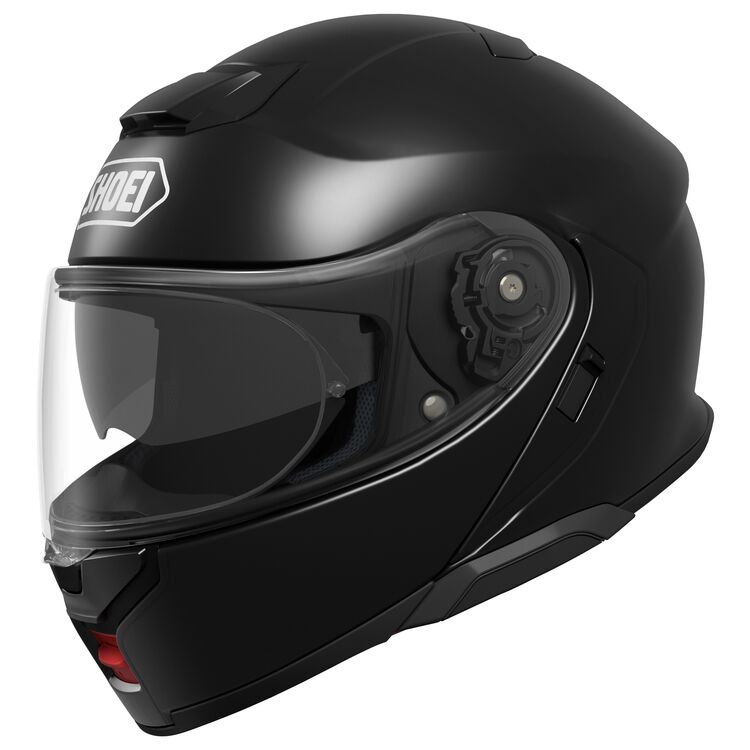
A premium modular helmet built for long-distance comfort and low noise, with a smooth flip-up chin bar, tightly-sealing visor and wide drop down sun shade. Fits the SRL3 Sena comms system seamlessly.
- Comfortable wear all day
- Quiet, aerodynamic performance
- Flip-front convenience at stops
- Integrated comms & sun visor
- Faceshield lock is sometimes stiff
- Heavier weight may fatigue neck on long rides
Arai Contour-X (~$730): The next step up from the Regent-X in Arai’s full-face lineup. Updated vent switches, a more modern interior, and VAS-V shield compatibility with the Pro Shade external sun shield. Good for: daily riders who want Arai quality with a few more features than the Regent-X delivers.
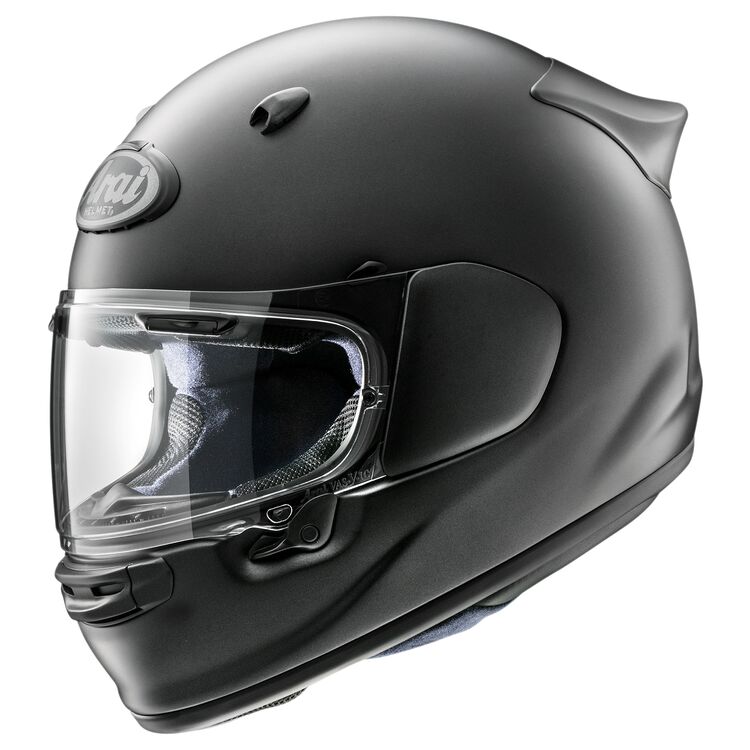
Combining race-derived aerodynamics with touring comfort, the Arai Contour-X delivers strong protection, excellent airflow, and a plush liner that keeps you cool and comfortable on both daily rides and long hauls.
- Unmatched comfort thanks to ultra-soft liner & roomy 5 mm flare at base
- Great ventilation: 7 intakes + 6 exhausts pull cool air & reduce heat build-up
- Aerodynamic shell & spoiler reduce buffeting at highway speeds
- Integrated speaker pockets & wire channel make comms setup clean & easy
- Shield locking mechanism is a bit finicky and takes getting used to
- Raised logo vent can be hard to operate when wearing thick gloves
HJC RPHA 91 (~$500): A modular alternative at a price below both the C5 and the Neotec 3. It’s not as quiet or refined, but it’s a solid touring modular with a drop-down sun visor and good comms integration. Browse our best modular helmets guide for more options at this price. Good for: riders who want modular convenience without the premium price.
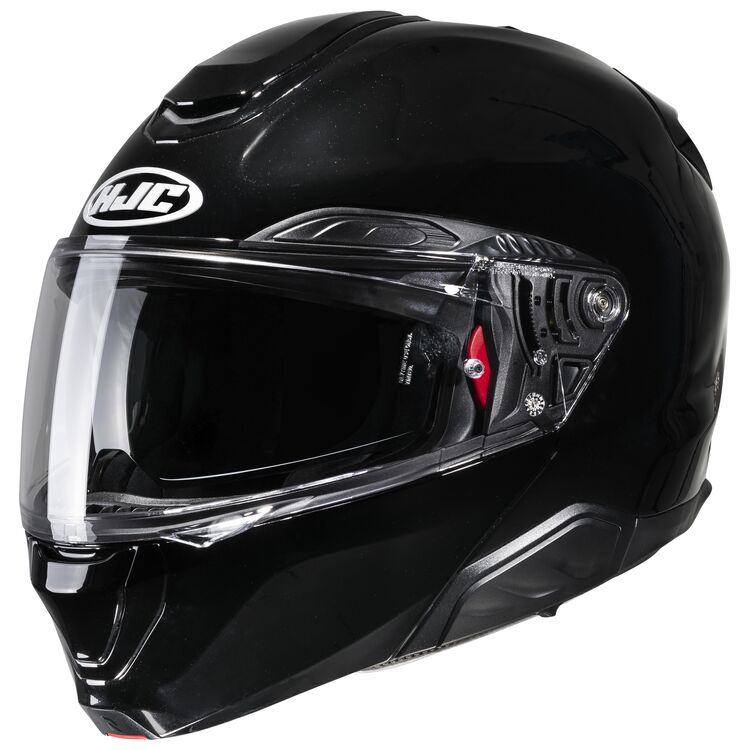
A premium DOT-rated modular helmet combining composite‑shell strength with a smooth flip‑front, quiet ride and adjustable sun visor for long-distance touring comfort.
- Composite PIM Evo shell offers superior impact protection
- Adjustable drop-down sun visor adapts to changing light
- Very quiet for a modular helmet—~96 dB at highway speeds
- Comfortable, plush liner with interchangeable cheek pads
- Slightly heavy compared to lighter modulars
- Chin bar lock can be finicky to operate with gloves
FAQ
Is the Schuberth C5 worth the price over the Regent-X?
For touring riders who actually use the modular chin bar, integrated comms, and sun visor, yes. You’re paying for features that earn their keep on every ride. If you rarely flip your chin bar, don’t plan to install the SC2 system, and ride in conditions where a sun visor isn’t useful, you’re paying a premium for tech that sits idle. The Regent-X is the smarter buy in that case.
Is the Arai Regent-X safe without ECE 22.06?
Yes. The Regent-X carries Snell M2020 and DOT certifications. Snell testing is voluntary and widely considered more rigorous than DOT for linear impact testing, and Arai’s in-house testing exceeds Snell’s standards. ECE 22.06 and Snell test slightly different things, but both produce helmets with excellent crash protection.
Can I fit a Cardo or Sena on the Arai Regent-X?
Yes. The Regent-X has speaker pockets and enough internal space for external units like a Cardo Packtalk or Sena 50S. You mount the main unit on the outside of the helmet with a clamp or adhesive mount. The setup works well; it just doesn’t disappear into the helmet the way the SC2 does in the C5. For more on what fits where, see our Bluetooth modular helmets guide.

How heavy is the Schuberth C5 compared to the Arai Regent-X?
About 0.4 lbs (180 g) heavier. The C5 weighs ~3.8 lbs (1,647 g) in size M solid colors versus the Regent-X’s ~3.41 lbs (1,547 g). The extra weight comes from the flip-up chin bar mechanism, the internal sun visor housing, and the pre-installed comms hardware.
Does the Schuberth C5 really have a visor that drops on its own at speed?
Yes, it’s a real and well-documented issue. Our reviewer experienced it at speeds as low as 52 mph on one bike and only above 65 mph on another, so it depends on your motorcycle and aerodynamics. There’s a fix documented in this five-month C5 review using a couple of $1.70 rubber O-rings that resolves the problem. Schuberth has not officially addressed it.
Which is better for hot weather, the C5 or the Regent-X?
It depends on what kind of hot-weather riding you do. At sustained highway speeds, the Regent-X moves more air thanks to its 11 vent openings and Free Flow System. At low speeds and stops (city traffic, stoplights, slow canyon riding), the C5 wins because you can flip the chin bar up for maximum airflow. Both are adequate in heat; they just solve the problem differently.
Best for long-day touring comfort
|
Best for lightweight daily riding
|
The quietest touring helmet money can buy, kitted out with all the features you expect for those long days in the saddle. | Entry‑level Arai helmet offering premium build quality, plush comfort, and high‑end safety certifications in a surprisingly easy‑to‑put‑on package. |
|
|
|
|
The quietest touring helmet money can buy, kitted out with all the features you expect for those long days in the saddle.
- Modular flip up chin bar
- Drop down sun visor
- Space for integrated comms unit
- Many colorway options
- DOT certified, with ECE in EU
- Heavier than most full-face helmets
- Visor mechanism needed refinement early on
Entry‑level Arai helmet offering premium build quality, plush comfort, and high‑end safety certifications in a surprisingly easy‑to‑put‑on package.
- Exceptional comfort thanks to plush Facial Contour System
- Snell M2020 & DOT certified for elite crash protection
- Effortless donning with wider shell opening
- Wide eyeport with Pinlock‑ready Max Vision shield
- Vent controls can feel stiff when wearing gloves
- Heavier and noisier than ultra‑premium sport helmets