Helmet

Best Motorcycle Gear for Commuters: The Complete Kit That Actually Gets Worn
 Evan Rally
Updated: May 20, 2026
Published: March 14, 2026
left for contents
The gear you leave hanging in the closet can’t protect you.
After years of commuting daily on motorcycles across the US and Southeast Asia, I’ve learned a brutal truth: the best motorcycle gear in the world is useless if you don’t wear it. And most commuters don’t. They skip the jacket because it’s too hot. They leave the pants behind because they’re too stiff. They forget the gloves because they’re a hassle to pull on at every stop.
Here’s what nobody tells you about commuter gear: the most expensive, highest-rated track suit is the wrong choice for your daily ride to work. Commuting demands gear that disappears into your routine. It should take less than two minutes to suit up, feel comfortable at a red light in July, and not embarrass you at the office when you arrive.
Most gear roundups hand you a list of products and tell you to pick one. That’s not how it works when you’re gearing up every single morning. You need a system: a coordinated set of pieces that layer together, go on fast, and stay comfortable whether it’s 55 degrees at dawn or 95 by your afternoon ride home. That’s what I’m going to give you.
One more thing. If your budget only covers one piece of gear, buy the helmet. Put every available dollar into the best lid you can afford. Everything else can be phased in over time, but your skull doesn’t get a second chance. Once you have the helmet sorted, layer in gloves, jacket, pants, and boots as your budget allows.
Here’s the complete commuter kit I recommend:
Helmet

Handmade in Japan. DOT + Snell. Quiet, light, and built to last 30,000+ miles. My daily lid. Read our long term review here.
Jacket
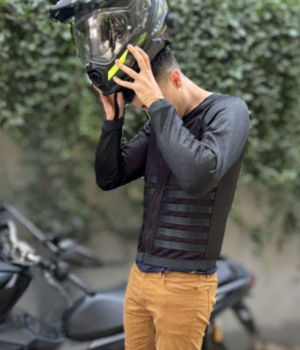
CE AAA armored underlayer. Wear it alone or under any jacket. Breathable in 100°F heat. Full review here.
Jeans
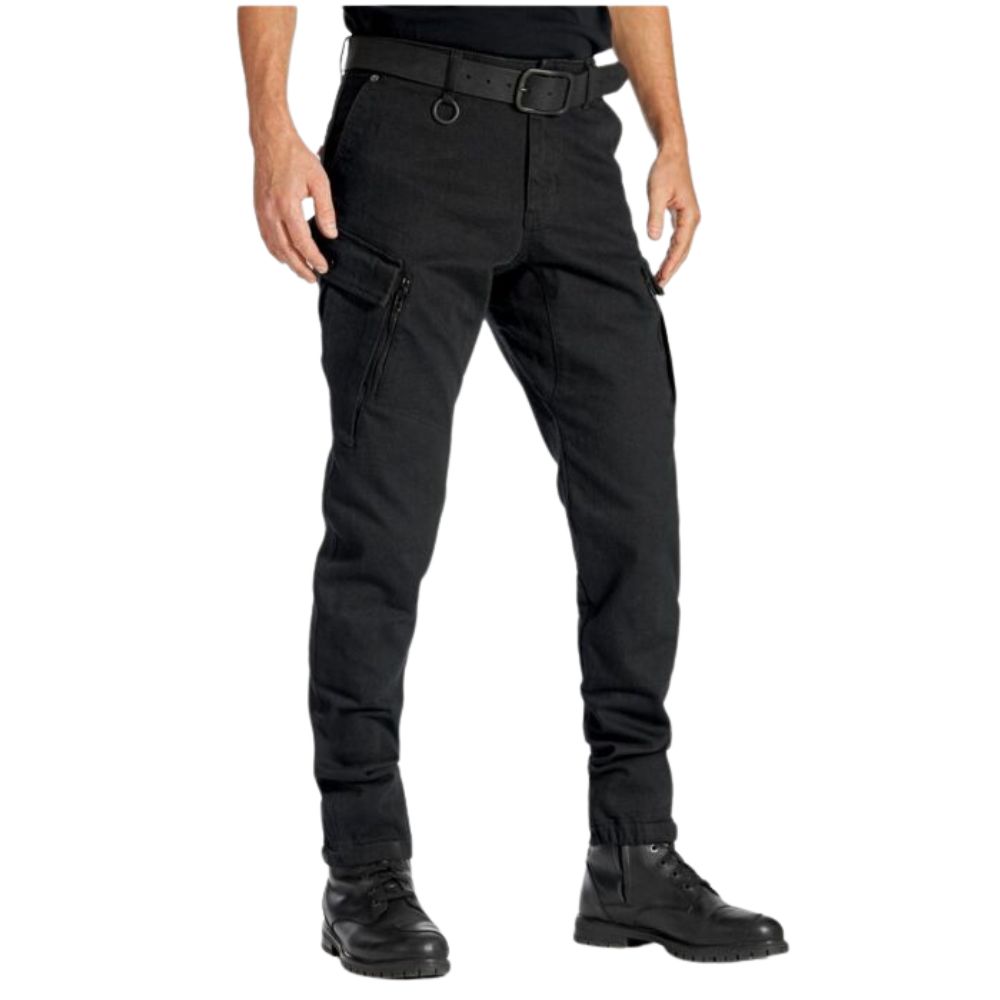
AAA-rated cargo riding jeans with vented Cordura denim, Coolmax comfort, and included D3O Ghost armor.
Leggings
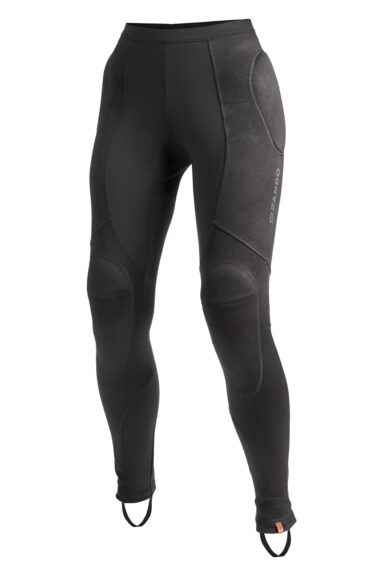
CE AAA underlayer pants. Pull on in 30 seconds, wear any pants on top.
Gloves
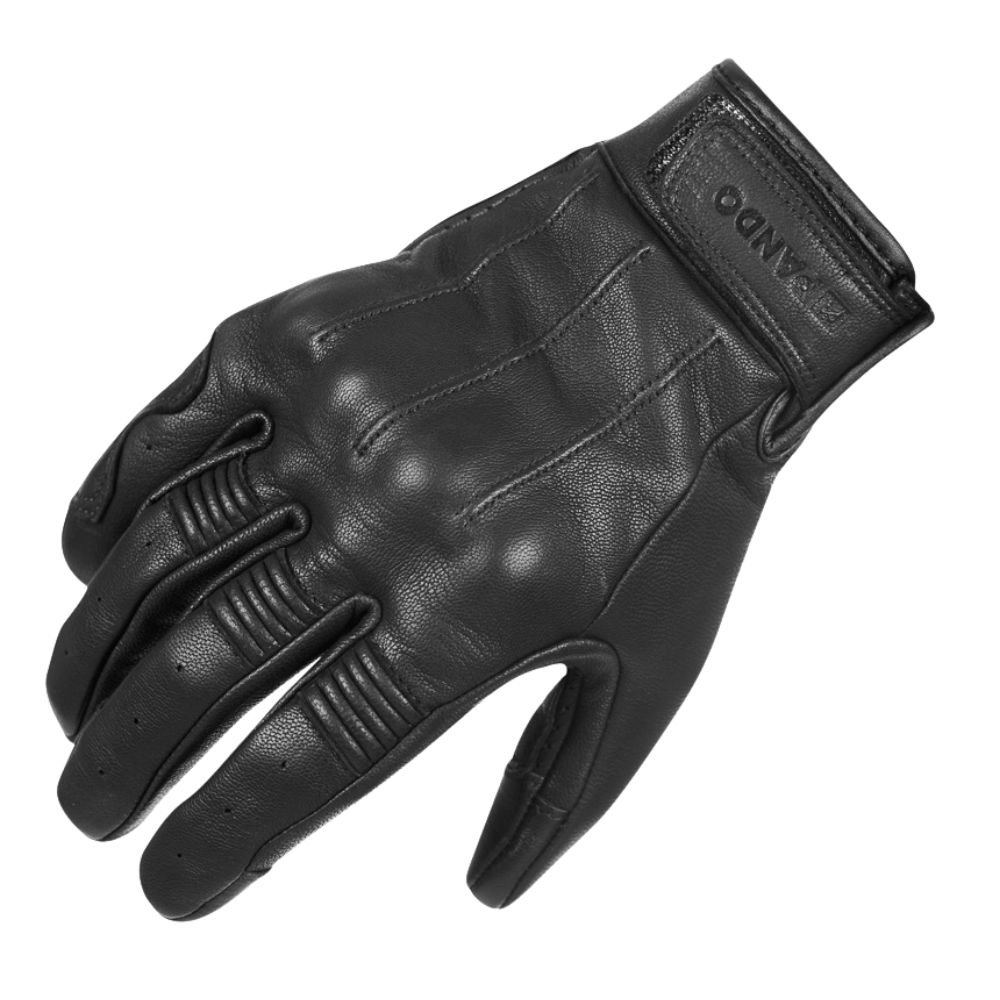
Supple leather, CE Level 1 armor, touchscreen tips. No break-in needed. My personal favorite, reviewed here.
Boots
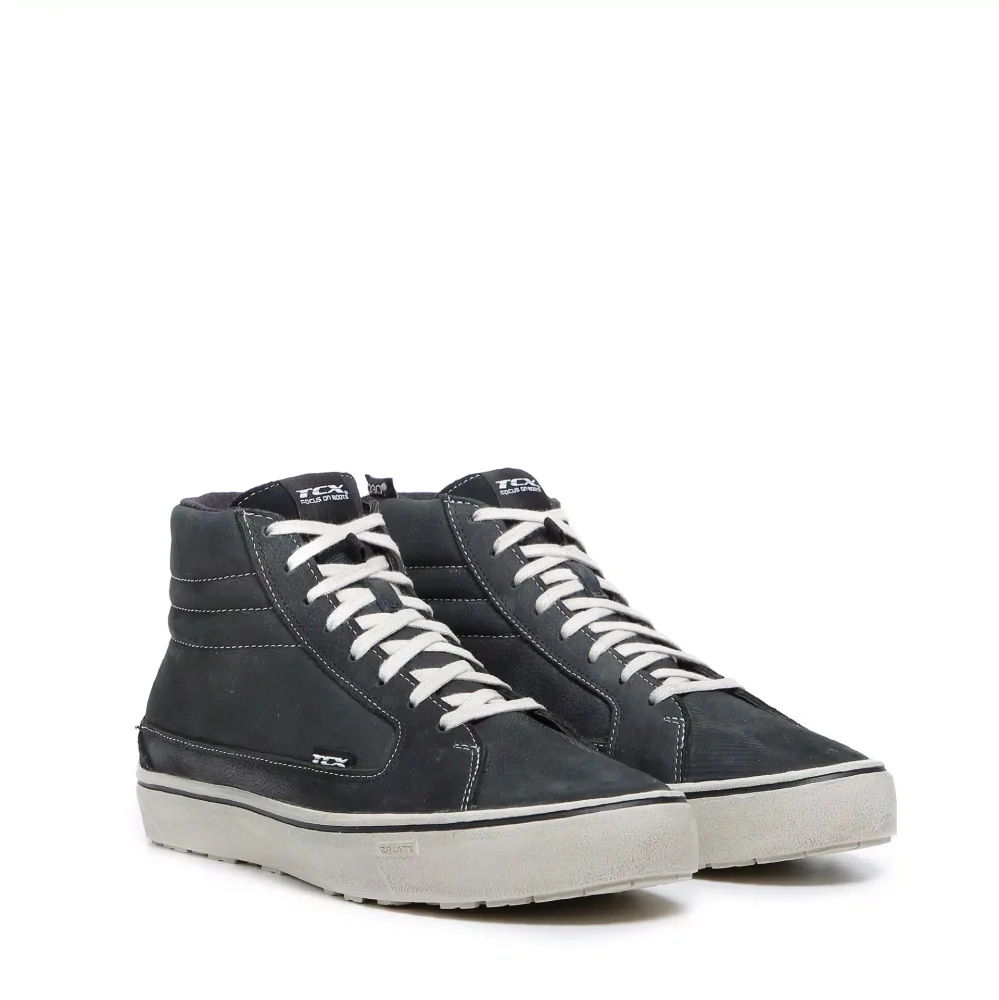
Looks like a sneaker, protects like a moto shoe. Waterproof, D3O ankle armor.
Which Gear for Which Commuter?
Your commute dictates your kit. A 10-minute city hop through surface streets has different demands than a 45-minute interstate slog. Here’s how I’d break it down:
Short city commutes (under 20 minutes, surface streets): Helmet and gloves are non-negotiable. A lightweight armored jacket like the Pando Moto Commando UH and a pair of riding shoes like the TCX Street 3 WP are your best friends. Protective leggings worn under your regular pants round it out without cramping your style.
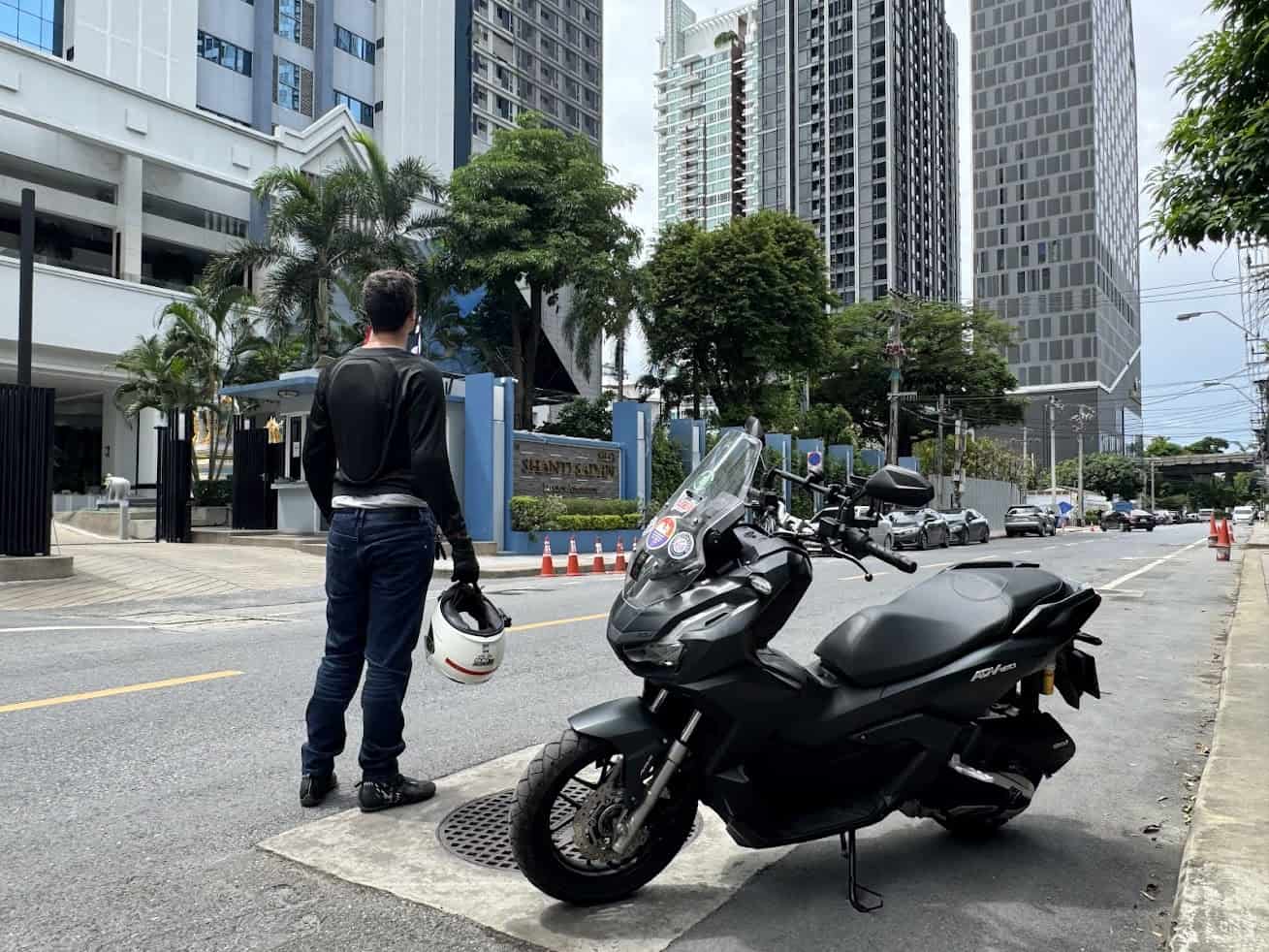
Highway commutes (20+ minutes, speeds above 45 mph): Full setup. Helmet, gloves, armored jacket, armored pants (riding jeans or leggings), and proper riding shoes or boots. At highway speed, every exposed inch of skin is at risk in a slide. No shortcuts here.
Mixed weather / year-round riders: You need layers that adapt. An armored underlayer system (like the Pando Moto Commando UH jacket + Skin UH leggings) lets you put whatever you want on top, from a fleece in winter to nothing but a t-shirt in summer. Waterproof shoes handle surprise rain without needing dedicated rain boots.
Helmet: Shoei RF-SR
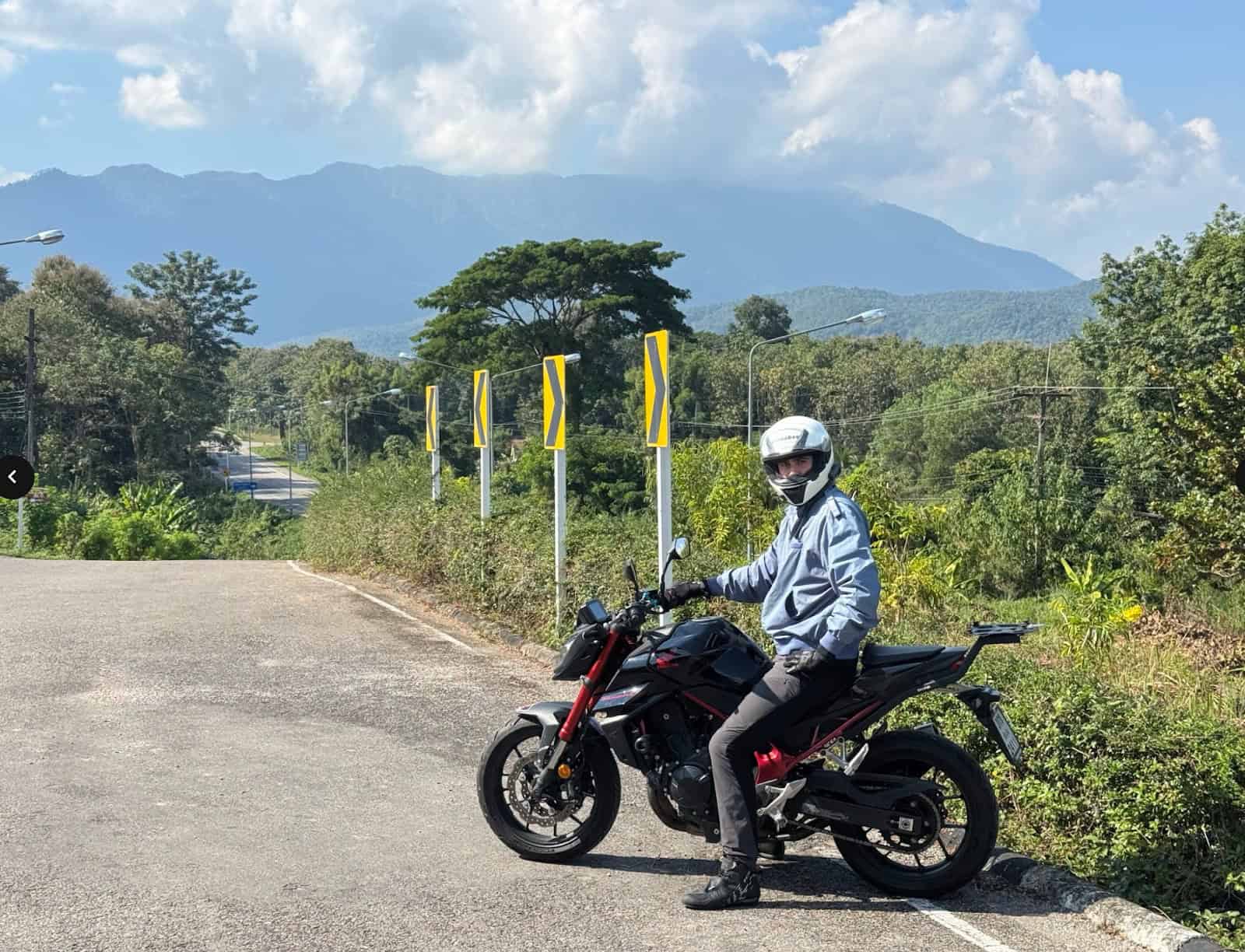
The Shoei RF-SR is the helmet I personally ride in, and I’ve put well over 30,000 miles in this lid. I keep coming back to it for one reason: it punches way above its price.
What You Get
At roughly $450, you’re getting a handmade-in-Japan helmet with both DOT and Snell certifications, four shell sizes, six EPS liner sizes, and a Pinlock-ready visor with one of the tightest seals I’ve tested. The CWR-1 shield uses a spring-loaded hinge design that pulls the visor against the eyeport with constant tension. Translation: almost zero wind intrusion, which keeps noise and buffeting low on the highway.
Why It Works for Commuting
The RF-SR nails a few things that higher-priced helmets fumble. The ventilation works well enough with vents open but doesn’t turn into a wind tunnel when you close them up on cold mornings. The liner pads are removable and washable, which matters when you’re sweating into the same helmet five days a week. And at 3.66 pounds, it’s light enough that your neck won’t complain after daily use.
The Trade-Off + Alternative
No internal sun visor, which is the one feature commuters might miss. If sun glare is a problem on your route, grab the photochromic CWR-1 shield (available separately) that auto-tints in sunlight. Or step up to the Shoei RF-1400 (~$680 on Revzilla) for Shoei’s latest aero, noise reduction, and an even lighter shell. The RF-1400 is the quietest street helmet on the market, and we have a full 4-year ownership review of it on our site.
Shoei RF-SR Helmet (Snell approved)
Check Price on Revzilla
Check Price on Amazon
$499.99
Evan rode in this helmet across America in 2022 and has worn it the tropical climate of Thailand as well. It's the ideal all-around street and touring helmet for a fair price: master of none, but great at everything. Read our long term review here.
Pros:
- Sturdy build quality from the padding to the visor
- Composite AIM shell (not plastic / polycarbonate)
- Comfortable and snug liner
- Durable (I've battered the poor thing)
- Affordable 💵
We may earn commissions if you make a purchase.
Jacket: Pando Moto Commando UH
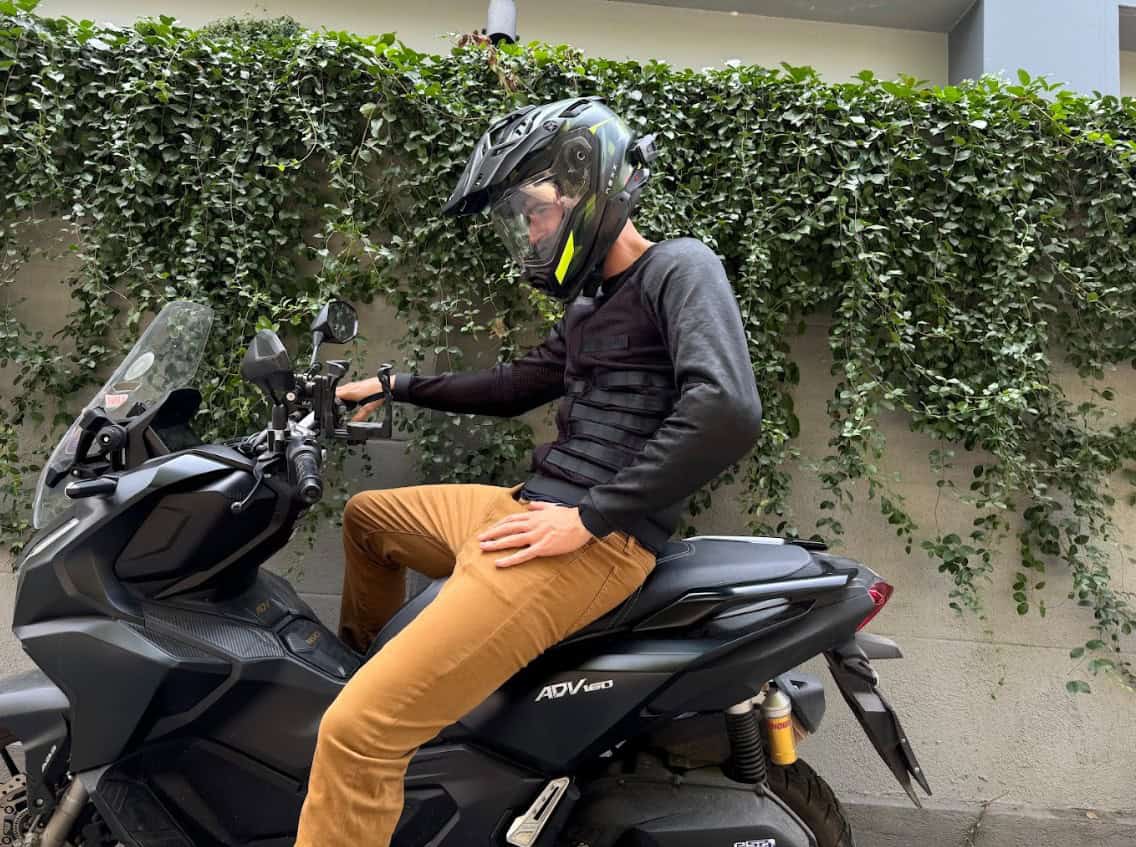
I ride in 100°F+ heat in Thailand in this thing, stopping at intersections, weaving through traffic, and I’m as comfortable as I am in a t-shirt. That’s not exaggeration.
Protection
The Commando UH is CE AAA-rated, tested to withstand a slide at highway speeds up to 75 mph on asphalt. The Balistex UHMWPE fabric was originally developed for police and military applications and is 15 times stronger than steel by weight. Pando Moto combines this with 3D Cordura mesh panels across the chest and inner arms for serious airflow. The included D3O LP2 CE Level 2 armor in the shoulders and elbows is thin and flexible enough that it won’t make you look like a linebacker under your shirt.
Why It Works for Commuting
Wear it alone over a t-shirt in summer. Throw a hoodie or a casual jacket on top when it cools down. Layer a waterproof shell over it in the rain. Your style is entirely up to you, because the Commando disappears under whatever you wear. The MOLLE webbing across the front lets you clip on a phone pouch, tool kit, or small bag for quick access to a wallet or parking pass.
The Trade-Off
The back protector pocket is empty out of the box. Budget an extra $69 for the Quatroflex CE Level 2 back protector. It’s thin enough that you won’t feel it while riding.
Silver Lining
The black version absorbs heat in direct sunlight, which sounds bad for summer. But it also means the Balistex fabric is conducting that heat away from your body faster than traditional textiles would. If you’re still concerned, the grey version reflects more light. Either way, the mesh panels keep enough air moving that standing at a traffic light in the heat is tolerable.
Alternative Option
If you prefer something that looks more like a traditional jacket and less like an underlayer, the Pando Moto Air Tate (~$241 on Revzilla closeout) has a classic urban aesthetic with clean lines and a removable waterproof windbreaker liner. It’s rated one step lower at CE AA, but it’s a complete jacket you can wear without layering anything on top. We reviewed it in our Pando Moto Air Tate review.
Our Review
We tested this jacket extensively across city commutes and overnight rides. Read the full Pando Moto Commando UH review on our site. We also compared it head-to-head with the Bowtex Elite in our Pando Moto vs Bowtex comparison.
Pando Moto Commando UH AAA Jacket
Check Price on Revzilla
CE AAA jacket built to survive highway slides. Can be worn alone over a simple t-shirt or base-layer, or under another casual jacket to assume any style. Full review here.
Pros:
- Material 15x stronger than steel
- Wear over a t-shirt, under a jacket
- Excellent airflow
- CE Level 2 armor at elbows, shoulders
Cons:
- Back protector sold separately
We may earn commissions if you make a purchase.
Free Guide
Not Sure What Size to Order? Get Our Gear Fit Guide.
Sizing charts for helmets, jackets, gloves & boots — with brand-specific fit notes and pro tips so your gear fits right the first time.
- Helmet sizing by brand
- Jacket, glove & boot charts
- Head shape guide
- Between-sizes tips
No spam, ever. Unsubscribe anytime.
Riding Jeans: Pando Moto Mark AAA
Most commuter riding jeans force you to choose between protection and practicality. The Pando Moto Mark AAA jeans lean into both: serious CE AAA protection, included armor, and enough airflow and pocket space to make daily riding easier.
They are not as invisible as slim office denim, but that is the point. These are commuter-friendly cargo riding jeans for riders who want more utility, more venting, and the same top-tier AAA protection level.
Protection
The Mark AAA jeans use Cordura stretch denim with Coolmax technology, giving them a stronger protective base than regular denim while still keeping enough stretch for everyday movement. The entire garment is CE AAA rated, which is the highest abrasion-resistance class under EN 17092.
Protection also comes standard where you need it most. Pando includes D3O Ghost CE Level 1 armor at the knees and hips, so you are not buying the jeans and then immediately shopping for missing pads. The armor stays low-profile enough for commuting, but the overall look is more technical than a plain slim jean.

Why It Works for Commuting
The big commuter win is practicality. The cargo pockets give you useful space for small daily items, while the thigh vents help when traffic slows down and the ride turns hot. Coolmax fabric also helps manage heat better than traditional heavy riding denim.
For riders who commute in casual offices, creative workplaces, or weekend city traffic, the Mark AAA makes sense. It gives you real protection, easy storage, and better airflow without needing to change into separate riding pants when you get to your destination.
The Trade-Off + Silver Lining
The cargo styling is less subtle than the old-school slim jean look. If your office dress code leans formal, these may look too moto-inspired for all-day wear.
The silver lining: that extra utility is exactly why they work for commuting. You get vents, pockets, stretch, and included knee and hip armor in one AAA-rated package. If your commute is hot, practical, or gear-heavy, the Mark AAA is easier to justify than a cleaner but less functional jean.
Pando Moto Mark AAA Jeans
Check Price on Revzilla
The Pando Moto Mark AAA Jeans offer CE AAA-rated protection in a slim, cargo-style fit. Built with stretch Cordura and Coolmax for comfort on and off the bike.
Pros:
- CE AAA-rated abrasion protection
- Comfortable stretch fabric
- Functional cargo pockets
Cons:
- Warm in hot weather
- Color may fade over time
- Higher price point
We may earn commissions if you make a purchase.
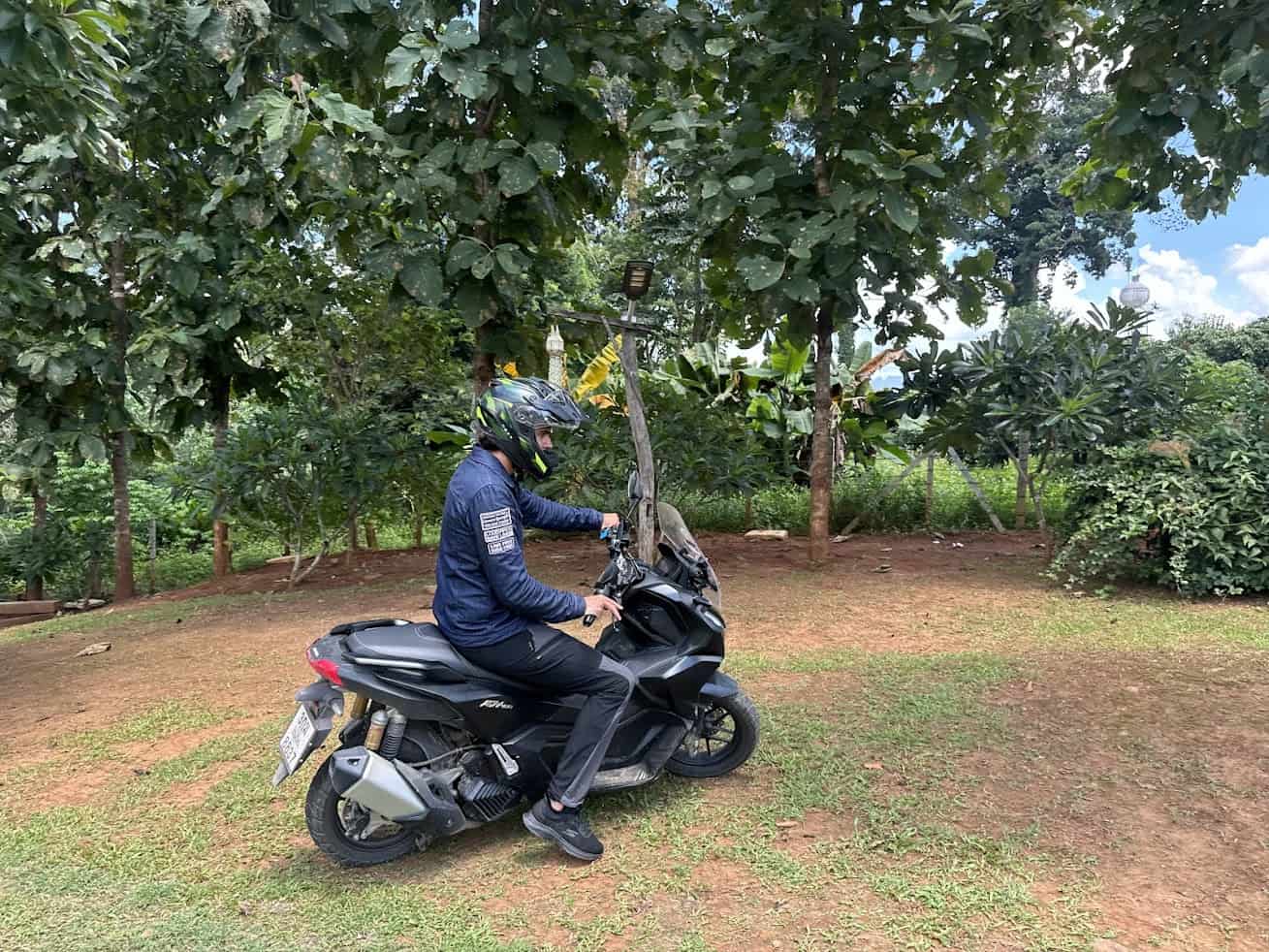
Protective Leggings: Pando Moto Skin UH AAA
This is the piece of gear that changed my entire approach to commuting. The Pando Moto Skin UH leggings are CE AAA-rated protective underlayers that you wear under whatever pants you already own. Your favorite jeans, chinos, cargo pants, even pajama bottoms. I don’t care and neither does the armor.
Protection
The Balistex fabric is sheer enough that you can see light through the weave, yet it’s tested to survive a slide at 75 mph. The SAS-TEC TripleFlex Level 2 armor sits over the knees and hips and stays in place thanks to the form-fitting stretch of the fabric.
Why It Works for Commuting
Instead of choosing between your work pants and riding pants, you just pull the leggings on first. Total time added to your morning routine: about 30 seconds. They wick sweat like athletic wear and dry overnight even in tropical humidity. I’ve worn these through multi-day trips in Southeast Asian rainy season and they’ve held up without fading, stretching, or degrading.
The Trade-Off
Abrasion coverage on the inner legs is thinner than on the outer legs and knees, because the CE AAA testing standard doesn’t hold that area to the same requirement. For most commuting scenarios, this is a non-issue.
Alternative Option
If you want full Dyneema coverage on every panel, the Bowtex Elite leggings (~$370–$400) use the same fabric throughout. They’re thicker and less breathable, but offer the most complete abrasion protection in an underlayer. We reviewed them in our Bowtex Elite leggings review.
Our Review
I’ve been wearing these for a long time. Full review: Pando Moto Skin UH AAA Leggings Review.
Pando Moto Skin UH 03 Armored Leggings
Check Price on Revzilla
The Pando Moto Skin UH 03 are armored base layer leggings made with abrasion-resistant fabric and CE Level 1 armor for added protection and comfort.
Pros:
- High abrasion resistance with Balistex fabric
- Lightweight and breathable for comfort
- Includes adjustable CE Level 1 knee and hip armor
Cons:
- Limited color options
- May feel snug for some body types
- Zippers at ankles can be uncomfortable with certain footwear
We may earn commissions if you make a purchase.
Gloves: Pando Moto Ivy
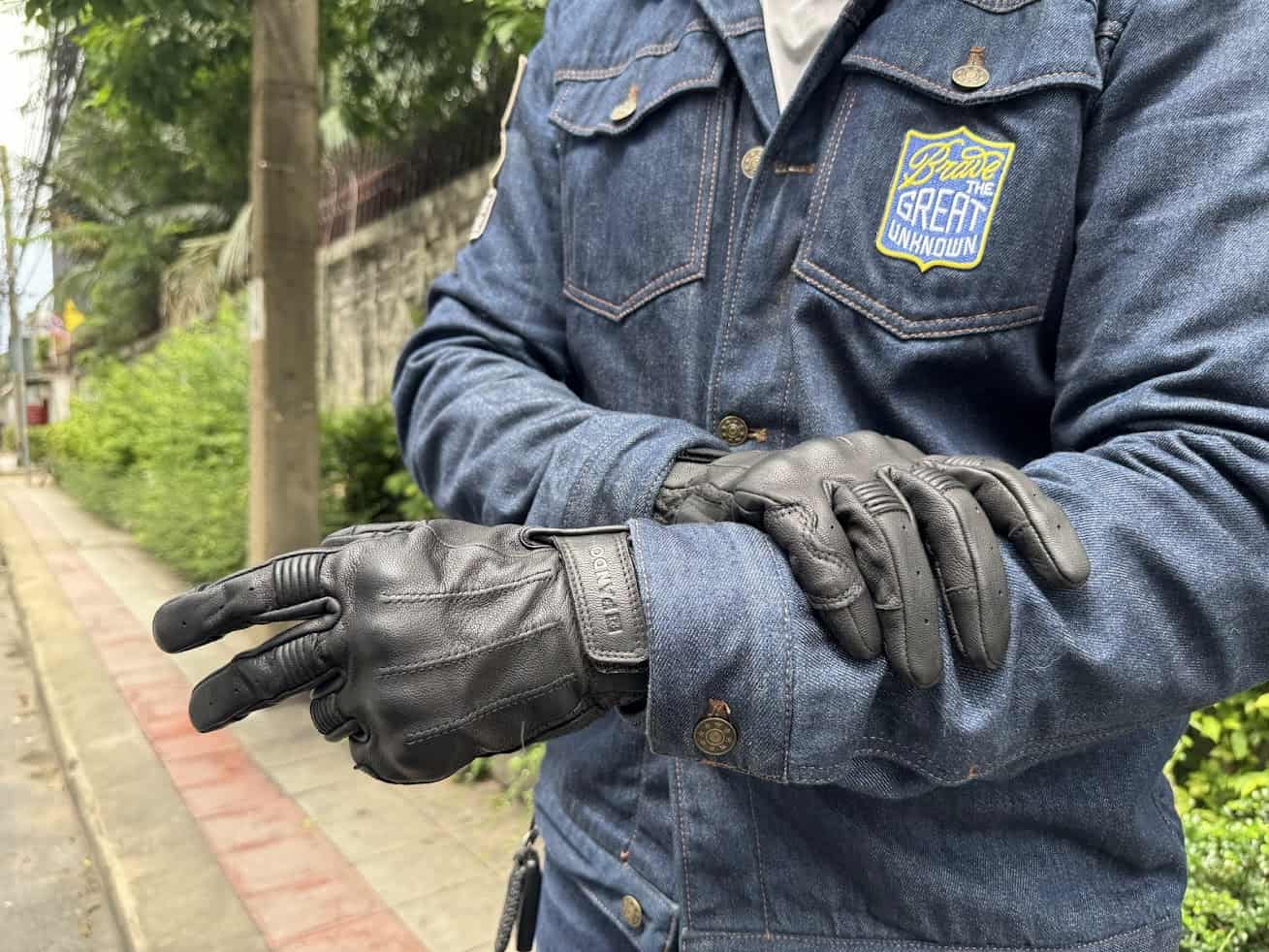
I wear these every day in Bangkok and never get sweaty hands. For a commuter glove, that’s the whole review right there.
What You Get
The Ivy is a short-cuff leather glove with CE Level 1 knuckle armor, reinforced palms, and touchscreen-compatible fingertips. The leather is supple from day one, so there’s minimal break-in. They slip on and off fast, which matters when you’re making multiple stops throughout your commute.
Why It Works for Commuting
The touchscreen tips actually work. I can check my phone for navigation, respond to quick messages, and use parking apps without removing the gloves. That might sound small until you’ve fumbled bare-handed with a phone at a gas station on a cold morning. Pando Moto also backs these with a Lifetime Crash Warranty. Crash in their gear, send them the photos, and they replace it. On a sub-$100 glove, that kind of support is rare.
The Trade-Off
No hard palm slider. A slider helps your hand glide across pavement in a crash rather than catching and potentially twisting your wrist. Pando’s previous Onyx gloves had this feature. For commuting at city speeds, the Ivy’s protection is appropriate. For regular highway riding, you might want more.
Alternative Option
The Pando Moto Onyx 02 adds thicker leather, a palm slider, and more robust construction. The trade-off is a break-in period of a few rides before the leather molds to your hands. We reviewed both: Ivy review | Onyx review.
Pando Moto Ivy Gloves
Check Price on Pando Moto
Super comfortable leather, no pinch points, CE Level 1 knuckle armor, reinforced palms, and touchscreen fingertips works on phone screens. I wear these daily in Bangkok and never get sweaty hands. My personal favorite, reviewed here.
Pros:
- Touchscreen fingertips for easy navigation
- CE Level 1 knuckle protection under leather
- Abrasion-resistant palm reinforcements
Cons:
- Perforation is only on the palms, not the tops
- No hard sliders on palm—softer padding only
We may earn commissions if you make a purchase.
Boots: TCX Street 3 WP
The TCX Street 3 WP looks like a high-top sneaker. It rides like a motorcycle shoe. And it walks like, well, a sneaker. That’s the entire pitch, and it delivers.
If you want to compare more pavement-focused options before choosing, our best street riding boots guide covers sneaker-style shoes, waterproof commuters, and sportier street boots.
Protection
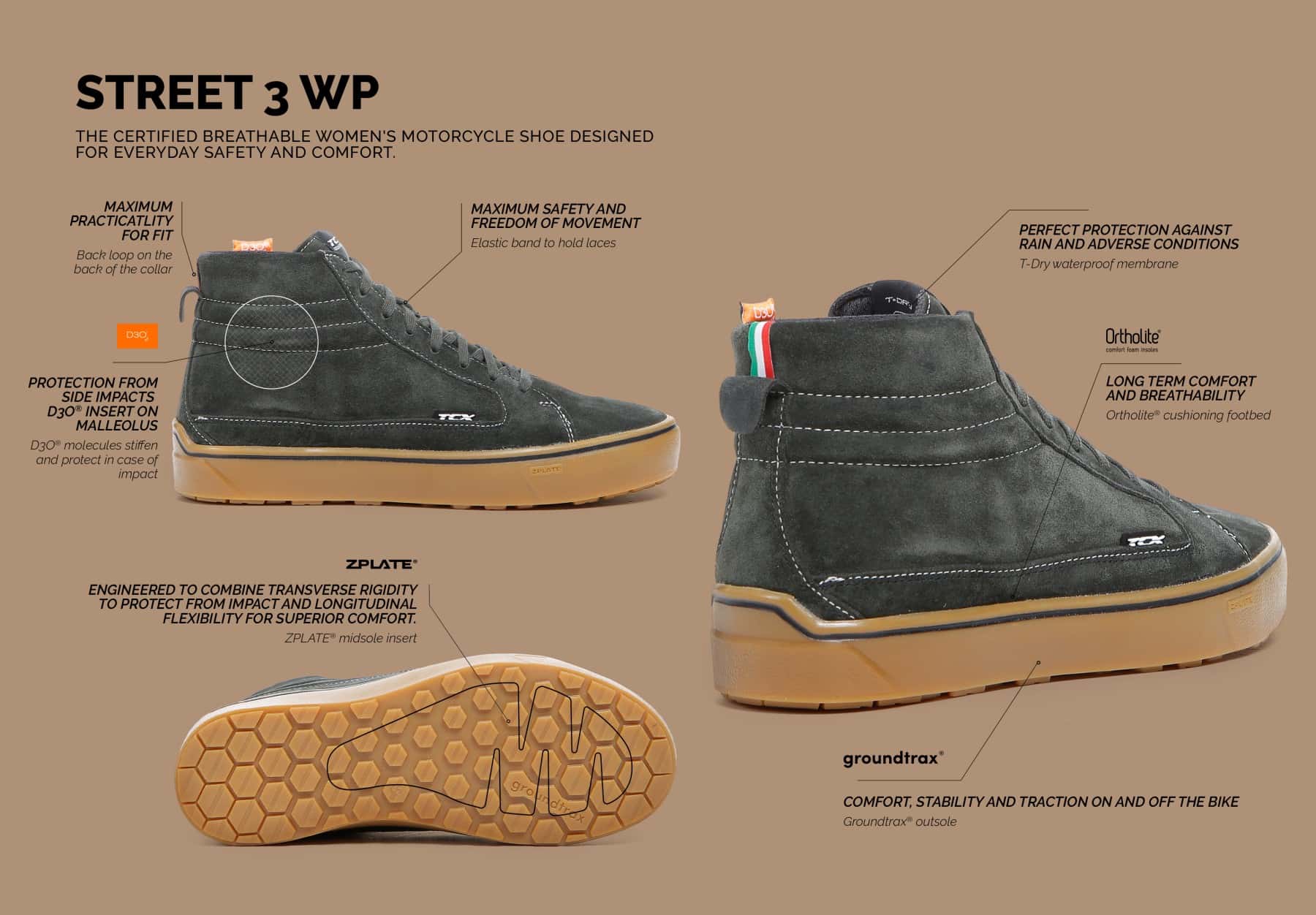
Under that casual leather exterior, you get D3O ankle armor, a reinforced toe box and heel counter, and TCX’s ZPLATE crush-resistant midsole. The ZPLATE balances protective rigidity with walking comfort, so your foot doesn’t feel like it’s strapped to a plank.
Why It Works for Commuting
The Ortholite footbed keeps your feet comfortable through a full workday. The T-Dry waterproof membrane means a surprise rain shower won’t ruin your morning. Walk into the office, walk through the grocery store, meet friends for dinner. Nobody’s going to look at your feet and think “motorcycle gear.” Riders have worn TCX Street shoes on multi-state touring trips. They’re that comfortable.
The Trade-Off + Silver Lining
Multiple reviewers report these run slightly wide. If you have narrow feet, you might want to try them on or size down half a step. Silver lining: the wide footbed is actually a bonus for riders with broader feet who’ve struggled with tight-fitting moto boots their whole riding career.
Alternative Option
If you’re in a hot climate and don’t need waterproofing, the TCX Street 3 Air (~$179 on Revzilla) swaps the waterproof membrane for a breathable mesh upper. Same protection, more airflow, lower price. We covered these and other commuter-friendly picks in our most comfortable motorcycle boots guide.
TCX Street 3 WP Shoes
Check Price on Revzilla
Check Price on Amazon
The TCX Street 3 WP Shoes combine everyday sneaker style with reliable motorcycle protection. Made from full-grain leather with a T-Dry waterproof membrane, they’re built for comfort, safety, and all-weather riding.
Pros:
- Stylish and casual look
- Waterproof and breathable
- D3O ankle protection and reinforced impact zones
- Comfortable for walking and riding
Cons:
- Limited color choices
- Can get warm in hot weather
- Slightly pricey compared to basic options
We may earn commissions if you make a purchase.
Quick Comparison
| Product | Price | CE Rating | Weight | Best For |
| Shoei RF-SR Helmet | ~$450 | DOT+Snell | 3.66 lbs | Daily helmet, quiet & light |
| Commando UH Jacket | ~$551 | AAA | Light | Armored underlayer jacket |
| Mark AAA Jeans | ~$349 | AAA | Med | Vented cargo jeans, commuter utility |
| Skin UH Leggings | ~$330 | AAA | Light | Under any pants, max airflow |
| Ivy Gloves | ~$95 | Level 1 | Light | City gloves, touchscreen |
| TCX Street 3 WP Boots | ~$95 | CE cert | Med | Sneaker-style, waterproof |
Commuter Gear Buying Guide
Start With the Helmet
If you’re building your kit from scratch, put your money into the helmet first. A $400–$500 helmet from Shoei, Arai, or AGV will last you five to seven years and protect the one thing you can’t replace. Cheap helmets cut corners on fit, noise, ventilation, and liner quality, and all of those things make you less likely to wear it every day.
Comfort Over Specs
A CE AAA-rated jacket collecting dust in your closet protects you less than a CE A-rated shirt you actually wear. Buy gear that fits your lifestyle. If you hate bulky jackets, get an underlayer. If you won’t wear riding jeans, get protective leggings under your regular pants. The best gear is the gear you actually put on every morning.
Think in Layers
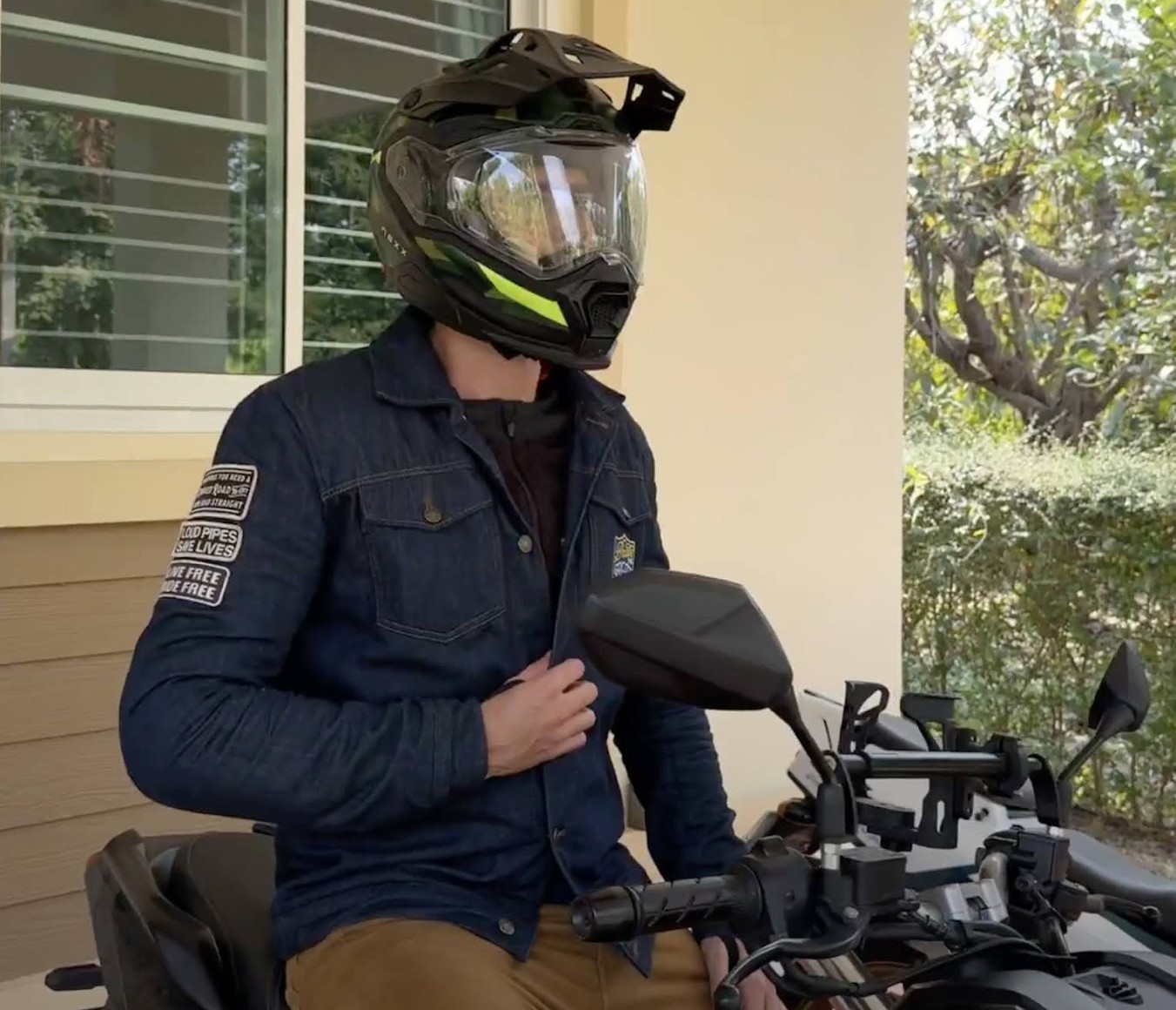
The underlayer approach (Commando UH jacket + Skin UH leggings) is the most versatile system I’ve found for commuting. It separates your protection layer from your style layer. Wear a dress shirt on top in winter, a t-shirt in summer, a rain shell when it pours. Your protection stays consistent regardless of season or outfit.
If you’d rather get that casual style and protection in one piece, our best armored motorcycle flannels guide covers shirt-style riding layers that look normal off the bike but still include abrasion resistance and armor pockets. For offices where a conventional jacket feels too bulky, protective motorcycle riding shirts and hoodies provide a more casual outer layer.
Budget Priorities
If the full kit above is outside your budget, here’s how I’d prioritize: helmet first, gloves second (your hands go down first in a fall), jacket third, pants fourth, boots fifth. A good pair of leather work boots with ankle support is better than sneakers, even without CE certification, while you save for proper riding shoes.
Waterproofing
Don’t buy dedicated rain gear if you can avoid it. Choose individual pieces with waterproofing built in (like the TCX Street 3 WP boots) or carry a lightweight packable rain shell. For most commuters, getting caught in the rain once a week doesn’t justify owning a full rain suit that you have to store and carry.
Fit Matters More Than Brand
A $200 jacket that fits you perfectly will outperform a $600 jacket that’s too loose or too tight. Loose gear shifts in a crash, and armor that’s not positioned over your joints can’t protect them. Order from retailers with good return policies (Revzilla’s is excellent), and don’t settle for “close enough.” The right fit keeps armor where it belongs and keeps you comfortable enough to wear it daily.
The Bottom Line
Commuting on a motorcycle is one of the best decisions I’ve made. It turned a boring drive into something I look forward to. But it only stays fun if you protect yourself without making the whole process a chore.
The gear I’ve recommended here is the gear I actually wear, day after day, in conditions that range from scorching tropical heat to cold morning highway blasts. It’s not the cheapest, and it’s not the most aggressive race-spec stuff out there. It’s the gear that gets worn. And that’s what counts.
For more of my personal picks, check out my full recommended gear page.