Best Value

The Best Motorcycle Gear for Beginners: What to Buy First (and Why It Matters)
 Evan Rally
Updated: May 21, 2026
Published: March 20, 2026
left for contents
Your gear will save your skin before your skills do.
That’s not a scare tactic. It’s just math. New riders drop bikes. Experienced riders occasionally drop bikes too. The difference between walking away with a bruised ego and walking away with a skin graft comes down to what you’re wearing.
Here are a few things most beginners get wrong about motorcycle gear:
You don’t need the most expensive gear to be safe. A $260 HJC helmet will protect your head just as well as a $900 Arai in a single-impact crash. What the premium helmet buys you is comfort, noise reduction, and longevity. Protection at this level starts with proper fit and a credible safety certification, not a big price tag.
Buying a “starter” helmet you plan to replace is a waste of money. Buy one good helmet instead of two cheap ones. You’ll spend less total, and you’ll be more comfortable from day one. The same goes for jackets and gloves. If you’re still choosing your first lid, our best beginner motorcycle helmet guide breaks down safe starter helmets by fit, budget, protection, and riding style.
The gear you leave in the closet can’t protect you. A $1,000 leather jacket you never wear because it’s too hot or too stiff is worth zero dollars in a crash. The best beginner gear is gear you’ll actually put on every single ride, even when it’s 95 degrees out or you’re just running to the store.
I’ve spent years testing and reviewing motorcycle gear, and I’ve seen too many new riders either overspend on gear they don’t need or underspend on gear that matters. This guide is built to help you avoid both traps. By the end, you’ll know exactly what to buy for your type of riding and your budget, with zero guesswork.
Our Picks at a Glance
Best Value
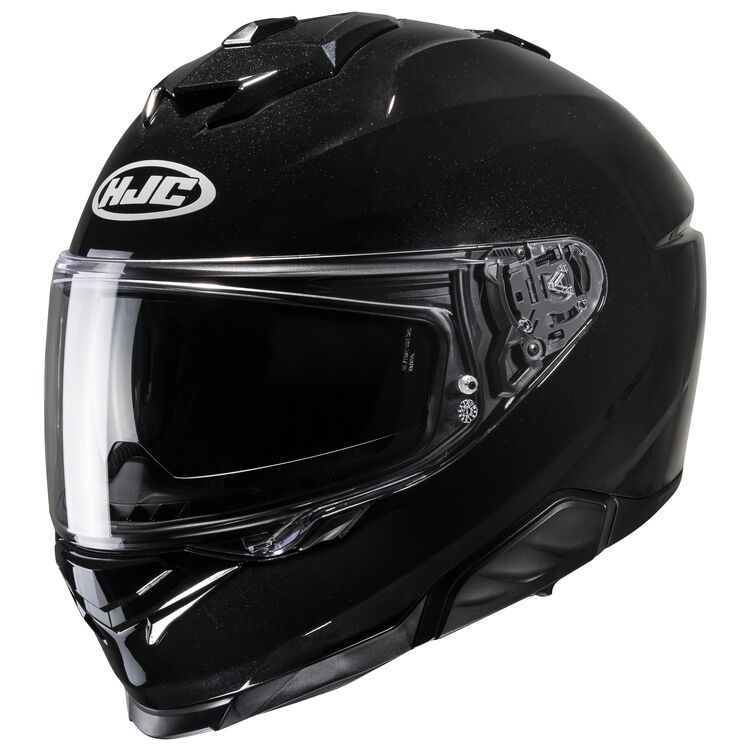
A lightweight, well-ventilated touring helmet with strong safety certification and all-day comfort. The HJC i71 punches above its class as a versatile, do-it-all daily rider.
- Excellent ventilation keeps you cool in heat
- Lightweight feel reduces fatigue on long rides
- Drop-down sun visor adds everyday convenience
- Comfortable liner fits well for daily use
- Wind noise noticeable at highway speeds
- Limited compatibility with non-HJC comms
Best for Summer
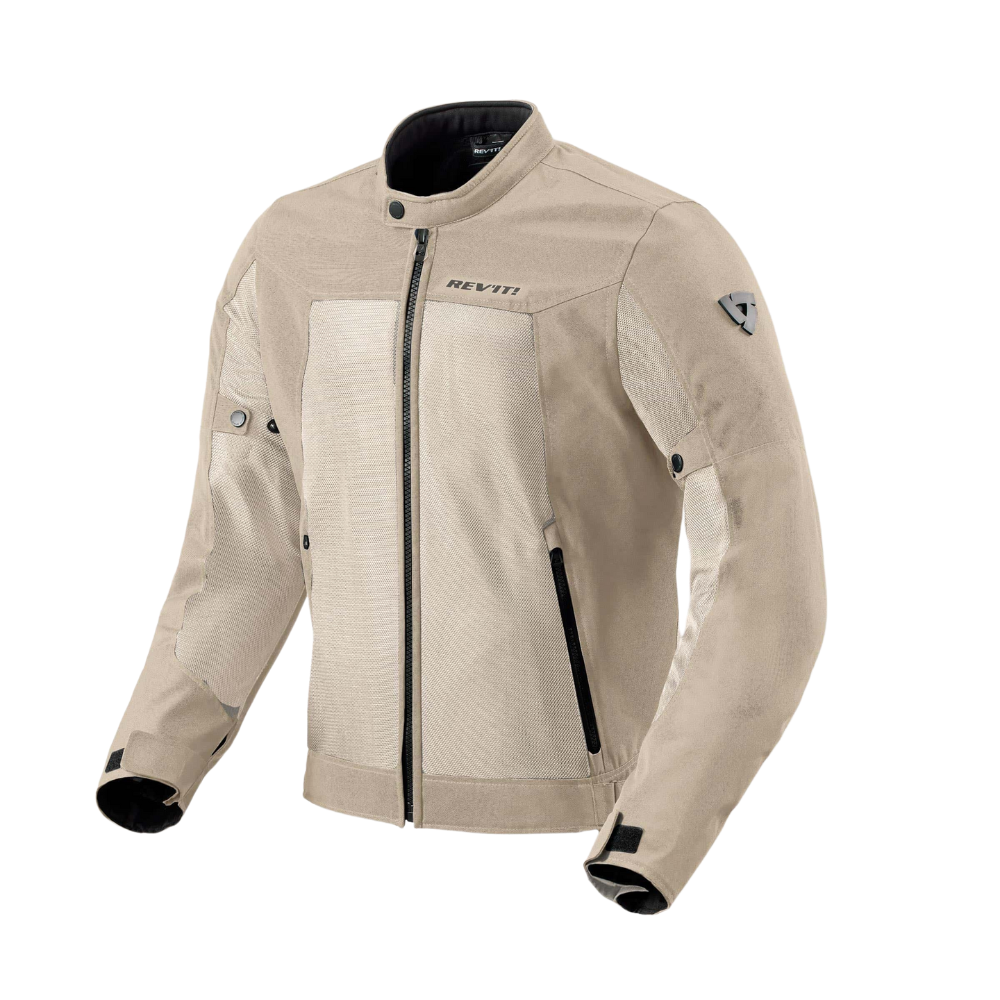
A lightweight, summer-ready motorcycle jacket with large mesh panels for airflow, CE Level 1 armor, and a clean, urban style—ideal for hot weather riding.
- Excellent airflow for hot weather
- Lightweight and comfortable
- CE Level 1 shoulder and elbow armor included
- No waterproof or thermal liner
- Back protector not included
- Limited storage/pocket space
Best All-Around
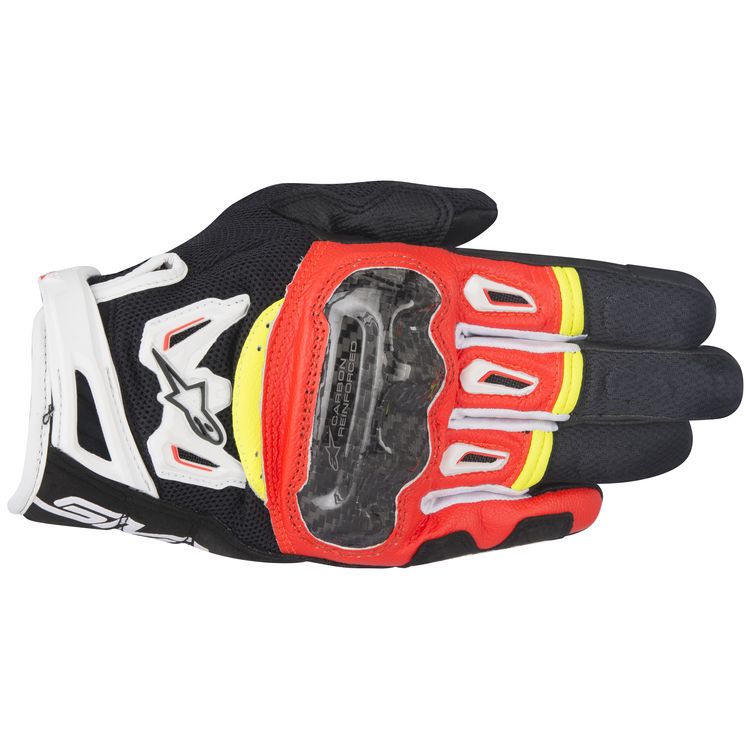
A lightweight summer glove that balances airflow, comfort, and real protection. The SMX-2 Air Carbon V2 gives you excellent feel on the controls without the bulk of heavier gloves.
- Excellent airflow keeps hands cool in heat
- Lightweight design improves control feel
- Carbon knuckle adds real impact protection
- Comfortable fit with good flexibility
- Runs slightly tight, sizing up helps fit
- Short cuff offers limited wrist protection
Best All-Weather
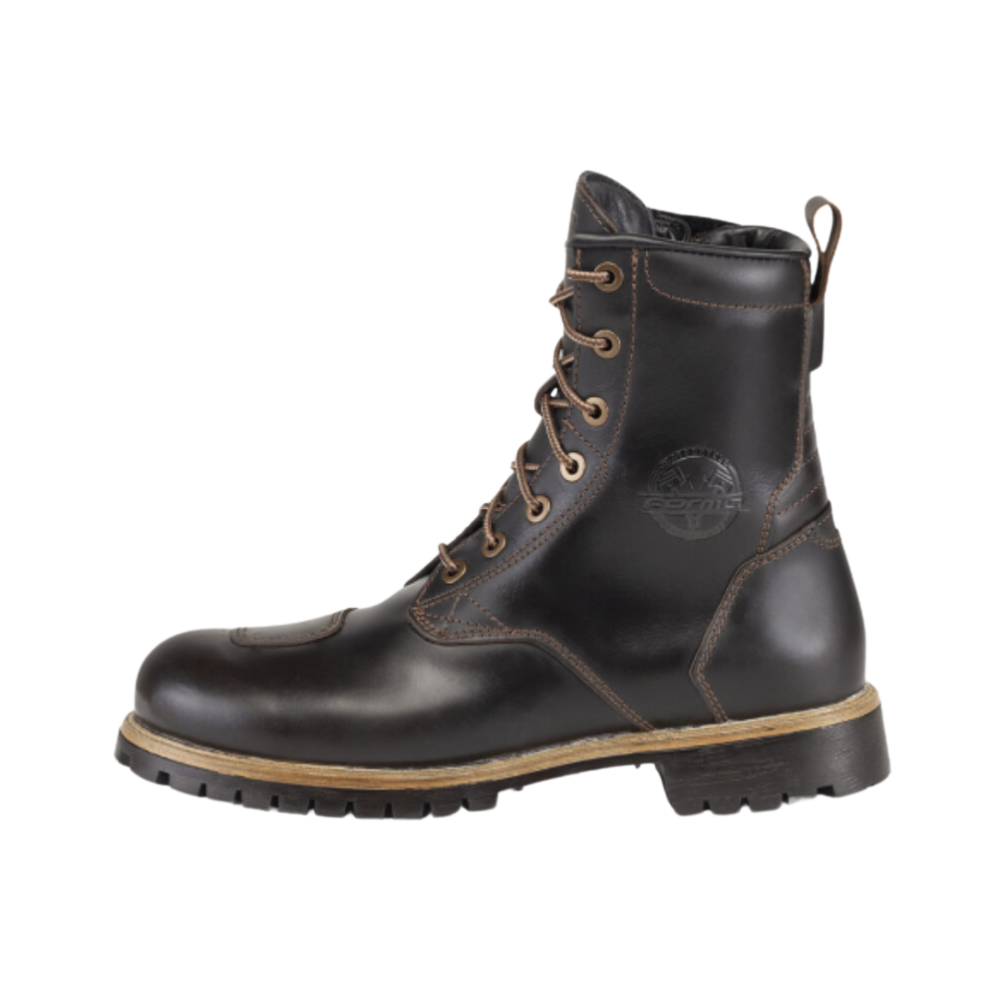
The Forma Legacy Boots offer a stylish work-boot look with built-in protection for everyday riding. Made with full-grain leather and a Drytex waterproof lining, they’re built for comfort and durability on and off the bike.
- Classic, casual style
- Waterproof and breathable
- Reinforced ankle, heel, and toe
- Easy on/off with zipper and laces
- Slight break-in needed
- May need extra insoles for support
- Runs a bit small for some
Most Wearable
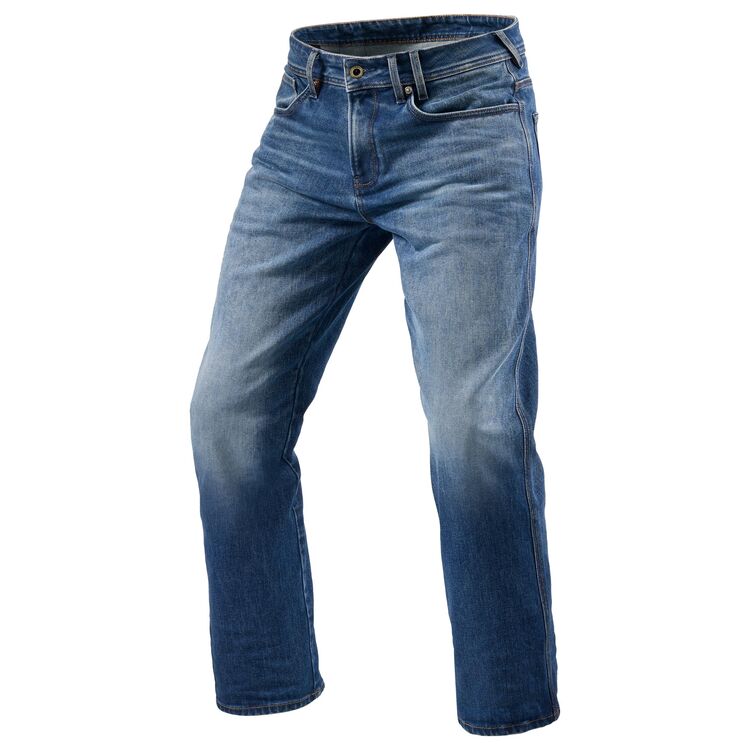
A relaxed-fit riding jean that prioritizes all-day comfort without sacrificing protection. The Philly 3 blends casual style with real motorcycle-ready durability.
- Relaxed fit offers excellent all-day comfort
- Includes knee and hip armor out of the box
- Cordura denim improves abrasion resistance
- Adjustable armor pockets improve protection fit
- Loose fit may feel bulky for some riders
- Heavier denim can feel warm in hot weather
Which Gear Is Right for You?
Before you buy a single piece of gear, answer one question: what kind of riding will you be doing?
A commuter on a Ninja 400 weaving through city traffic has different needs than someone planning weekend canyon rides on a Rebel 500 or hitting fire roads on a KLR 650. The gear itself might overlap, but the priorities shift.
Street and commuting riders should focus on a well-fitting full-face helmet, a mesh or textile jacket that breathes, short-cuff gloves, and casual-looking boots with real ankle protection. You want gear that’s easy to throw on and comfortable enough to wear into a coffee shop or office.
Sport and canyon riders need tighter-fitting gear that stays put at higher lean angles. Leather or high-abrasion textiles, gauntlet gloves, and boots with better ankle bracing. Your protection needs go up with your speed.
Adventure and touring riders should prioritize versatility. Waterproof layers, boots that handle walking and riding, and jackets with enough ventilation for summer but enough insulation (or a liner) for chilly mornings.
Budget riders (and that’s most beginners) should know this: you can get properly protected for under $700 total. That gets you a solid helmet, jacket, gloves, and boots. Pants are next on the list, but the four items above cover the highest-priority impact zones.
Here are my picks for each category of gear, with options at multiple price points.
Best Beginner Helmet: HJC i71
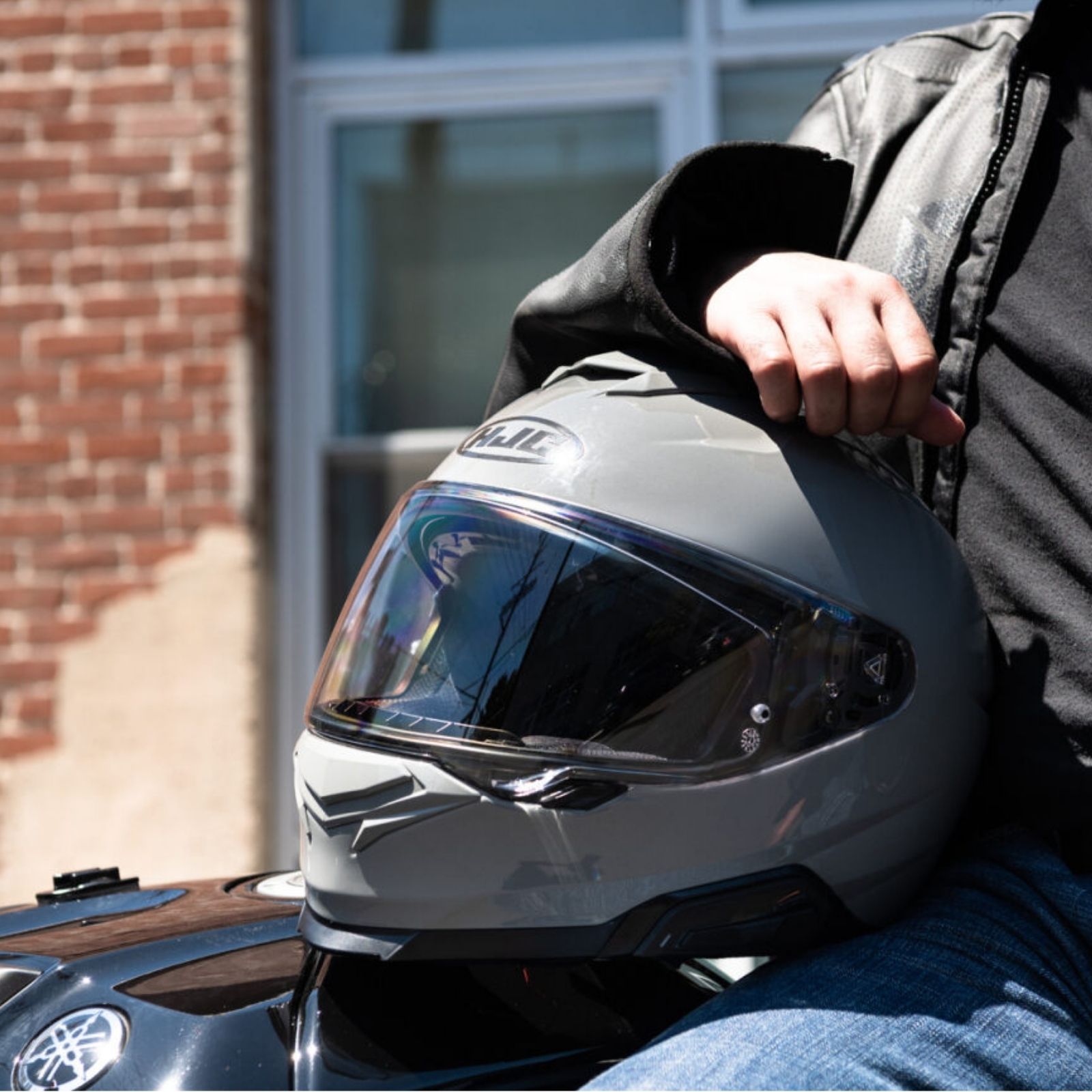
The HJC i71 punches way above its price. When I first picked one up, I thought it looked and felt like a helmet that should cost $400 or more. The curved lines, the precise vent mechanisms, the quality of the liner material. None of it screams “budget.”
Why It Works for Beginners
HJC packed a drop-down internal sun visor into this lid, which is one of those features you don’t think you need until you have it. Late afternoon sun blinding you on the highway? Flick the lever and it drops into place. No fumbling with tinted shields or pulling over to swap visors.
The moisture-wicking liner is removable and washable, and HJC cut a groove into the temples that accommodates glasses. If you wear corrective lenses, that small detail makes a real difference. Most helmets in this price range pinch your frames against your head and give you a headache after 30 minutes.
It also comes with a Pinlock anti-fog insert in the box. Pinlocks usually cost $30-40 separately, and riding without one in cold or humid weather means a fogged-up visor every time you stop at a red light.
The Catch
It’s louder than a Shoei RF-1400 at highway speeds, and the polycarbonate shell is a bit heavier than the composite shells you get on premium lids.
Silver Lining
That extra weight actually makes the helmet feel planted and stable, particularly in crosswinds where lighter helmets can get pushed around. And the i71’s noise levels are still manageable with a good set of foam earplugs (which you should be wearing on every ride anyway).
Alternative Options
If you want something quieter and lighter and you’ve got the budget, look at the Shoei RF-1400 (~$680). It’s the quietest full-face helmet on the market and we’ve reviewed it after four years of ownership. If you’d rather have a modular helmet (chin bar flips up), the HJC i91 (~$280) gives you the same brand quality with the convenience of flipping up at gas stations.
Read More
We have a full article on the best beginner motorcycle helmets with more options and a detailed buying guide. And if you’re ready to explore beyond beginner picks, our complete helmet roundup covers every riding style.
HJC i71 Helmet
Check Price on Revzilla
Check Price on Amazon
A lightweight, well-ventilated touring helmet with strong safety certification and all-day comfort. The HJC i71 punches above its class as a versatile, do-it-all daily rider.
Pros:
- Excellent ventilation keeps you cool in heat
- Lightweight feel reduces fatigue on long rides
- Drop-down sun visor adds everyday convenience
- Comfortable liner fits well for daily use
Cons:
- Wind noise noticeable at highway speeds
- Limited compatibility with non-HJC comms
Free Guide
Not Sure What Size to Order? Get Our Gear Fit Guide.
Sizing charts for helmets, jackets, gloves & boots — with brand-specific fit notes and pro tips so your gear fits right the first time.
- Helmet sizing by brand
- Jacket, glove & boot charts
- Head shape guide
- Between-sizes tips
No spam, ever. Unsubscribe anytime.
Best Beginner Jacket: REV’IT! Eclipse 2
The Eclipse 2 is the jacket I point every new rider toward, and a member of our team wears one daily. At $200, it’s hard to find a better combination of breathability, protection, and style from a brand this reputable.
Why It Works for Beginners
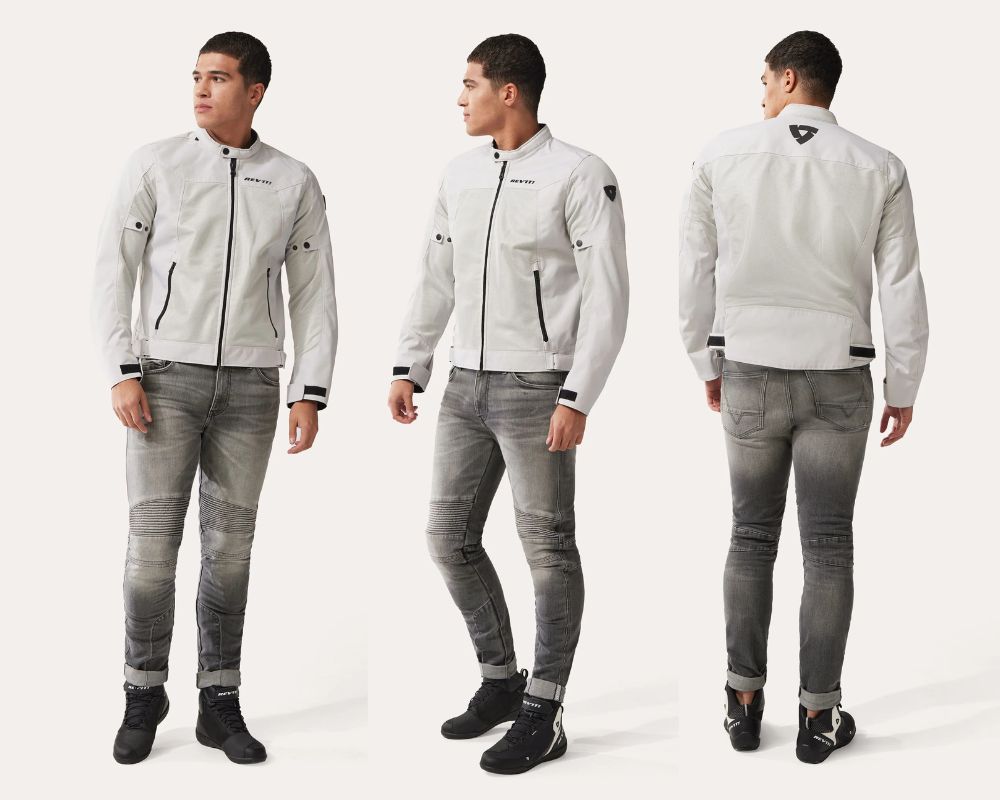
REV’IT! built the Eclipse 2 around massive mesh panels at the chest, back, and inner arms. In hot weather, it feels like you’re wearing almost nothing. That’s not an exaggeration. Riders on forums consistently describe the airflow as “like riding in a T-shirt, except you’re protected.” The high-impact zones at the shoulders and outer arms use a tougher 600-denier polyester that resists abrasion.
It comes with REV’IT!’s Seesmart CE Level 1 armor at the shoulders and elbows. These are thin, flexible protectors that you barely feel while riding. The jacket accepts a CE Level 2 Seesoft back protector insert (sold separately for about $60) if you want to upgrade.
The styling is clean and minimal. A small REV’IT! logo on the chest, no garish graphics. It looks good on or off the bike, which matters if you’re commuting to work or grabbing lunch mid-ride.
Fit Note
REV’IT! runs about half a size small compared to American cuts. If you’re between sizes, go up. The jacket has adjusters at the waist, cuffs, and biceps, so you can dial it in once you’ve got the right shell size.
The Catch
This is a summer jacket. It’s mesh. When the temperature drops below 60°F at highway speeds, you’ll feel it. No chest armor pockets, either.
Silver Lining
If you ride year-round, pair it with a windproof mid-layer underneath for cooler days. And the lack of chest armor pockets keeps the jacket lighter and cooler for the 90% of riding where you need airflow most.
Alternative Option
For cold-weather riding, consider the Scorpion EXO Optima (~$250). It has a waterproof laminate shell with waterproof zippers (a feature you normally don’t see under $500) and an EverHeat thermal liner. It’s a Staff Pick at Revzilla for good reason.
Our Review
Read this full review of the REV’IT! Eclipse 2. Not sure what to look for in a motorcycle jacket? Our motorcycle jacket buying guide walks you through materials, fit, and protection.
REV'IT! Eclipse 2 Jacket
Check Price on Revzilla
Check Price on Amazon
A lightweight, summer-ready motorcycle jacket with large mesh panels for airflow, CE Level 1 armor, and a clean, urban style—ideal for hot weather riding.
Pros:
- Excellent airflow for hot weather
- Lightweight and comfortable
- CE Level 1 shoulder and elbow armor included
Cons:
- No waterproof or thermal liner
- Back protector not included
- Limited storage/pocket space
We may earn a commission if you make a purchase, at no additional cost to you.
Best Beginner Gloves: Alpinestars SMX-2 Air Carbon V2
Your hands are one of the first things to hit the pavement when you go down. It’s pure instinct to throw them out to break your fall. Without gloves, you’re looking at ground-down palms and shredded knuckles. With the right gloves, you walk away annoyed instead of bleeding.
Why It Works for Beginners
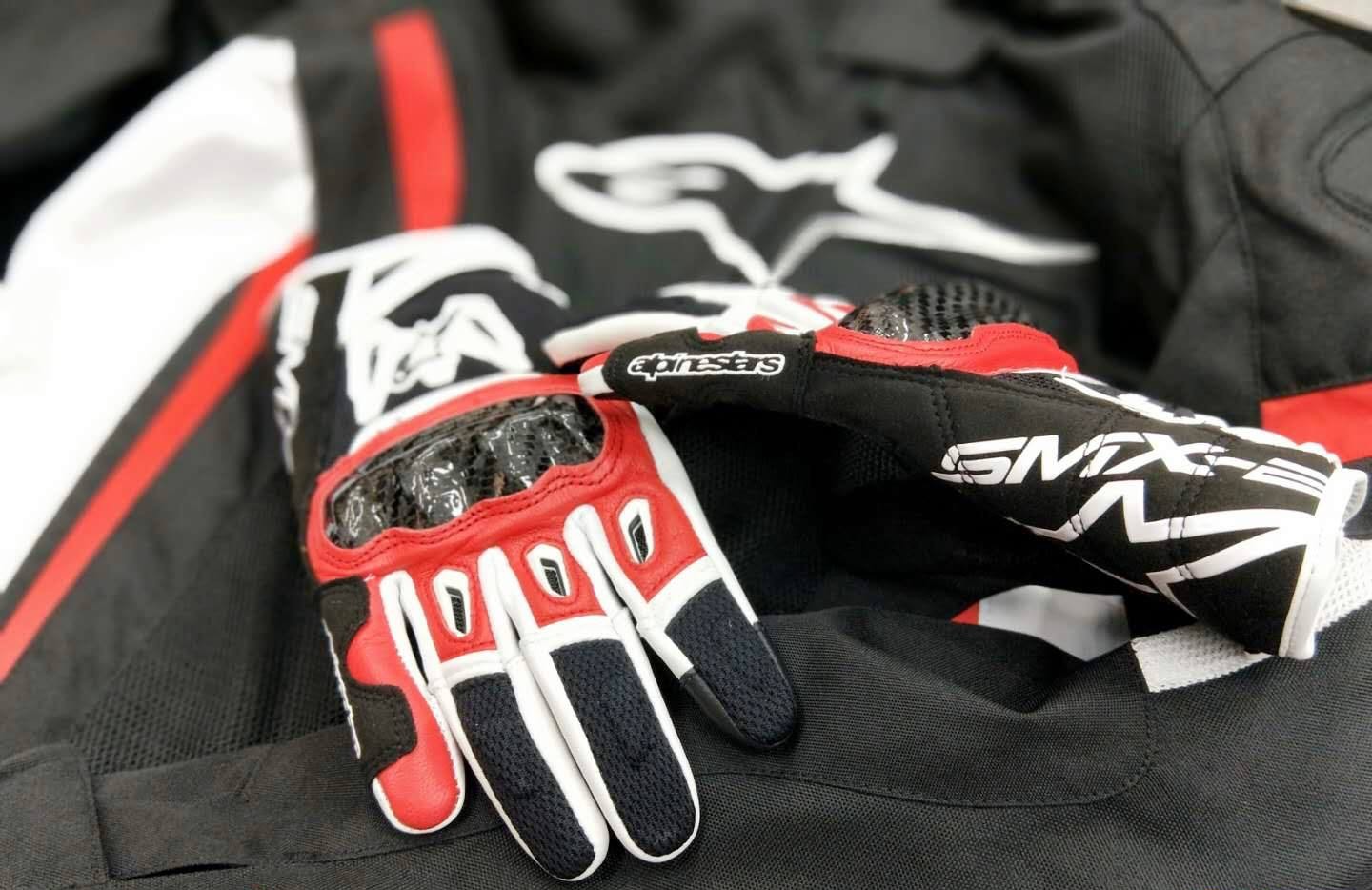
The carbon fiber knuckle guard is the headline feature: it’s ergonomically shaped, lightweight, and backed by thick EVA foam on the inside. It absorbs impacts that would otherwise shatter your knuckles.
The main shell is a mix of full-grain leather and 3D mesh. The leather handles abrasion, the mesh keeps your hands cool. Suede reinforcements on the palm and thumb add grip and slide protection. Pre-curved fingers reduce hand fatigue on longer rides, and ergonomic stretch inserts between the thumb and palm let you operate the controls without fighting the glove.
Touchscreen-compatible fingertips work well enough to swipe through a GPS screen at a stoplight. Alpinestars also makes a Stella version with the same features but cut for smaller, narrower hands.
The Catch
These are short-cuff gloves that sit at or just below the wrist. They don’t tuck under a jacket sleeve the way gauntlet gloves do. For higher-speed riding or colder weather, you’ll want a full gauntlet for more wrist coverage.
Silver Lining
The short cuff keeps your hands cooler in warm weather and makes the gloves much easier to put on and take off. For the street riding, commuting, and weekend cruising that most beginners do, a short cuff is actually the more practical choice. If you want more first-glove options before you buy, our best beginner motorcycle gloves guide covers safe, comfortable picks for new riders across different budgets and riding styles.
Alternative Option
If budget is tight, the Sedici Marco 2 (~$70 on Revzilla) is a decent entry point with knuckle protection and a leather palm, though the build quality and protection won’t match the Alpinestars.
Alpinestars SMX-2 Air Carbon v2 Gloves
Check Price on Revzilla
Check Price on Amazon
A lightweight summer glove that balances airflow, comfort, and real protection. The SMX-2 Air Carbon V2 gives you excellent feel on the controls without the bulk of heavier gloves.
Pros:
- Excellent airflow keeps hands cool in heat
- Lightweight design improves control feel
- Carbon knuckle adds real impact protection
- Comfortable fit with good flexibility
Cons:
- Runs slightly tight, sizing up helps fit
- Short cuff offers limited wrist protection
Best Beginner Boots: Forma Legacy Dry Boots
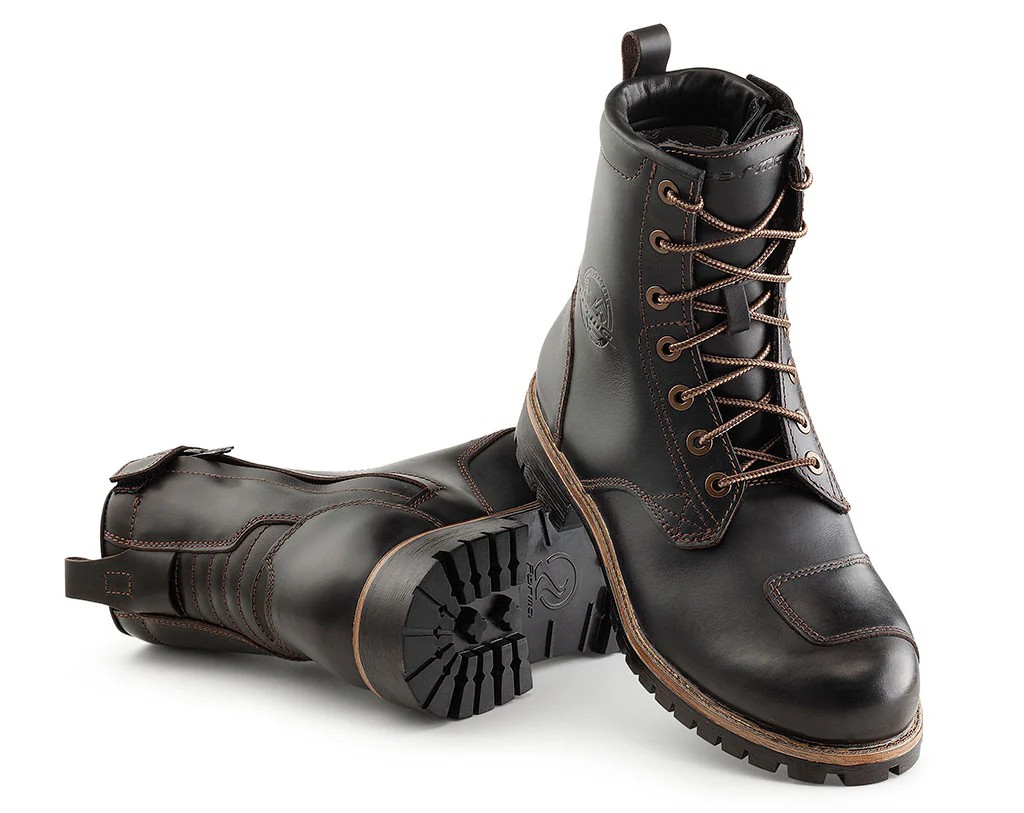
Good beginner boots should be protective, waterproof, and easy to live with. The Forma Legacy Dry Boots hit that balance with a casual leather look, a waterproof Drytex liner, and enough built-in protection to make them a real riding boot instead of just a stylish work boot.
They are the kind of boots you can wear on a commute, walk around in after the ride, and still trust when the weather turns ugly. The full-grain leather upper gives them that classic everyday boot feel, while the Drytex lining keeps rain from soaking through during wet rides.
Why It Works for Beginners
The Legacy Dry makes sense for newer riders because it does not feel intimidating. There are no tall touring shafts, race-style sliders, or bulky buckles. You get a familiar lace-up boot shape, but Forma adds a side zipper so you can lace them once for fit and use the zipper for quicker daily on/off.
Protection is built in where beginners need it most. The boots include reinforced ankle protection, TPU molded ankle inserts, heel and toe reinforcement, and a midsole designed to absorb shock. The urban rubber sole also gives you better grip when putting a foot down at wet stops or walking around off the bike.
The Catch
They are still short commuter boots, not full-height touring boots. You get useful ankle and foot protection, but not the shin coverage or bracing of a taller motorcycle boot.
The leather also needs a little break-in time, especially if you are used to soft sneakers.
The Silver Lining
That shorter, casual design is exactly why beginners are more likely to wear them. They look like normal leather boots, work with jeans, and are comfortable enough for commuting or running errands after the ride.
If your riding is mostly pavement, commuting, or weekend street rides, our best street riding boots guide gives you more beginner-friendly options that still look normal off the bike.
Alternative Option
If you want a more adventure-style low boot with extra structure, the Forma Adventure Low Boots are worth considering. They are taller and more off-road inspired, but less subtle for everyday commuting.
Forma Legacy Dry Boots
Check Price on Revzilla
The Forma Legacy Boots offer a stylish work-boot look with built-in protection for everyday riding. Made with full-grain leather and a Drytex waterproof lining, they’re built for comfort and durability on and off the bike.
Pros:
- Classic, casual style
- Waterproof and breathable
- Reinforced ankle, heel, and toe
- Easy on/off with zipper and laces
Cons:
- Slight break-in needed
- May need extra insoles for support
- Runs a bit small for some
We may earn commissions if you make a purchase.
Best Beginner Pants: REV’IT! Philly 3 Jeans
Pants are usually the last piece of gear beginners buy, and I get it. A helmet is obvious. Gloves and a jacket make sense. But jeans? You’re already wearing jeans. Here’s the problem: regular denim shreds on contact with asphalt. At just 30 mph, it’ll burn through in less than a second.
Why It Works for Beginners
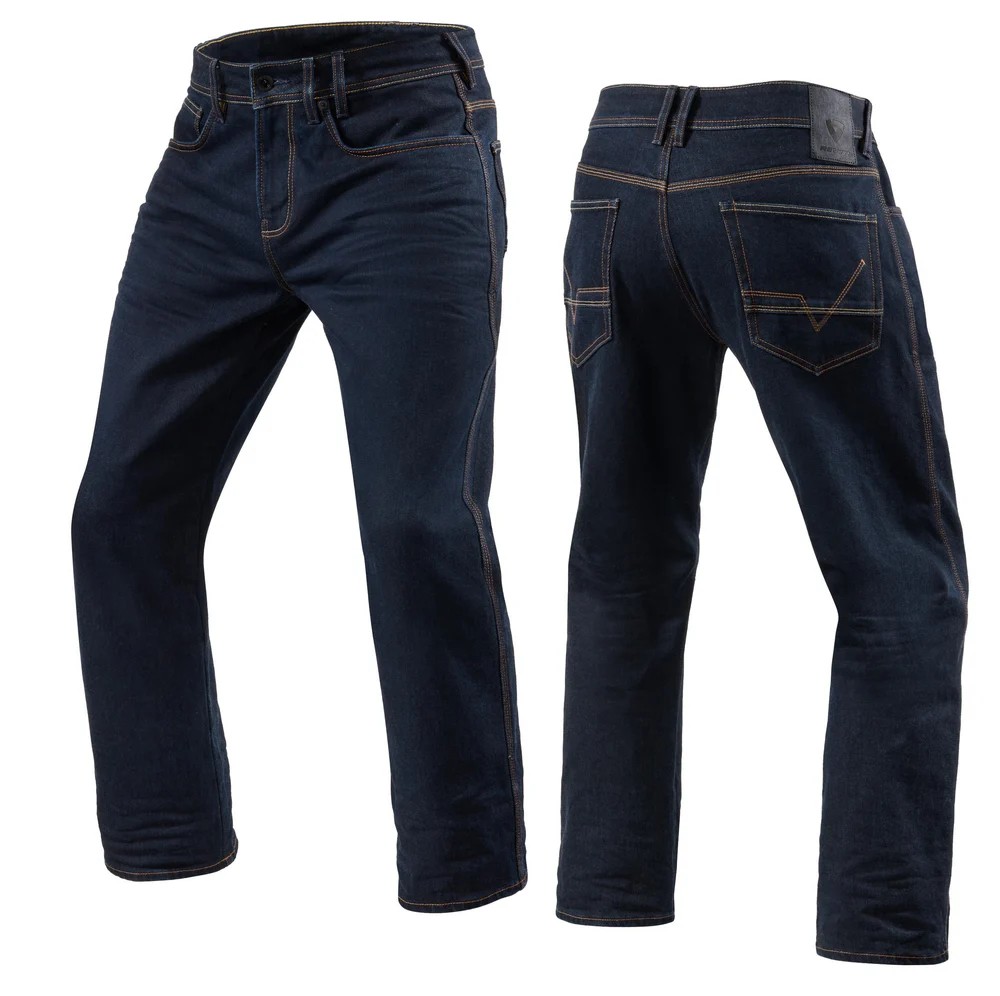
The REV’IT! Philly 3 Jeans look like regular jeans. That’s the whole point. They use a single-layer Cordura denim construction that’s CE Class A rated for abrasion and tear resistance, while feeling and looking like something you’d buy at a clothing store. You can wear them to dinner, to the office, wherever.
They come with Seesmart CE Level 1 knee protectors in the box, and you can add hip armor if you want it. The fit is relaxed and comfortable with enough stretch to move naturally both on and off the bike.
The Catch
At $240, they’re not cheap for jeans. And as a single-layer construction, they won’t match the abrasion resistance of a dedicated two-layer riding pant or leather.
Silver Lining
A single road rash incident on your legs can cost thousands in medical bills and months of recovery. And because these look and feel like normal jeans, you’ll actually wear them. That beats a pair of armored overpants gathering dust in the garage.
Alternative Options
For riders on a tighter budget, the Street & Steel Oakland Jeans (~$150 on Revzilla) give you aramid reinforcement at the seat, hips, and knees with CE knee armor included. They look like classic five-pocket jeans and come in at a price that won’t sting. The Alpinestars Copper V3 Jeans (~$285 on Revzilla) are a step up, with stretch denim, aramid panels in the impact zones, and CE Level 1 Bio-Flex knee armor pre-installed.
For more options beyond jeans, including textile and leather riding pants, check out our full guide of the best motorcycle pants.
REV'IT! Philly 3 Jeans
Check Price on Revzilla
A relaxed-fit riding jean that prioritizes all-day comfort without sacrificing protection. The Philly 3 blends casual style with real motorcycle-ready durability.
Pros:
- Relaxed fit offers excellent all-day comfort
- Includes knee and hip armor out of the box
- Cordura denim improves abrasion resistance
- Adjustable armor pockets improve protection fit
Cons:
- Loose fit may feel bulky for some riders
- Heavier denim can feel warm in hot weather
Quick Comparison Table
| Product | Best For | Price | Protection | Key Feature |
| HJC i71 Helmet | All-around beginner | ~$260 | DOT/ECE | Internal sun visor + Pinlock included |
| REV’IT! Eclipse 2 Jacket | Summer/warm weather | ~$200 | CE Class A | Maximum mesh airflow |
| Alpinestars SMX-2 Air Carbon V2 Gloves | Street/commuting | ~$110 | CE certified | Carbon knuckle guards |
| Forma Legacy Dry Boots | All-around, all-weather | ~$279 | CE certified | Waterproof + easy zipper entry |
| REV’IT! Philly 3 Jeans | Everyday/commuting | ~$240 | CE Class A | Looks like regular jeans |
| Shoei RF-1400 (upgrade) | Premium full-face | ~$680 | Snell/ECE/DOT | Quietest helmet made |
| TCX R04D WP (alt boots) | Casual/sneaker style | ~$110 | CE certified | Sneaker comfort + real protection |
Beginner Motorcycle Gear Buying Guide
Figure Out Your Riding Type First
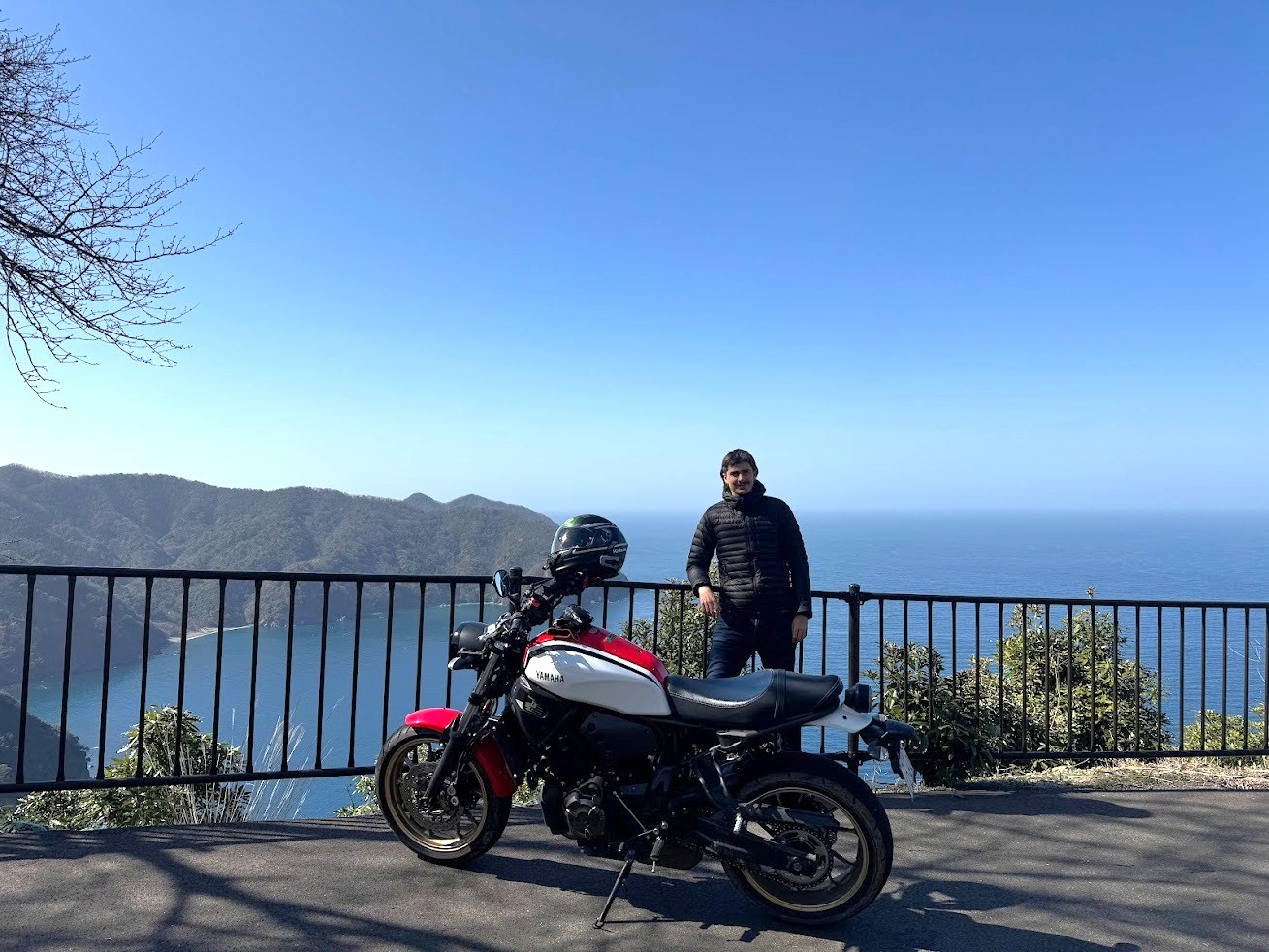
This is the step most beginners skip, and it costs them money. If you buy a full leather racing jacket because it looks cool but you’re commuting on a Honda Rebel, you’ll roast alive in summer and stop wearing it within a month. If you buy ultralight mesh everything and then decide to do a cross-country trip in October, you’ll freeze.
Spend five minutes honestly thinking about where and how you’ll ride for the next year. Then buy gear that fits that reality, not the fantasy version of your riding life.
Prioritize Your Spending
If you can only afford to buy gear one piece at a time, buy it in this order:
- Helmet. Non-negotiable. This protects the one body part you literally can’t live without. Budget at least $250.
- Gloves. Your hands hit the ground first in most falls. $50-80 gets you legitimate knuckle armor and palm protection.
- Jacket. A $200 textile jacket with CE armor protects your torso, back, shoulders, and elbows from road rash and impact. If you want more first-jacket options, our beginner motorcycle jacket guide breaks them down by riding style, budget, and protection level.
- Boots. Riding shoes with ankle reinforcement start around $100. Real CE-certified boots start around $200.
- Pants. Riding jeans with Cordura or Kevlar start around $150. Your legs have a lot of surface area to lose skin on.
Fit Matters More Than Brand
The best helmet in the world is useless if it doesn’t fit your head shape. HJC helmets tend to fit long-oval heads. Shoei fits intermediate oval. Arai fits rounder heads. The only way to know is to try them on, so visit a local gear shop even if you plan to buy online. Sit in the helmet for 10-15 minutes. If it’s pinching after five minutes, it’s the wrong shape for you.
The same goes for jackets and gloves. Armor that shifts when you move won’t protect you when you need it. Gloves that are too tight restrict your throttle control. Boots that are too loose let your foot slide on the peg.
Brands Worth Your Money
Budget and mid-tier (great value for new riders): HJC, Scorpion, Sedici, Street & Steel, Speed & Strength, Icon, TCX, Bull-it
Premium (buy-it-for-life quality): Shoei, Arai, REV’IT!, Alpinestars, Klim, Dainese
A brand like Sedici (Revzilla’s house brand) or HJC will give you solid CE-rated protection at a fraction of the price of the premium brands. The premium brands typically win on comfort, durability, materials, and features. Both will protect you in a crash. The difference shows up on mile 500 of a long weekend, when the cheaper liner is itchy and the budget armor is poking you in the ribs.
For a deep dive on which brands make the best gear, check out our full guide of the best motorcycle gear brands.
Safety Certifications: What They Mean
DOT is the minimum legal standard in the US, and it means very little for actual safety. It’s a self-certification; manufacturers test their own helmets.
ECE 22.06 is the European standard and tests for rotational forces, which matter a lot in real-world motorcycle crashes. If a helmet has ECE certification, it’s been independently tested.
Snell focuses on repeated heavy impacts to a single spot. It’s a demanding standard, common on sport and racing helmets.
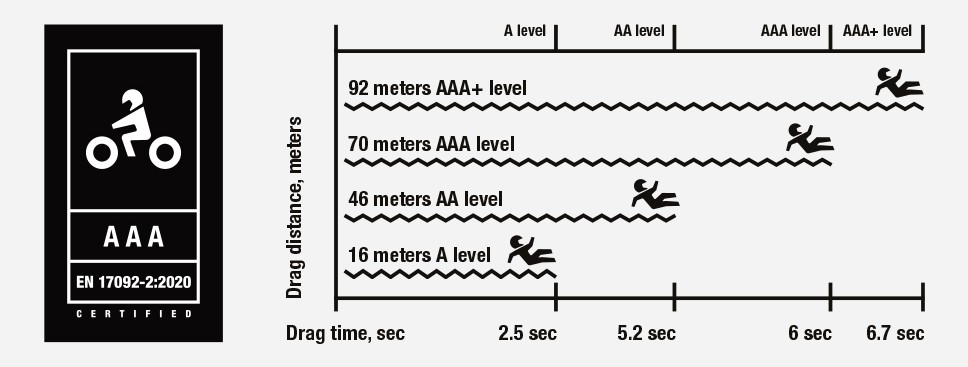
CE ratings for gear (jackets, pants, gloves, boots) range from Class A (light urban protection) through AA and AAA (highest abrasion resistance). For a beginner doing street riding, Class A or AA gear is appropriate. Track days call for AA or AAA.
Don’t Forget These
Earplugs. Wind noise at highway speeds causes permanent hearing damage. A $20 pack of foam earplugs or a set of reusable filtered plugs from NoNoise or Earpeace will save your hearing. Wear them every ride.
A back protector. Most jackets under $300 don’t include one. A standalone CE Level 2 back protector insert runs $40-80 and slides into the pocket that’s already built into your jacket. Your spine is worth the upgrade. We break down CE Level 1 vs Level 2 armor and which brands to trust in our armor guide.
Visibility. New riders should avoid all-black everything. A white or bright-colored helmet and a jacket with some reflective elements make you easier to see. You don’t have to look like a traffic cone, but being visible keeps other drivers from turning left in front of you.
Final Thoughts
Getting geared up as a new rider doesn’t have to drain your bank account or feel overwhelming. Start with the pieces that protect the parts of your body that matter most, buy from brands that have earned their reputation, and pick gear you’ll actually wear every time you swing a leg over the bike.
The products in this guide are all currently available on Revzilla or Amazon, and every one of them has been chosen because it delivers real protection at a fair price for beginners. If your budget allows, the premium alternatives mentioned throughout will give you added comfort and durability. But if you’re starting with the core picks listed here, you’re better protected than a lot of experienced riders I’ve seen on the road. When you start carrying a pillion, use properly fitted motorcycle passenger gear rather than handing over spare equipment in the wrong size. Protective equipment is only part of riding safely; new riders should also learn the standard motorcycle hand signals used in group rides and emergencies.