
Shoei Neotec 3 vs HJC RPHA 91: Which Is Better for Modular Touring?
 Evan Rally
left for contents
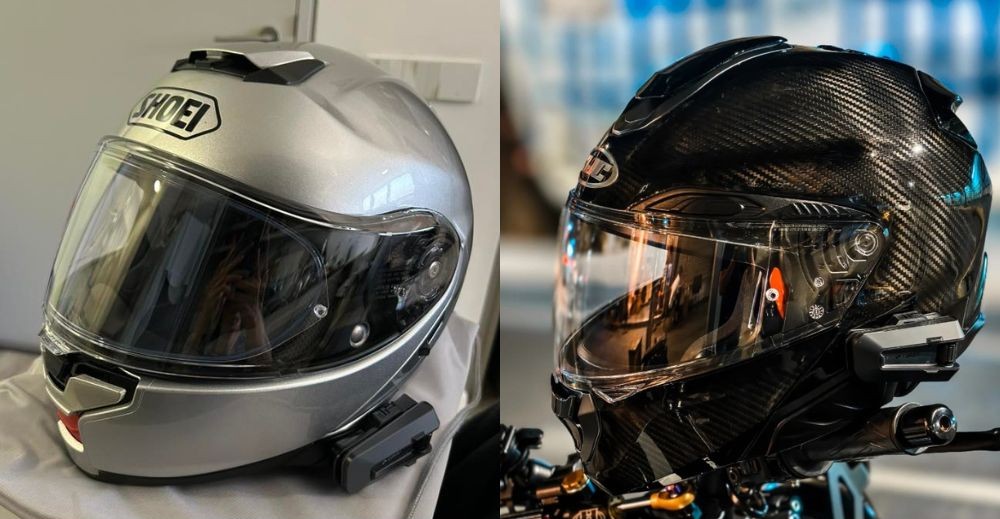
Both of these helmets sit at the premium end of the modular touring market. Both meet ECE 22.06 with P/J dual homologation, both include a Pinlock insert and drop-down sun visor, and both are built to eat miles.
The difference? About $310 and a philosophy on where that money goes. The Neotec 3 puts it into handmade Japanese build quality and noise isolation. The RPHA 91 puts it into a lighter shell and more shell sizes while keeping the price accessible.
Buy the Shoei Neotec 3 if you:
- Want the quietest modular experience short of a Schuberth C5, with a plush fit that gets better over thousands of miles.
- Need Shoei’s Personal Fitting System to dial in a custom fit with three shell sizes and swappable pad thicknesses.
- Plan to run the Sena SRL3 and want factory-level comms integration with hidden wiring channels.
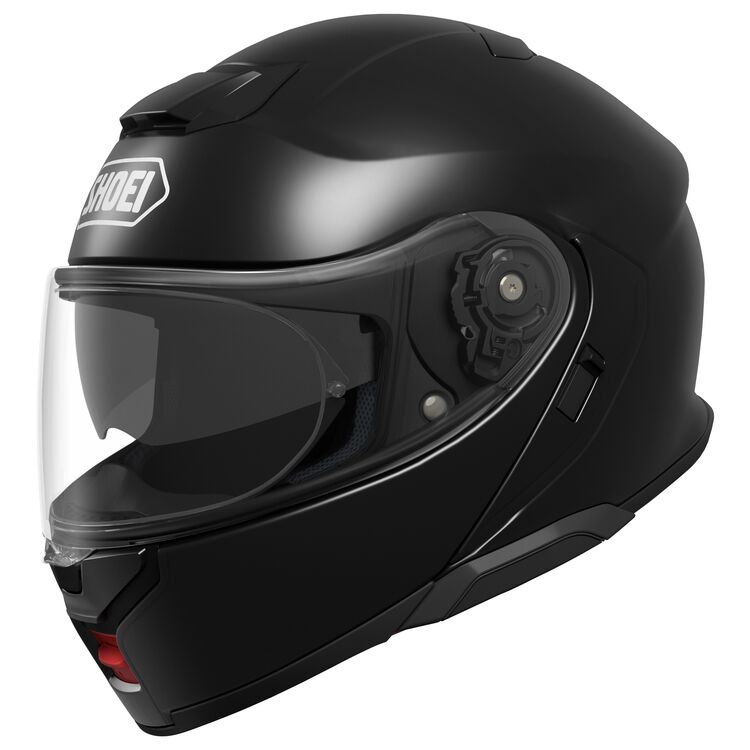
A premium modular helmet built for long-distance comfort and low noise, with a smooth flip-up chin bar, tightly-sealing visor and wide drop down sun shade. Fits the SRL3 Sena comms system seamlessly.
- Comfortable wear all day
- Quiet, aerodynamic performance
- Flip-front convenience at stops
- Integrated comms & sun visor
- Faceshield lock is sometimes stiff
- Heavier weight may fatigue neck on long rides
Buy the HJC RPHA 91 if you:
- Want a premium composite modular without spending close to four figures on the helmet alone.
- Prefer a lighter helmet (3.84 lbs vs 4.15 lbs) and value four shell sizes for a more compact profile.
- Need strong ventilation in warm climates, with five intake vents and seven exhaust ports moving serious air.
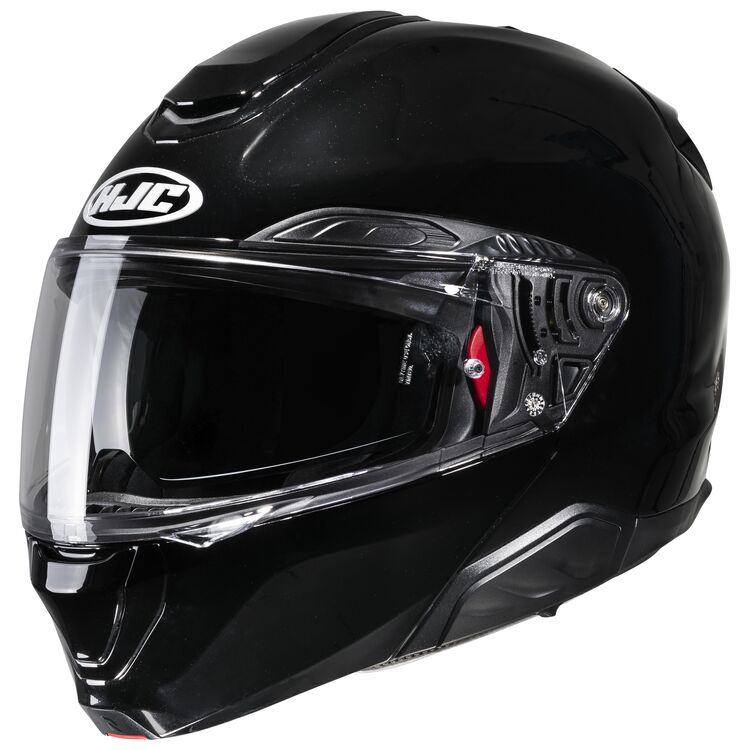
A premium DOT-rated modular helmet combining composite‑shell strength with a smooth flip‑front, quiet ride and adjustable sun visor for long-distance touring comfort.
- Composite PIM Evo shell offers superior impact protection
- Adjustable drop-down sun visor adapts to changing light
- Very quiet for a modular helmet—~96 dB at highway speeds
- Comfortable, plush liner with interchangeable cheek pads
- Slightly heavy compared to lighter modulars
- Chin bar lock can be finicky to operate with gloves
The Neotec 3 is worth the extra ~$310 if you care most about noise isolation, build refinement, and a custom-tailored fit that Shoei is known for.
At-a-Glance: Specs & Price
| Specs | Shoei Neotec 3 | HJC RPHA 91 |
|---|---|---|
| Weight | ~4.15 lbs / 1,881g (Medium, solid) | ~3.84 lbs / 1,740g (Medium, solid) |
| Fit/Shape | Intermediate oval, 3 shell sizes | Intermediate oval (slightly long), 4 shell sizes |
| Shell/Materials | AIM (5-layer fiberglass + organic fiber composite) | PIM EVO (carbon-aramid, carbon fiber, fiberglass, organic fiber, linen) |
| Safety/Cert | DOT, ECE 22.06 P/J, SHARP 5-star | DOT, ECE 22.06 P/J, SHARP 4-star |
| Ventilation | Chin vent (2-position w/ bug filter), brow vent, rear exhausts | 5 intake vents (chin, crown, brow), 7 exhaust ports |
| Sun Visor | QSV-2 (slider, left side), enlarged +5mm over Neotec 2 | HJ-V17 (adjustable depth, 3-position) |
| Comms Ready | Sena SRL3 / Shoei Comlink (internal channels) | Smart HJC 50B/21B (integrated pockets) |
| Warranty | 5 years from purchase / 7 years from manufacture | 5 years from purchase / 7 years from manufacture |
| Price (typical) | ~$950 solid / ~$1,050 graphics (as of early 2026) | ~$630–640 solid / ~$710 graphics (as of early 2026) |
Who Each Product Is Built For
The Shoei Neotec 3 Rider
You’re the type who logs 500+ mile days on a sport-tourer or ADV bike and expects your helmet to disappear after the first hour. Noise fatigue is something you’ve dealt with in cheaper lids, and you’ve decided you’re done with it. You probably own a comms system already or plan to install one, and you want it to integrate cleanly without zip ties or double-sided tape.
You value craftsmanship. Every Shoei is handmade in Japan, and when you handle a Neotec 3, you feel it. The tolerances on the chin bar mechanism, the precision of the visor seal, the way the cheek pads extend all the way to the back of your skull. I’ve been to the Shoei gallery many times in Japan to see helmets like the GT-Air 3 and the Neotec 3 up close, and the attention to detail never gets old.
You also don’t mind paying for the ability to fine-tune your fit. Shoei’s optional pad thickness options (5mm, 9mm, and 13mm) let you dial in a fit that no other modular matches at this price point. If you’ve struggled with helmets that are “close but not quite,” this matters more than you think.
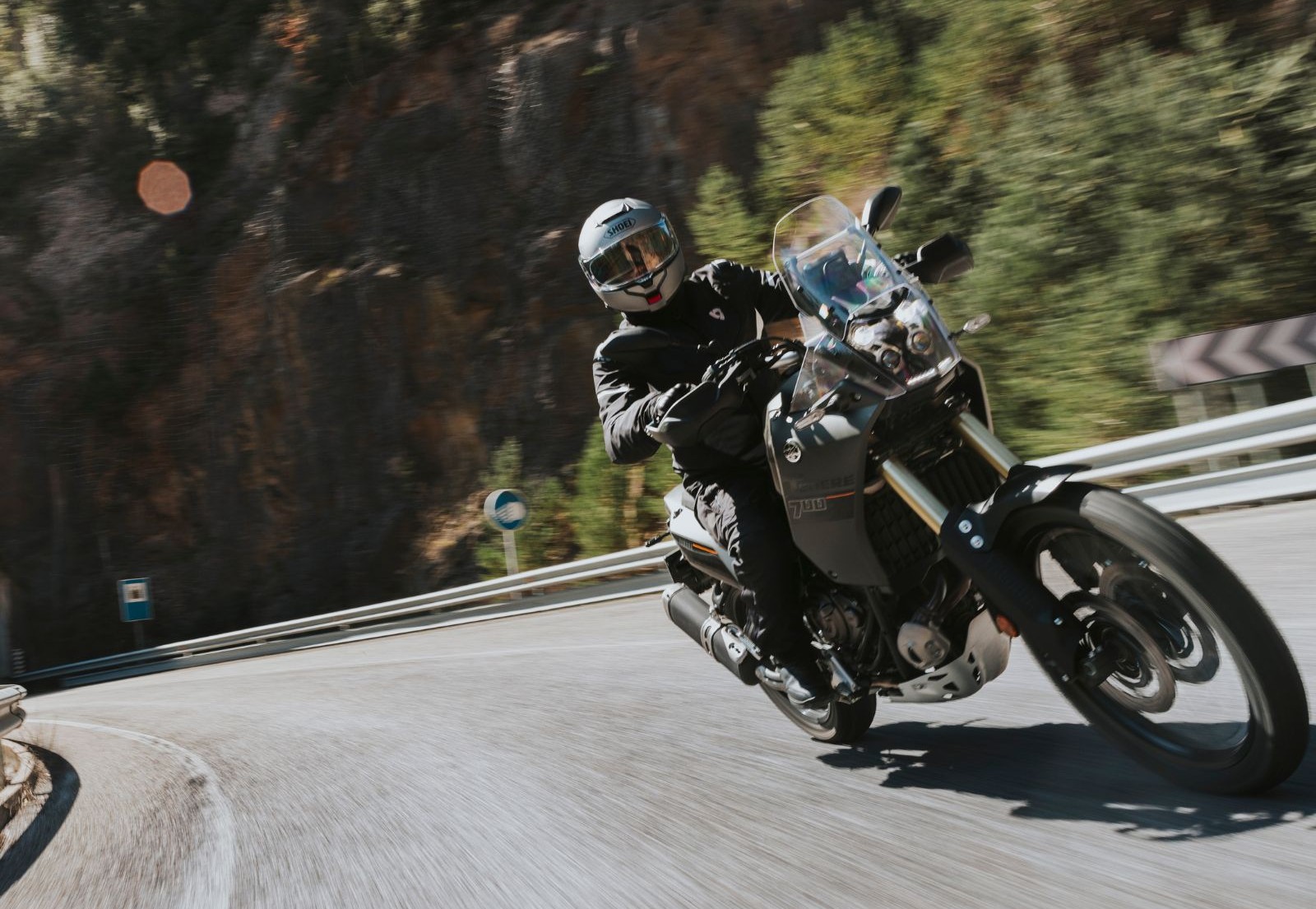
The HJC RPHA 91 Rider
You want to spend your gear budget wisely. You know you don’t need to spend $950 to get a composite-shell modular that meets the latest safety standard, and you’d rather put that $310 toward tires, fuel, or a comms unit. The RPHA 91 delivers a premium feel, PIM EVO composite construction, and ECE 22.06 certification at a price that makes the math work.
You ride in warm weather more often than not, and ventilation is non-negotiable. Five intakes and seven exhaust ports push a volume of air that the Neotec 3 simply can’t match. You also prefer a lighter lid. At 3.84 lbs, the RPHA 91 sits almost a third of a pound below the Shoei, and that adds up over a long day.
You appreciate that HJC gives you four shell sizes instead of three, so even if you’re at the edge of a size range, you’re getting a compact, proportional shell rather than a helmet that looks too bulky for your head.
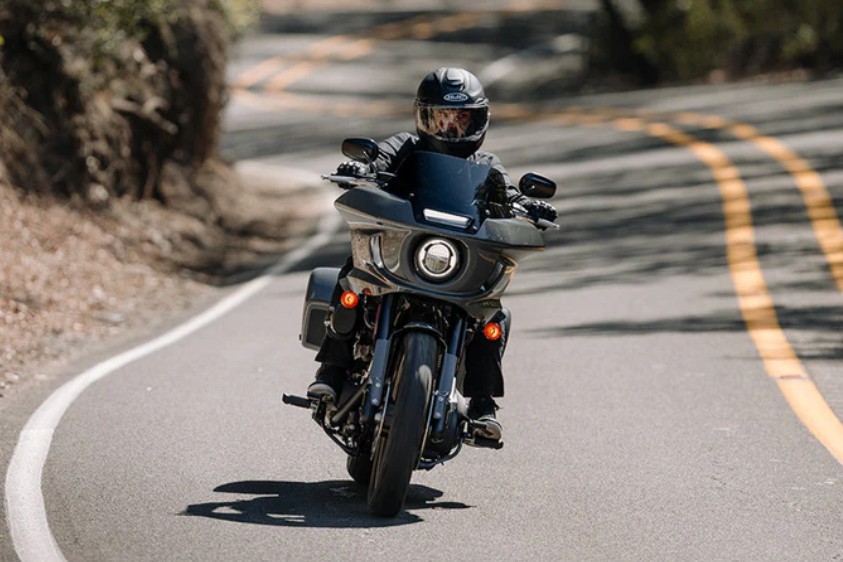
What Riders Report (Hands-on & Owner Feedback)
Neotec 3 owners love:
- Noise reduction over the Neotec 2. Multiple owners report a noticeable drop in wind noise, with the redesigned chin seal and thicker neck roll doing most of the work. One long-term owner estimated a 30% noise improvement over the original Neotec.
- Visor and chin bar operation. The center-locking visor mechanism gets consistent praise for its balanced, smooth lift. The chin bar locks firmly in both open and closed positions, and the dual-detent feature lets you hold it partially open at low speeds.
- Fit that improves with time. Cheek pads start snug and break in over the first few rides. Several owners say the Neotec 3 is the most comfortable helmet they’ve ever worn once broken in.
- Build quality you can feel. Owners regularly comment on the premium feel of every component, from the stainless steel micro-ratchet buckle to the shield mechanism.
Neotec 3 owners flag:
- Weight. At 4.15 lbs, it’s one of the heavier modular helmets. Some riders with smaller frames or weaker necks notice fatigue after very long days.
- Price. The $950+ entry point is a lot to swallow, especially when graphics push past $1,000. Multiple owners acknowledge it’s worth it, but $950+ stings at checkout.
- Initial tightness. The snug out-of-box fit is by design, but a few riders find the first few hours uncomfortable before break-in.
RPHA 91 owners love:
- Quiet for the price. Independent testing measured around 96 dB at highway speeds, which is quieter than many polycarbonate modulars and competitive with helmets costing $200+ more.
- Ventilation. Multiple owners praise the airflow, especially the brow vents that the budget-focused HJC i91 lacks. Hot-weather riders consistently rank it among the best-ventilated modulars they’ve tried.
- Plush liner. The interior is frequently described as “couch-like.” The antibacterial fabric wicks moisture well and dries quickly after a sweaty ride.
- Chin bar lock. HJC includes a positive lock for the chin bar in the open position, something the Neotec 3 achieves through structural design alone. Some riders prefer the extra reassurance of a dedicated lock.
RPHA 91 owners flag:
- Fit can be tricky. The RPHA 91 sits between intermediate and long oval. If your head is rounder, you may feel pressure at the front and back. Some riders report the helmet sitting lower on the head than expected.
- Not as quiet as the Neotec 3. While respectable, the RPHA 91 lets a bit more wind through the neck roll at higher speeds. It’s quieter than budget modulars, but not in the same league as the Shoei or Schuberth C5.
- Sun visor depth. A few riders wish the drop-down visor came down a bit further for more coverage, especially when the sun is low on the horizon.
Head-to-Head by Category
Noise at Highway Speeds
This is where the Neotec 3 justifies a chunk of its price premium. Shoei’s wind-tunnel-tuned shell, thick neck roll, extended cheek pads, and redesigned chin seal combine to create one of the quieter modular helmets on the market. It’s not quite Schuberth C5 quiet (if absolute silence is your priority, see our C5 vs Neotec 3 comparison), but it’s close.
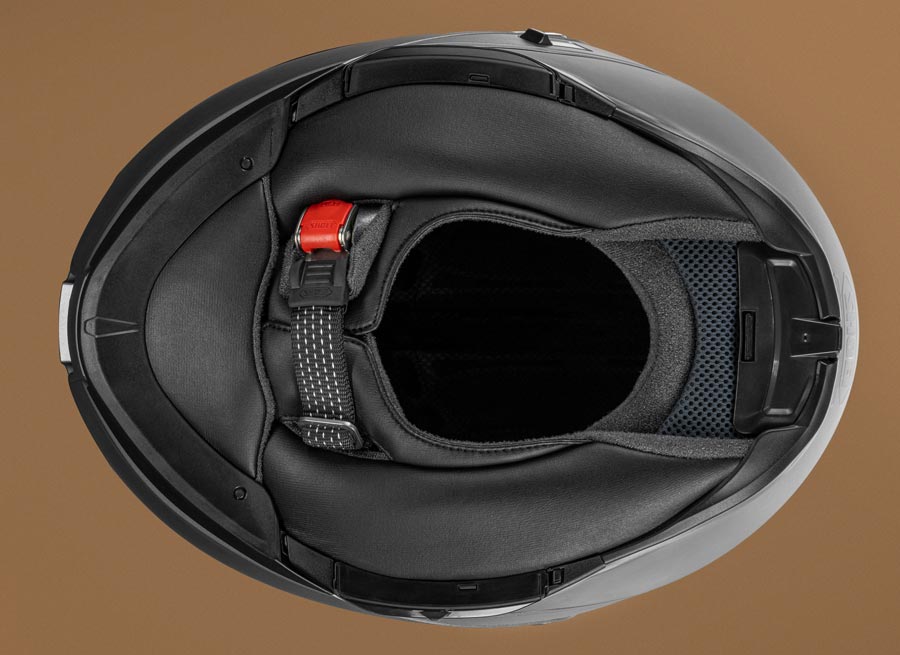
The RPHA 91 does well for its price. Independent testing put it around 96 dB at 130 km/h, and HJC’s 3D-engineered interior and neck roll system do a solid job. But once you push past 70 mph, a faint hiss creeps in where the Shoei stays composed. If you always ride with earplugs, this difference shrinks. If you don’t, you’ll notice it on a 6-hour highway day.
Edge: Neotec 3
Weight and All-Day Fatigue
The RPHA 91 weighs 3.84 lbs in a medium. The Neotec 3 weighs 4.15 lbs. That’s roughly a third of a pound, which doesn’t sound like much until you’ve been wearing a helmet for eight hours straight. Lighter helmets put less strain on your neck, and over the course of a multi-day tour, the cumulative difference matters.
Both helmets distribute their weight well, so neither feels top-heavy. But if you’re on a naked bike or standard with less wind protection, the lighter RPHA 91 will feel more manageable. For a broader look at weight-optimized modulars, see our lightest modular helmets roundup.
Edge: RPHA 91
Ventilation in Heat
The RPHA 91 wins this category handily. Five intake vents (chin, crown, and brow) paired with seven exhaust ports move a volume of air that few modulars can match. If you ride in tropical heat or spend summers baking at red lights, you’ll appreciate the difference.
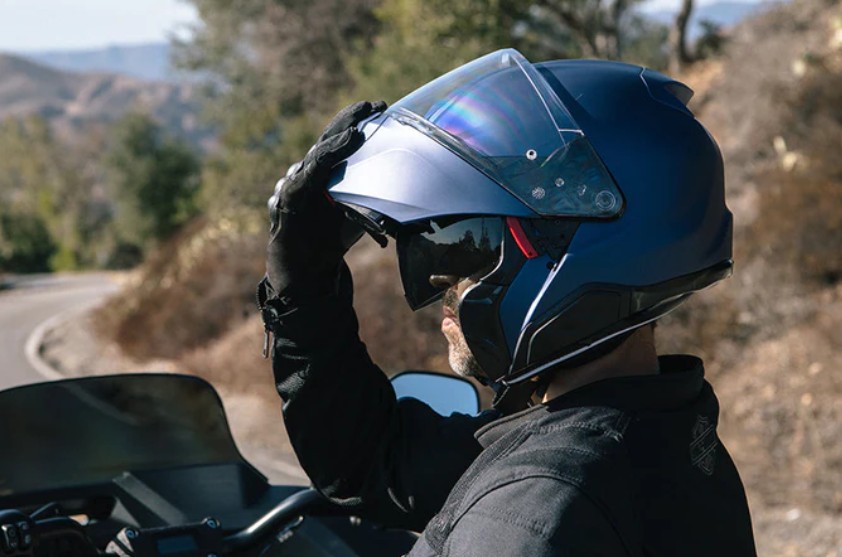
The Neotec 3’s ventilation is good, but it’s designed with noise isolation in mind. The chin vent has a two-position slider and a built-in bug filter (a nice touch), and the brow vent works well. But “more ventilation” and “less noise” are opposing goals in helmet design. Shoei leans toward quiet; HJC leans toward airflow.
Picture yourself stuck at a red light in August. The RPHA 91 is the helmet that keeps your forehead dry. The Neotec 3 is the one that keeps your ears happy on the highway afterward.
Edge: RPHA 91
Build Quality and Finish
Shoei helmets are handmade in Japan, and the Neotec 3 feels like it. The visor mechanism is buttery smooth. The chin bar clicks into place with a reassuring solidity. The micro-ratchet buckle is stainless steel. Every seam, every vent slider, every pad attachment feels like it was assembled by someone who cared about tolerances.
The RPHA 91 is well-made for its price. The PIM EVO shell is strong, the chin bar mechanism works cleanly, and HJC’s hidden closure point for the chin bar lock is a smart design touch. But side by side, you can feel where the $310 went. The Shoei’s shield snaps shut with more authority. The vent sliders feel more precise. The interior fabrics have a more premium hand-feel.
This doesn’t mean the RPHA 91 is poorly built. It means the Neotec 3 is exceptionally well built.
Edge: Neotec 3
Safety Ratings
Both helmets meet ECE 22.06 and carry P/J dual homologation, meaning you can legally ride with the chin bar up or down. Both also carry DOT certification for the US market.
Where they differ is SHARP testing. The Neotec 3 earned a perfect 5-star SHARP rating. The RPHA 91 earned 4 stars. Both are strong results for modular helmets, and both will protect your head well. But if independent safety testing is a top priority for you, the Neotec 3 has the edge.
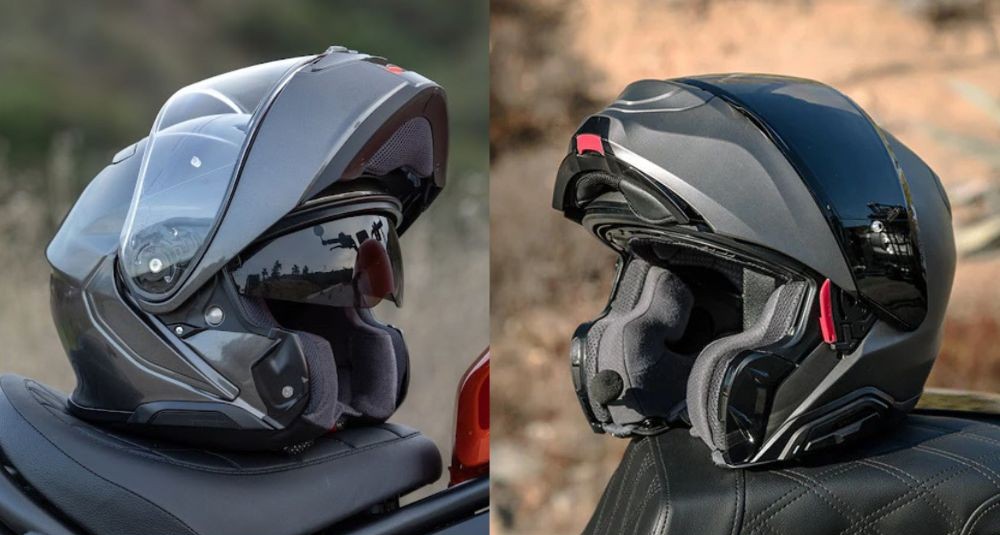
Shell construction also differs slightly. The Neotec 3 uses Shoei’s AIM composite (5-layer fiberglass and organic fibers) across 3 shell sizes. The RPHA 91 uses HJC’s PIM EVO (carbon-aramid, carbon fiber, fiberglass, organic fabric, and linen) across 4 shell sizes. More shell sizes generally means a more proportional fit for your head size, which can contribute to safety. Both helmets include emergency quick-release cheek pads.
Edge: Neotec 3 (SHARP rating), though the RPHA 91’s 4 shell sizes are a plus
Comms Integration
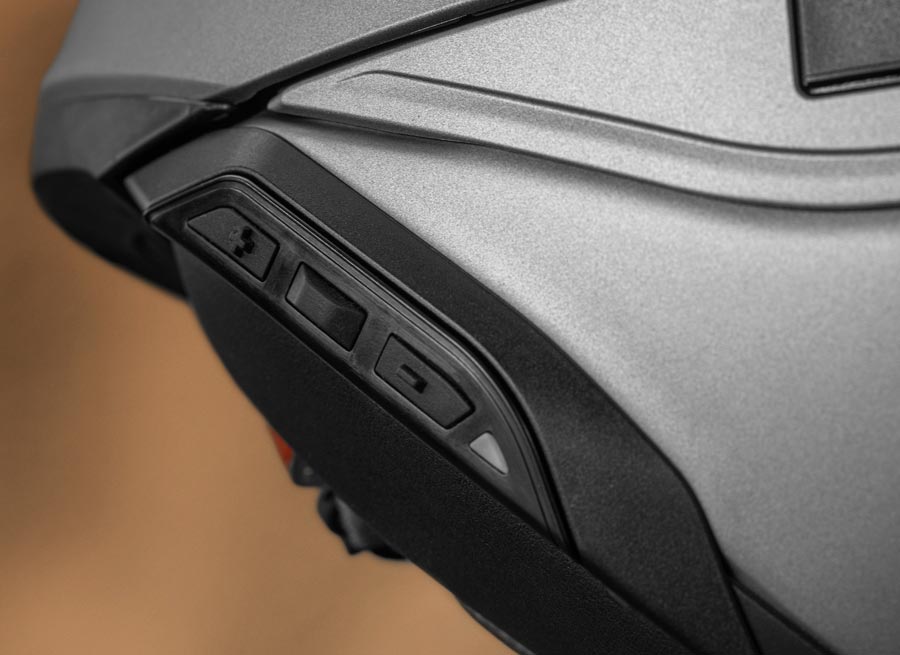
The Neotec 3 was co-designed with Sena for the SRL3 communication system. Wiring channels and battery recesses are molded into the shell, hidden behind the liner. The result is clean, integrated comms with no external bulk. You can also fit other comms units, but the SRL3 is the purpose-built option.
The RPHA 91 is ready for HJC’s Smart HJC 50B or 21B systems, also developed with Sena. Installation is straightforward, and the helmet has speaker pockets sized for the Smart HJC units. Third-party comms systems also fit, and some owners report an easier time fitting non-OEM units compared to the more tightly designed Neotec 3.
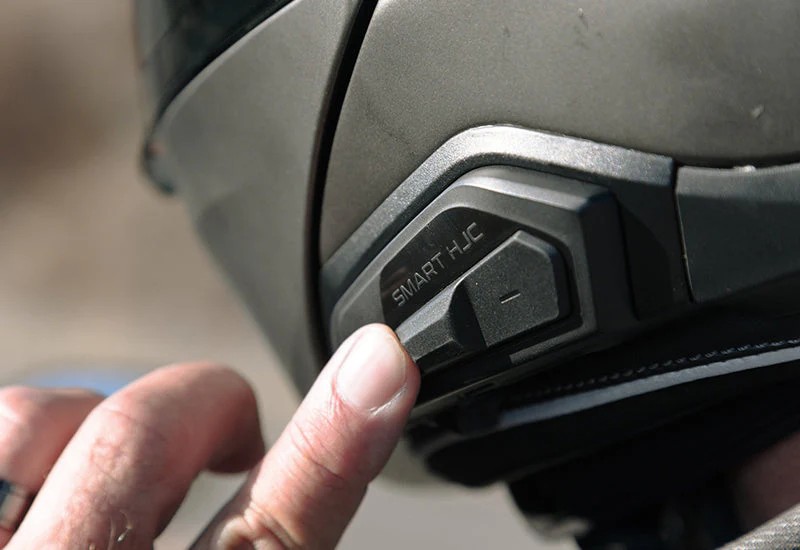
Both approaches work. If you’re committed to the Sena ecosystem and want invisible integration, the Neotec 3 is cleaner. If you want flexibility to swap comms units or try different brands, the RPHA 91 is more accommodating. For a deeper look at helmet comms options, check our best modular helmets roundup where we cover comms compatibility across the top picks.
Edge: Tie (depends on your preferred comms brand)
Value for Money: Is the Upgrade Worth It?
The Neotec 3 costs roughly $310 more than the RPHA 91 in solid colors. Here’s what that $310 gets you:
- A SHARP 5-star safety rating vs 4 stars.
- Measurably lower noise at highway speeds, thanks to a thicker neck roll, extended cheek pads, and wind-tunnel-optimized shell.
- Shoei’s handmade-in-Japan build quality, with tighter tolerances on visor operation, vent sliders, and chin bar mechanism.
- Shoei’s Personal Fitting System with optional pad thicknesses (5mm, 9mm, 13mm) for a truly custom fit. Not many modular helmets offer this.
- Sena SRL3 factory integration with invisible wiring channels.
What you give up by spending the extra $310: about a third of a pound (the RPHA 91 is lighter), a fourth shell size (HJC uses 4 vs Shoei’s 3), and stronger ventilation (the RPHA 91 moves more air). Oh, and $310.
If you tour frequently and noise fatigue wears you down, the Neotec 3 earns its price. You’re buying a helmet you’ll want to keep for 5+ years, and the build quality supports that kind of lifespan.
If you want a capable touring modular without approaching four figures, the RPHA 91 delivers ECE 22.06 safety, composite construction, respectable noise levels, and excellent ventilation for roughly two-thirds of the Neotec 3’s price. The money you save could go toward a comms unit, better earplugs, or fuel for the next trip. And for a look at how the RPHA 91 stacks up against the other premium option, see our C5 vs RPHA 91 comparison.
Good Alternatives
Schuberth C5 (~$850–900): The quietest modular helmet you can buy. If noise isolation is the single most important factor and you’re willing to sacrifice some ventilation, the C5 is the benchmark. Check out our deep-dive on this helmet.
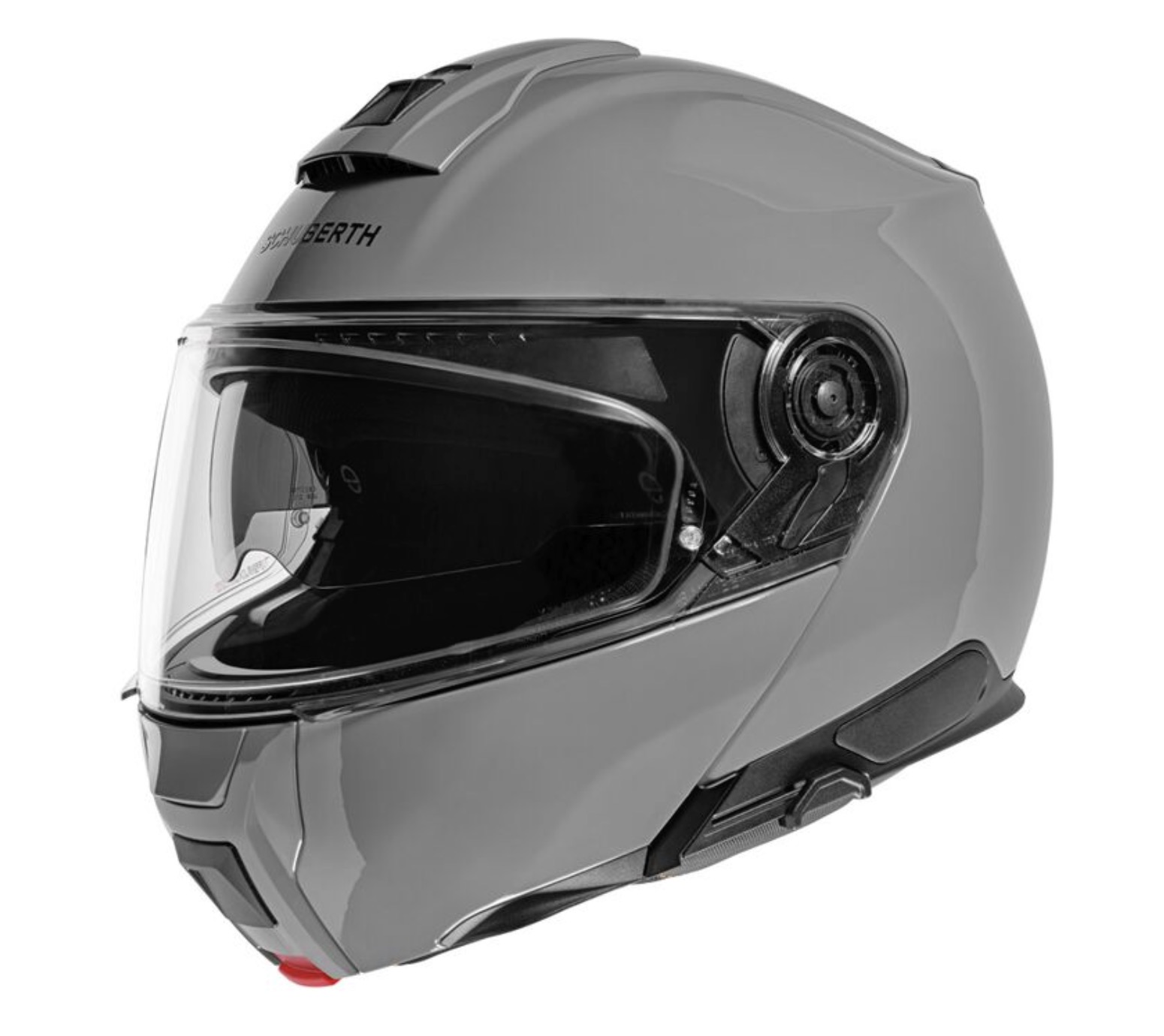
The quietest touring helmet money can buy, kitted out with all the features you expect for those long days in the saddle.
- Modular flip up chin bar
- Drop down sun visor
- Space for integrated comms unit
- Many colorway options
- DOT certified, with ECE in EU
- Heavier than most full-face helmets
- Visor mechanism needed refinement early on
AGV Tourmodular (~$800–850): A sportier modular with a carbon/aramid/fiberglass shell that claims zero dynamic weight at 130 km/h. If you mix sport-touring with your long-distance rides and want a lighter, more aerodynamic option.
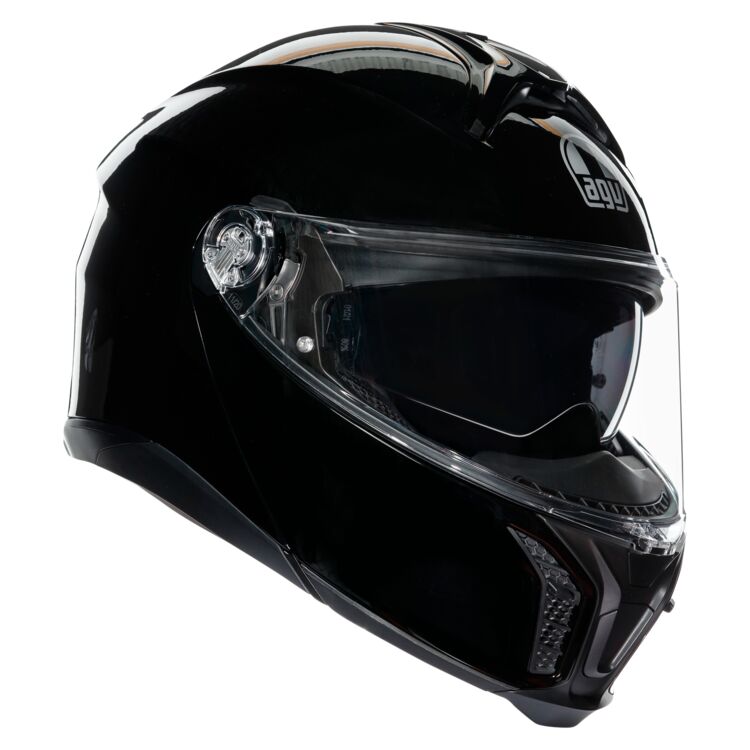
A premium modular helmet built for safety comfort and long-distance touring
- Lightweight carbon-aramid-fiberglass shell
- Wide 190° field of view enhances awareness
- Smooth, secure chin-bar flip-up mechanism
- Excellent ventilation and fog-resistant shield
- Eyeglass-friendly interior channels
- P/J lock hard to operate with gloves on
- Replacement cheek pads require tools before removal
Sedici Sistema 3 (~$350–430): If you want modular touring on a tight budget, the Sistema 3 punches above its weight with a fiberglass composite shell and clean operation. Not in the same league for noise or finish, but a fraction of the cost. It’s featured in our best modular helmets roundup.
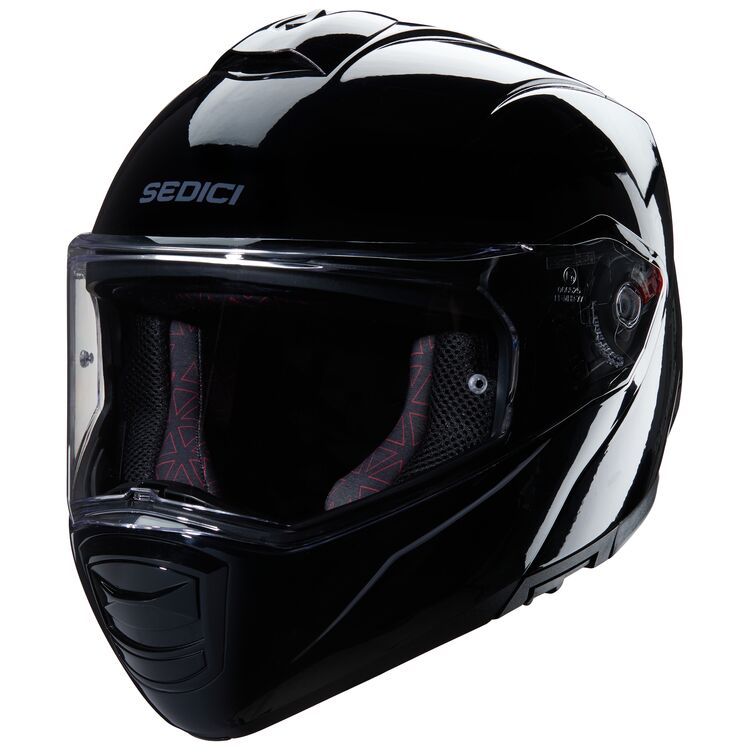
A lightweight modular helmet with features and build quality (like stainless steel visor components and seamless face shield gasket) of much more expensive lids.
- Strong & light fiberglass composite shell
- Close fit (5 EPS sizes and 3 shell sizes)
- DOT and ECE safety ratings
- Large speaker pockets
- Pinlock insert sold separately
FAQ
Is the Shoei Neotec 3 worth the extra money over the HJC RPHA 91?
It depends on what you value most. The Neotec 3 is quieter, has a higher SHARP safety rating, and has Shoei’s legendary build quality and custom fit options. If you’re logging serious highway miles and plan to keep the helmet for years, the premium pays for itself in comfort and durability. If ventilation and weight matter more, or if budget is a concern, the RPHA 91 delivers strong performance for $310 less.
Which helmet is quieter, the Neotec 3 or the RPHA 91?
The Neotec 3 is quieter. Shoei’s thicker neck roll, extended cheek pads, and wind-tunnel shell design make it one of the quietest modulars on the market. The RPHA 91 is quieter than most polycarbonate modulars (around 96 dB at highway speeds), but it lets a bit more wind through at higher speeds. For more quiet options, check our quietest modular motorcycle helmets guide.
Do both helmets fit intermediate oval heads?
Both are designed for intermediate oval head shapes, but they fit slightly differently. The Neotec 3 is a true intermediate oval with a snug cheek fit that loosens over break-in. The RPHA 91 leans slightly toward a longer oval, so riders with heads that are elongated front-to-back may find it more comfortable out of the box. Always try before you buy. Our helmet sizing calculator can help you narrow down the right size.
Can I use Cardo or other third-party comms with these helmets?
Yes, both helmets accept third-party comms units. The Neotec 3 is optimized for the Sena SRL3 (with molded-in channels), but Cardo and other systems fit with standard speaker pocket installation. The RPHA 91 is designed for HJC’s Smart HJC systems but is generally easier to fit with non-OEM units because its interior is less tightly sculpted around a specific comms unit.
Are both helmets safe to ride with the chin bar open?
Yes. Both carry P/J dual homologation under ECE 22.06, meaning they’re certified for riding in both the full-face (chin bar down) and open-face (chin bar up) configurations. The RPHA 91 includes a dedicated chin bar lock in the open position. The Neotec 3 holds its chin bar open through structural design with dual detents, which Shoei has confirmed meets ECE R22.06 requirements without an additional locking mechanism.
How do I know which size to buy?
Measure the circumference of your head at its widest point (just above your eyebrows and ears) with a soft tape measure. Then check the manufacturer’s size chart for each helmet. Head shape matters as much as size. If you’re between sizes, sizing down is usually better for noise and safety since cheek pads compress over time. Try helmets on in person whenever possible. Our helmet sizing calculator covers both Shoei and HJC sizing.
Best for quiet long-distance touring
|
Best for ventilated touring on a budget
|
A premium modular helmet built for long-distance comfort and low noise, with a smooth flip-up chin bar, tightly-sealing visor and wide drop down sun shade. Fits the SRL3 Sena comms system seamlessly. | A premium DOT-rated modular helmet combining composite‑shell strength with a smooth flip‑front, quiet ride and adjustable sun visor for long-distance touring comfort. |
|
|
|
|
A premium modular helmet built for long-distance comfort and low noise, with a smooth flip-up chin bar, tightly-sealing visor and wide drop down sun shade. Fits the SRL3 Sena comms system seamlessly.
- Comfortable wear all day
- Quiet, aerodynamic performance
- Flip-front convenience at stops
- Integrated comms & sun visor
- Faceshield lock is sometimes stiff
- Heavier weight may fatigue neck on long rides
A premium DOT-rated modular helmet combining composite‑shell strength with a smooth flip‑front, quiet ride and adjustable sun visor for long-distance touring comfort.
- PIM Evo shell delivers strong impact protection
- Adjustable drop-down visor handles changing light
- Quiet for a modular—~96 dB at speed
- Plush liner with adjustable cheek pads
- Slightly heavy compared to lighter modulars
- Chin bar lock can be finicky to operate with gloves