
Shoei GT-Air 3 vs Arai Contour-X: Which Is Better for Street Touring?
 Evan Rally
left for contents
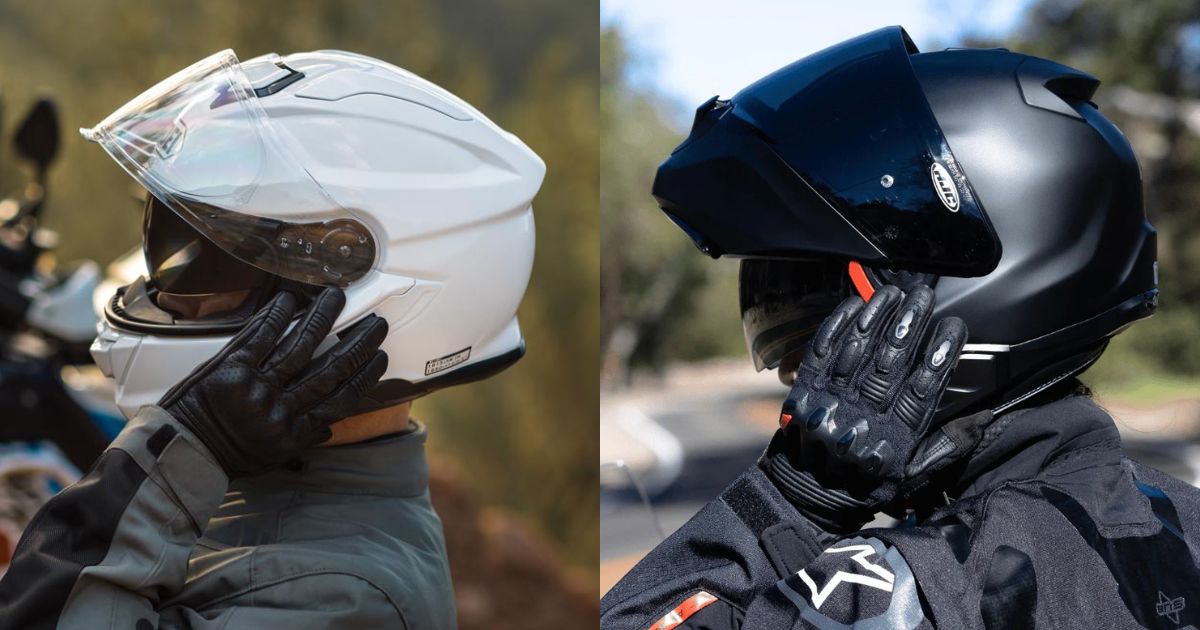
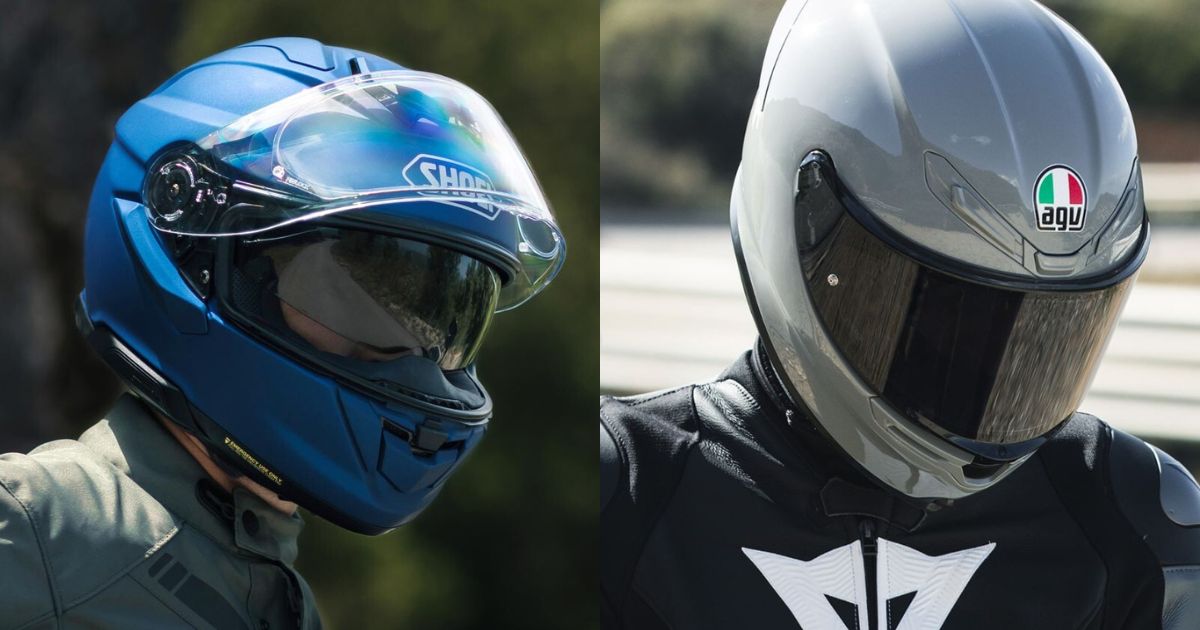
Two Japanese-made, hand-built, premium full-face helmets sitting at nearly the same price point. The Shoei GT-Air 3 gives you an integrated sun visor and wind-tunnel-optimized quiet. The Arai Contour-X counters with Snell certification, a half-pound weight advantage, and 13 ventilation ports. Here’s how they stack up when your riding life involves daily commutes and weekend blasts.
Buy the Shoei GT-Air 3 if you:
- Want a built-in drop-down sun visor for quick transitions between bright sun and tunnels or shade
- Plan to run the Sena SRL3 comms system and want a purpose-built, flush-mounting install
- Prioritize a whisper-quiet ride over maximum airflow

A premium touring helmet built to disappear on long rides: plush liner, adjustable vents, thick neck-roll and tight sealing visor for that sweet sweet silence and an optically-clear drop down sun shield. Fits the SRL3 Sena comms system seamlessly.
- Super quiet
- Wind tunnel molded for smoother ride (less fatigue)
- Eyeglass compatible
- Internal sun shade and Pinlock visor
- A bit heavier than carbon‑shell alternatives
- Ratchet strap may irritate throat
Buy the Arai Contour-X if you:
- Want DOT + Snell dual certification (M2025D) for maximum safety confidence
- Prefer a lighter helmet that reduces neck fatigue on long days (~3.34 lbs vs ~3.91 lbs)
- Need more ventilation for hot-weather riding, with 13 controllable ports
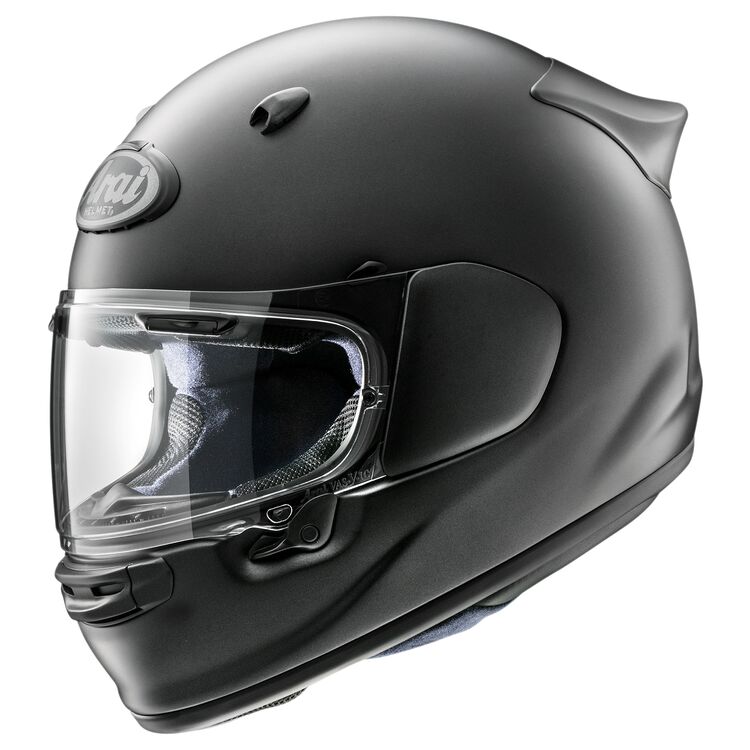
Combining race-derived aerodynamics with touring comfort, the Arai Contour-X delivers strong protection, excellent airflow, and a plush liner that keeps you cool and comfortable on both daily rides and long hauls.
- Unmatched comfort thanks to ultra-soft liner & roomy 5 mm flare at base
- Great ventilation: 7 intakes + 6 exhausts pull cool air & reduce heat build-up
- Aerodynamic shell & spoiler reduce buffeting at highway speeds
- Integrated speaker pockets & wire channel make comms setup clean & easy
- Shield locking mechanism is a bit finicky and takes getting used to
- Raised logo vent can be hard to operate when wearing thick gloves
The bottom line: The GT-Air 3 is worth the trade-off in weight if you care most about the sun visor and noise isolation. The Contour-X earns its keep if Snell certification and lighter weight are your priorities.
At-a-Glance: Specs & Price
| Specs | Shoei GT-Air 3 | Arai Contour-X |
|---|---|---|
| Weight | ~3.91 lbs / 1,775 g (medium) | ~3.34 lbs / 1,515 g (medium) |
| Fit/Shape | Intermediate Oval | Intermediate Oval |
| Shell/Materials | AIM (Multi-Ply Matrix fiberglass, organic fibers, resin); 3 shell sizes | PB-cLc2 (fiberglass with Super Fiber belt, Z-Compound resin); multi-shell |
| Safety/Cert | DOT (US); ECE 22.06 (Europe); 5/5 SHARP | DOT + Snell M2025D (US); ECE 22.06 (Europe as Quantic) |
| Ventilation | Chin vent (with insect filter), 2-stage forehead vent, 4 upper exhaust ports | 13 ports total: 7 intake (logo duct, 2 crown, 2 brow, chin), 6 exhaust (spoiler, 2 side, 3 neck) |
| Sun Visor | Yes, QSV-2 internal drop-down | No (optional Pro Shade accessory, sold separately) |
| Comms Readiness | Built-in pockets and wiring channels for Sena SRL3 | Speaker pockets + neck roll wire pocket; universal comms-ready |
| Visor System | CNS-1C shield, central locking, Pinlock EVO included | VAS MAX Vision shield, side latch, Pinlock included |
| Chinstrap | Stainless steel micro-ratchet | Double-D ring |
| Emergency Release | E.Q.R.S. cheek pad release | E.R.S. cheek pad release |
| Warranty | 5-year limited (Shoei) | 5-year limited (Arai) |
| Price (typical) | ~$750 solid / ~$880 graphic (as of early 2026) | ~$740 solid / ~$890–$950 graphic (as of early 2026) |
Who Each Product Is Built For
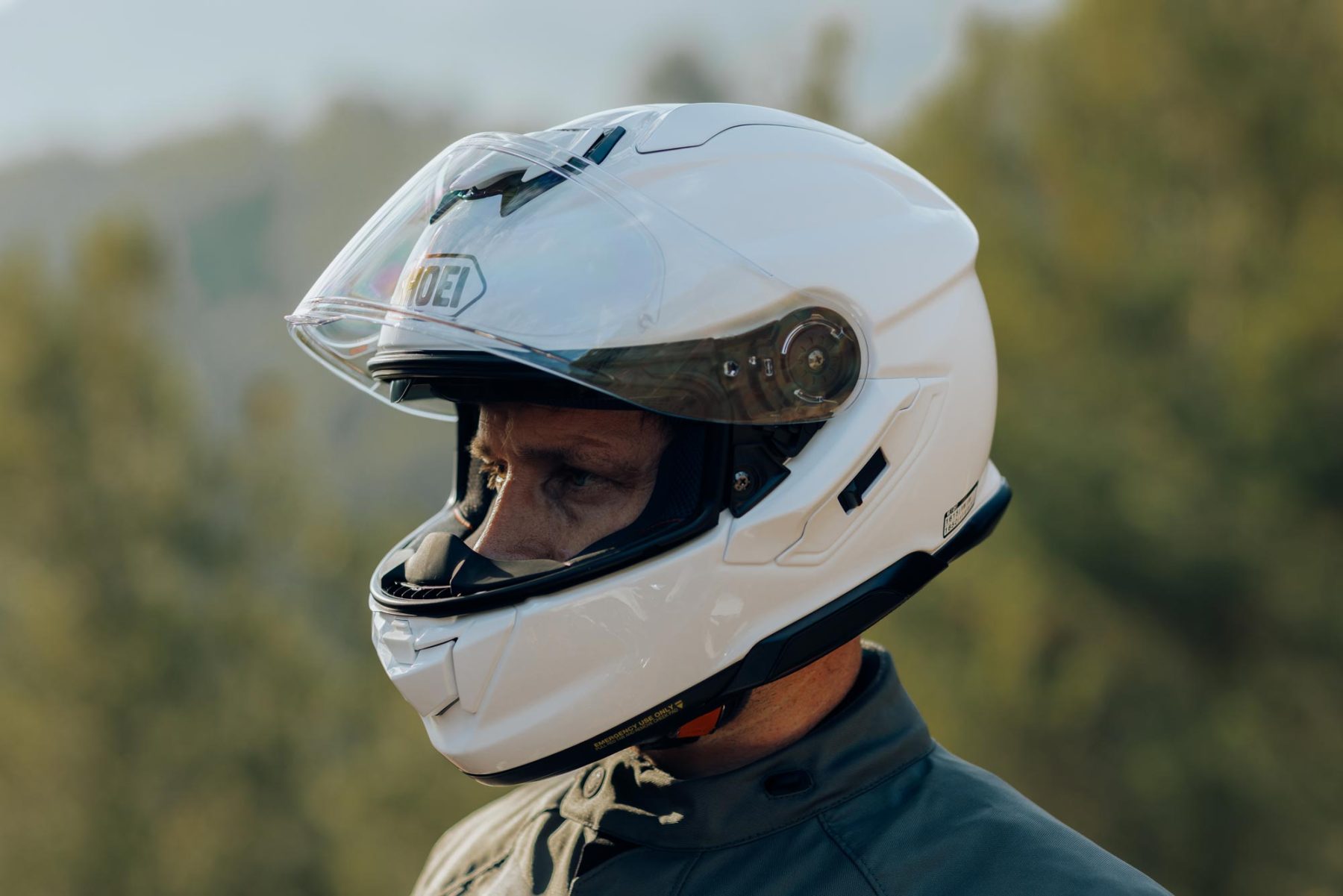
The Shoei GT-Air 3 Rider
- You ride year-round and hate fumbling with sunglasses at every overpass or tunnel. The drop-down QSV-2 visor handles sun transitions with a flick of a slider.
- Long highway days are your thing. Shoei wind-tunnel-tested this shell to reduce drag by 6% and lift by 11% compared to the GT-Air 2. It stays planted and quiet at 75 mph for hours.
- You plan to run the Sena SRL3 and want a flush, rattle-free install with pre-routed wiring channels. No sticky mounts, no wobble.
- You wear glasses and need a helmet that lets you slide frames in without a fight. I have been to the Shoei gallery many times in Japan to see helmets like the GT-Air 3 and the Neotec 3, and the eyeport clearance on this lid is generous.
The Arai Contour-X Rider
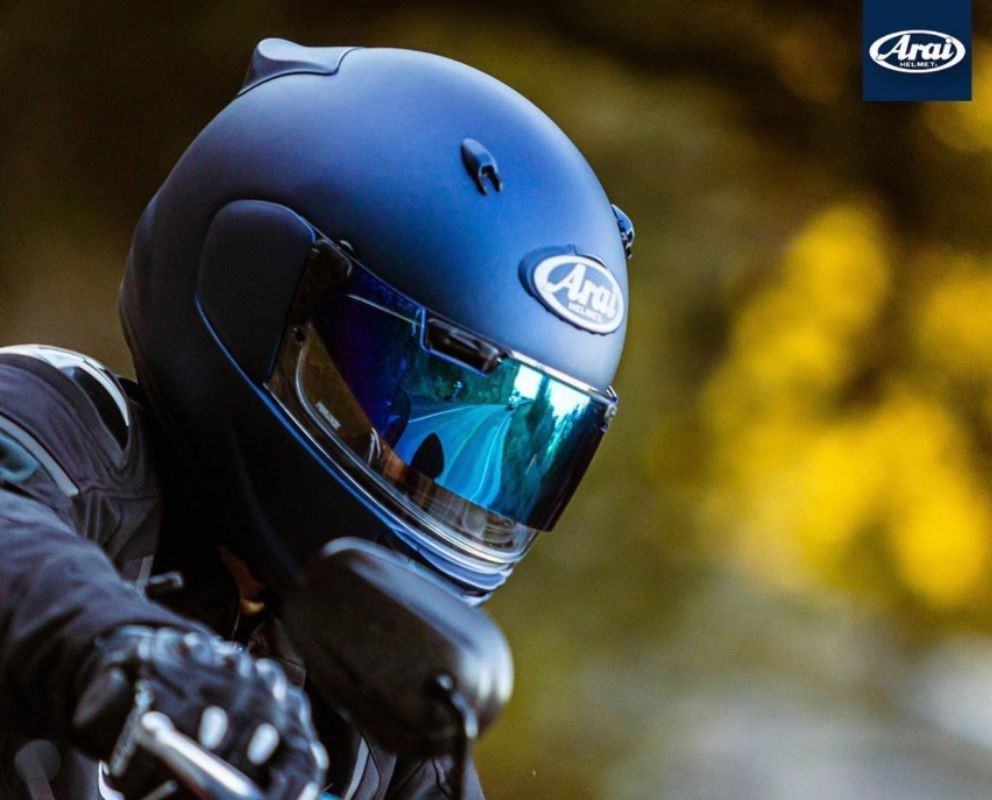
- Safety certifications are non-negotiable. You want DOT and Snell on the same helmet, and Arai certifies every North American model to Snell M2025D.
- Weight matters. At half a pound lighter than the GT-Air 3, the Contour-X puts less strain on your neck after six or eight hours in the saddle.
- You ride in hot climates and need airflow on demand. Thirteen controllable ports, including Arai’s 3D logo forehead vent, keep air moving even at city speeds.
- You prefer Arai’s smooth, round shell philosophy where every external element breaks away on impact. Each shell goes through five separate quality inspections during hand-assembly in Japan.
What Riders Report (Hands-on & Owner Feedback)
GT-Air 3 owners love:
- Noise isolation. This comes up in nearly every owner review. Multiple long-term testers call it one of the quietest full-face helmets they’ve worn. The reviewer we work with on our hands-on GT-Air 3 review said it’s the quietest Shoei he’s ever owned.
- Aerodynamic stability. Zero buffeting, lift, or oscillation at highway speeds. Invisible indentations along the shell smooth airflow in ways you can feel but can’t see.
- Sun visor clarity. The QSV-2 drops down with minimal fuss and provides wide, optically clear coverage.
- SRL3 integration. Owners who install the Sena SRL3 describe it as seamless. Speakers tuck into pre-formed pockets without pressing against ears, and the battery pack sits in a dedicated recess.
GT-Air 3 owners flag:
- Center visor tab. Moved from side to center. Harder to operate with thick gloves, and it blocks front-mounted camera installs.
- Inner visor fogging in cold weather. Around 40°F (4°C), moisture can fog the sun visor when retracted and redeployed. The Pinlock handles the main shield, but the sun visor doesn’t have one.
- Chin curtain tightness. Several owners report it feeling restrictive out of the box. Some remove it entirely.
- Weight. At nearly 4 lbs (4.05 with SRL3 installed), it’s heavier than many premium full-faces.
Contour-X owners love:
- Comfort from day one. Multiple owners call it the most comfortable helmet they’ve ever worn, right out of the box. Zero break-in required. The brushed nylon liner is soft without being spongy.
- Easy on/off. That 5mm flared base opening is a small spec on paper but a noticeable difference in practice. Riders with glasses especially appreciate the easier entry.
- Ventilation performance. Owner after owner mentions strong airflow, even at low and city speeds. The 3D logo vent pumps 40% more air at just 31 mph compared to having it closed.
- Lightweight feel. At 3.34 lbs, riders report less neck fatigue after long days compared to their previous helmets.
Contour-X owners flag:
- VAS visor mechanism. Riders unfamiliar with Arai’s latch system describe an adjustment period. The safety-oriented lifting latch takes a few rides to get used to, and some never fully warm to it.
- No integrated sun visor. The optional Pro Shade accessory adds sun protection but creates two color zones in your field of vision, which bothers some riders.
- Price of accessories. Replacement visors, the Pro Shade, and Pinlock inserts are all sold separately and aren’t cheap.
- Non-removable chin curtain. A handful of owners wish they could swap or remove it.
Head-to-Head by Category
Noise at Highway Speeds
The GT-Air 3 wins this one. Shoei’s wind-tunnel shell, integrated spoiler, and tight visor seal produce what many riders call the quietest non-modular Shoei ever made. It stays quiet even with the visor cracked to the first “city” detent.
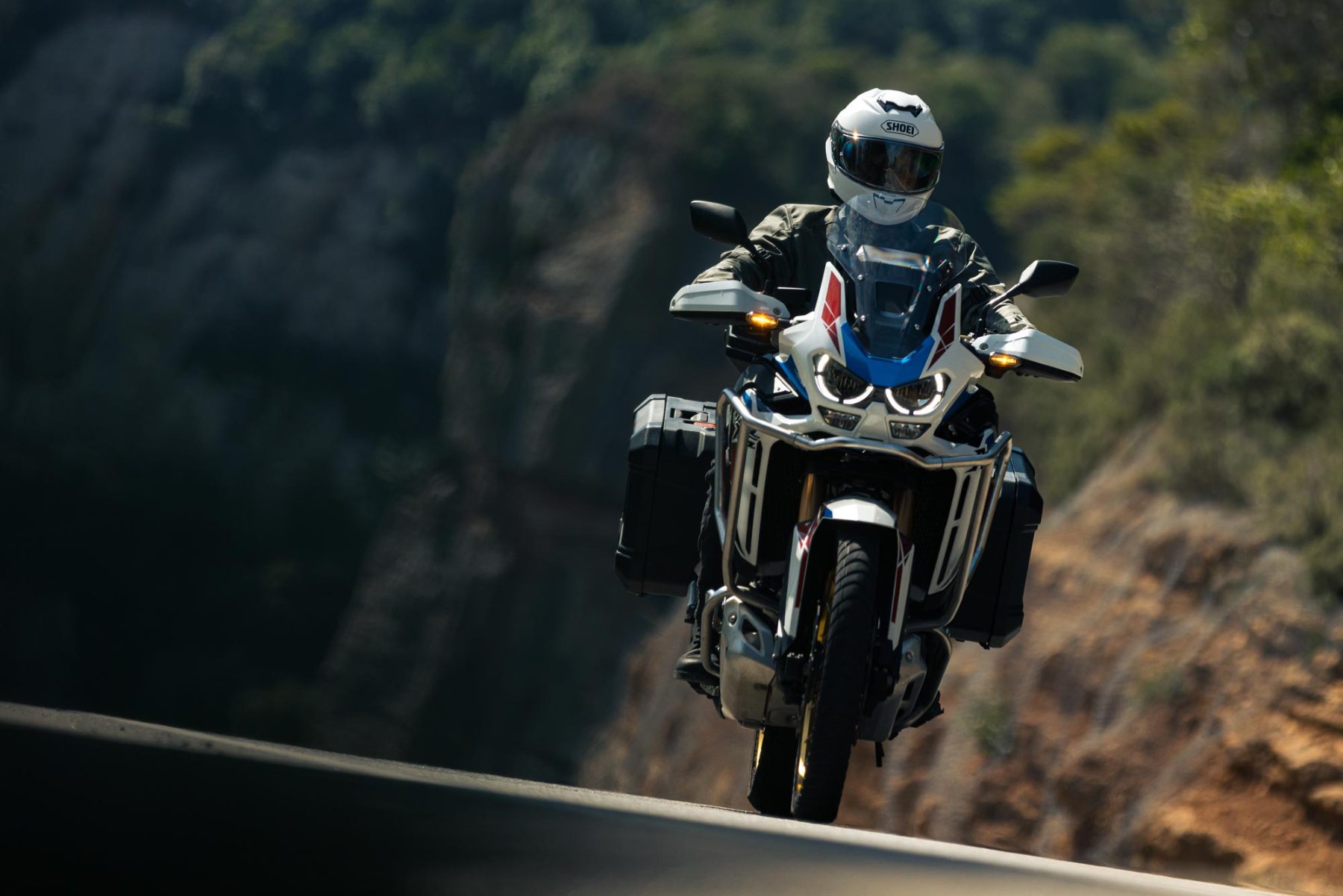
The Contour-X is respectable with everything closed, but 13 ventilation ports mean more noise when you open them up. If you want to cruise at 75 mph without earplugs feeling mandatory, the Shoei has the edge.
Weight & Fatigue
The Contour-X wins by half a pound: 3.34 lbs vs 3.91 lbs. Over a two-hour ride, you might not notice. Over a six-hour touring day, you will.
GT-Air 3 owners point out the weight sits low and the aerodynamic shell kills neck drag, so it doesn’t feel as heavy as the spec suggests. But if grams on the scale matter to you, the Contour-X has an undeniable advantage.
Ventilation in Heat
The Contour-X dominates with 13 controllable ports. The forehead logo vent alone channels 40% more air at just 31 mph. Riders consistently report strong airflow at city and highway speeds. For a deeper look, check our best ventilated helmets roundup.
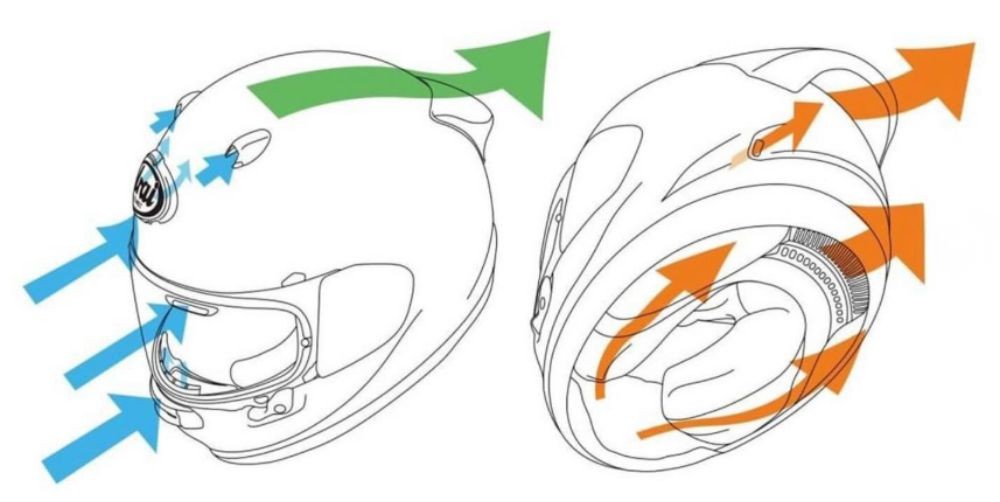
The GT-Air 3 moves plenty of air through its chin vent, two-stage forehead vent, and four exhaust ports, but the sun visor partially blocks airflow in extreme heat. If you regularly ride above 90°F, the Contour-X gives you more cooling options.
Visor & Sun Shield Usability
The GT-Air 3 takes this one thanks to its integrated QSV-2 sun visor. One slider on the lower left, instant sun protection. The CNS-1C main shield locks at center with firm detents and is optically excellent.
The Contour-X has no built-in sun visor. Arai omits one by design, citing concern about the gap between shell and EPS reducing protection. The optional Pro Shade accessory adds coverage but creates two color zones in your vision. If you transition between sun and shade daily, the GT-Air 3 makes it effortless.
Comms-Ready Fitment
The GT-Air 3 was engineered around the Sena SRL3 with recessed pockets, speaker cavities, and wiring channels. The result is flush, rattle-free integration.
The Contour-X has speaker pockets and a wire-management pocket in the neck roll, plus a flat Hyper Ridge mounting surface that works with most comms brands. Surface-mounted rather than hidden, but more brand-flexible. If you swap between Cardo and Sena depending on your riding crew, the Contour-X’s universal approach works in your favor.
Safety Certifications
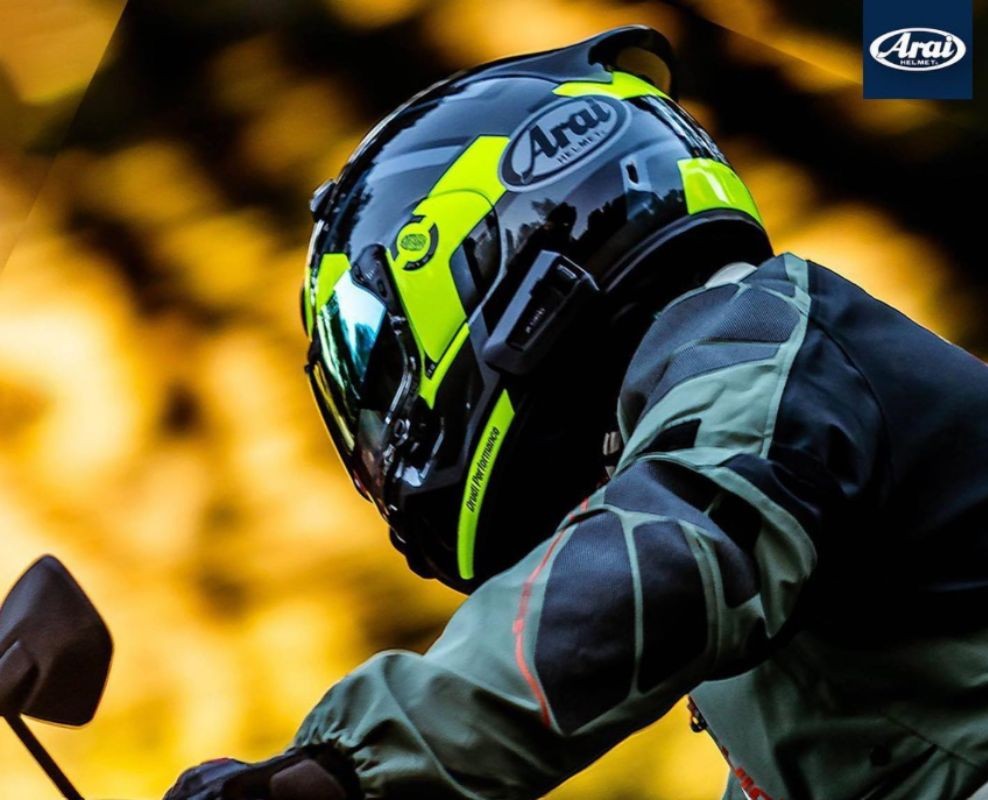
The Contour-X separates itself here. It carries DOT + Snell M2025D in North America. As of early 2026, Arai is the only brand with every US model certified to the latest Snell standard. The GT-Air 3 is DOT only in the US (ECE 22.06 with 5/5 SHARP in Europe).
Both use fiberglass composite shells with multi-density EPS. Their philosophies differ: Arai’s round R75 shape is built to glance off impacts with breakaway external components. Shoei focuses on aerodynamic shaping and multi-ply energy absorption. Both approaches work, but if dual certification matters, only the Contour-X delivers.
Value for Money: Is the Upgrade Worth It?
These two sit nearly on top of each other in pricing. Solids start at $740 (Contour-X) and $750 (GT-Air 3). So this isn’t an upgrade scenario; it’s about what you get for the same money.
Your ~$750 with the GT-Air 3 buys: a built-in sun visor, wind-tunnel-optimized noise reduction, purpose-built SRL3 comms integration, a micro-ratchet strap, and ECE 22.06 / 5-star SHARP ratings in Europe. You give up Snell certification, half a pound, and a few ventilation ports.
Your ~$740 with the Contour-X buys: DOT + Snell M2025D dual certification, a lighter shell, 13-port ventilation, five-QC hand-built construction, and universal comms compatibility. You give up the sun visor, dedicated SRL3 channels, and some noise isolation.
Neither helmet is overpriced. The decision comes down to sun visor convenience and quiet (GT-Air 3) versus Snell certification, weight, and airflow (Contour-X).
Good Alternatives
HJC RPHA 71 (~$500-$600): Integrated sun visor, lighter than both helmets, and $150-$200 less. Solid pick if $750+ stretches the budget.
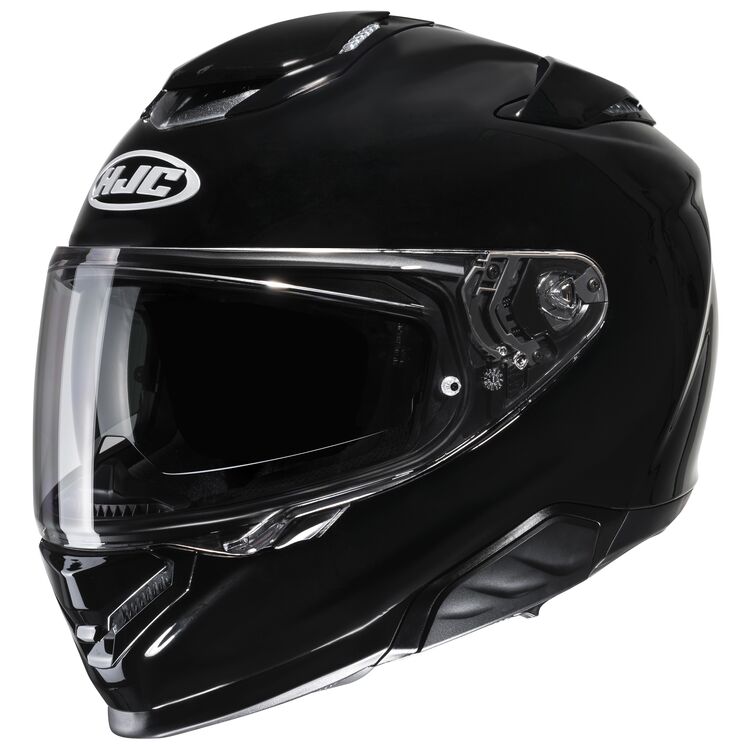
A lightweight sport-touring helmet combining performance, comfort, and sleek design.
- Aerodynamic shell with excellent stability at high speeds
- Advanced moisture-wicking interior with removable padding
- Integrated sunshield and Pinlock-ready face shield for versatile visibility
- Bluetooth system compatibility requires separate purchase
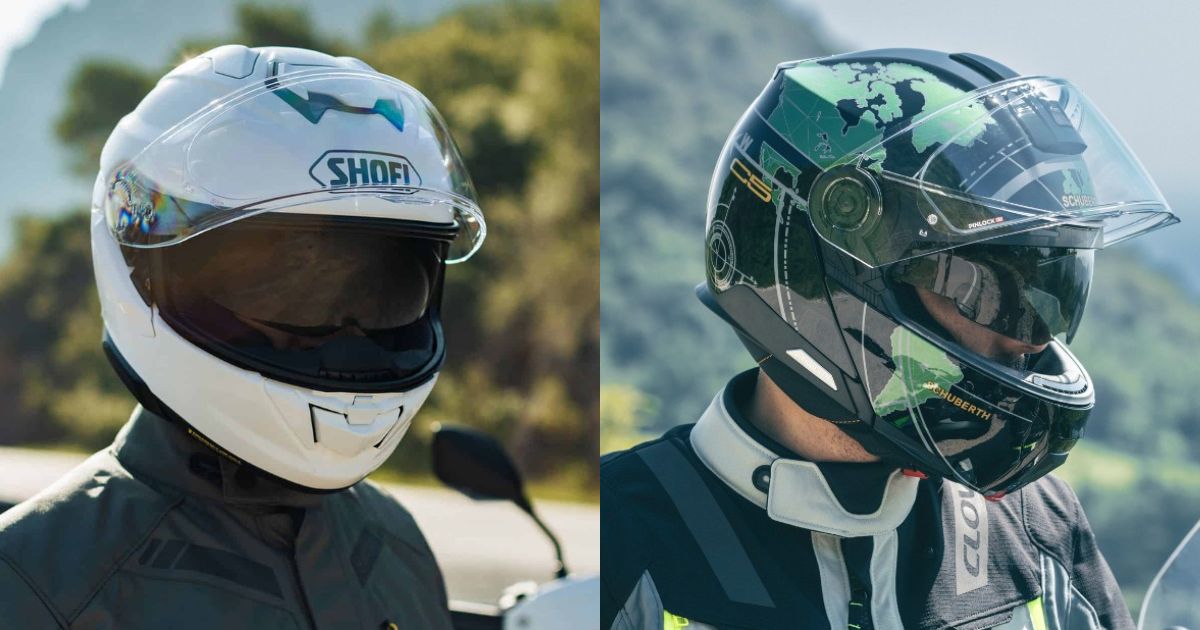
Schuberth S3 (~$700-$800): Tough to beat on noise isolation, with integrated comms readiness. Fit skews round oval, so try before buying.
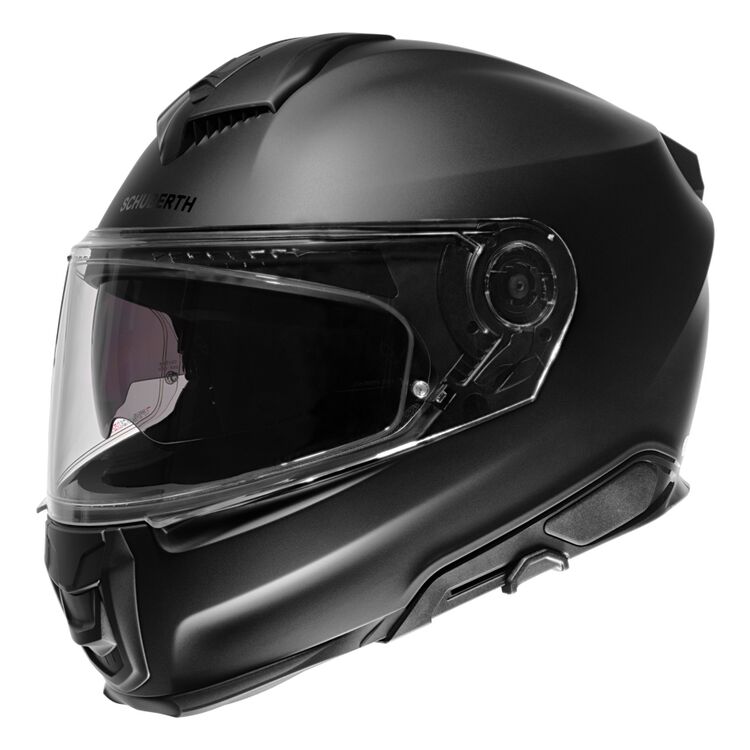
A premium full-face touring helmet offering exceptional comfort, quietness, and advanced ventilation for long-distance riders.
- Outstanding ventilation system
- Integrated SC2 communication system ready
- Exceptional optical clarity with Pinlock 120
- Customizable fit with Schuberth's Individual Program
- High-quality build and finish
- Sun visor could extend further down
- Tight fit when putting on due to snug neck roll
Shoei RF-1400 (~$650-$750): No sun visor, but Snell M2020D certified, lighter than the GT-Air 3, and about $100 less. See our deep dive of this helmet.
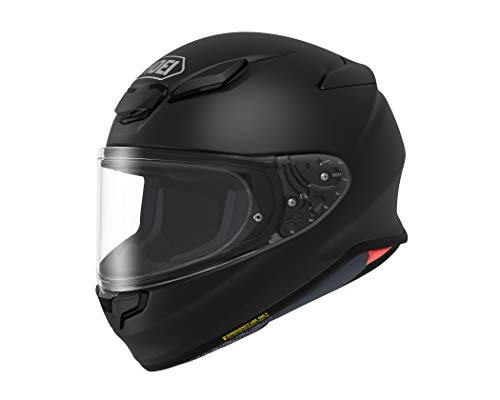
One of the top motorcycle helmets for street riding due to its incredible safety ratings, solid build construction, versatile shell for street and track riding, and reasonable price. Long term review here.
- Staff pick at Revzilla
- Quietest helmet on the market
- Excellent build quality
- Thick noise-sealing cheekpads
- Visor seal built like Fort Knox
- Snell certified for track use
- Lacking touring comfort features like drop down sun shield
FAQ
Is the Shoei GT-Air 3 Snell certified?
No. In North America, the GT-Air 3 carries only DOT. In Europe, it meets ECE 22.06 and scored 5/5 in SHARP testing. If you need Snell, look at the Contour-X (Snell M2025D) or the Shoei RF-1400 (Snell M2020D).
Does the Arai Contour-X have a built-in sun visor?
No. Arai omits internal sun visors, citing concern that the required gap between shell and EPS could reduce protection. You can add the optional Pro Shade accessory or wear riding sunglasses.
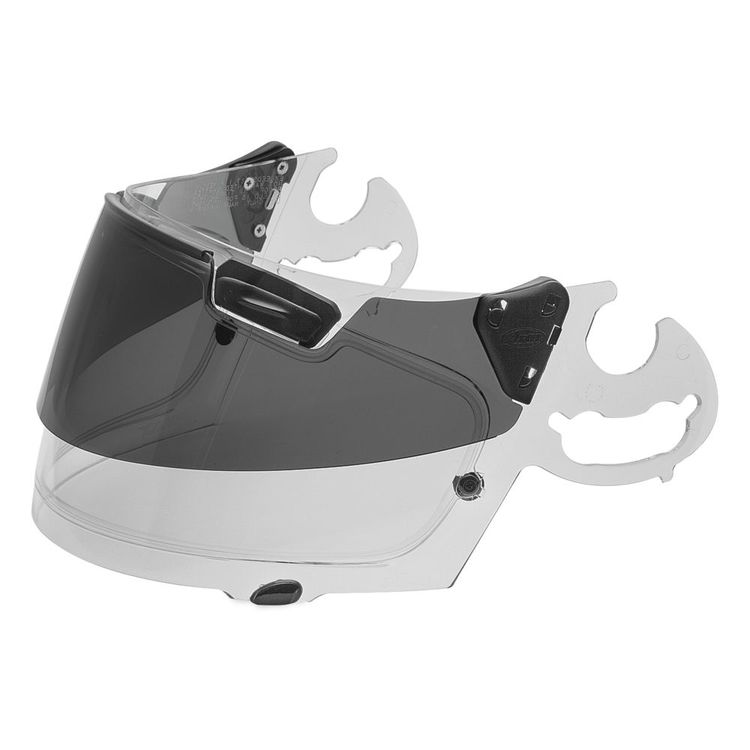
An external sun visor system that gives instant shade without reducing helmet protection. Flip it up or down as conditions change - no need to swap shields.
- Quick shade adjustment without stopping
- No impact on helmet safety or EPS thickness
- Multiple positions for changing light conditions
- Eliminates need to carry spare visor
- Can feel bulky compared to standard shields
- Some riders report minor wind noise or lift
Which helmet is quieter?
The GT-Air 3, by a noticeable margin. Its wind-tunnel shell and tight seal create a hushed ride at highway speeds. The Contour-X is respectable with vents closed but its 13-port design lets in more noise when opened. For more on quiet lids, see our best touring helmets guide.
Can I use any Bluetooth comms with these helmets?
Both accept aftermarket comms. The GT-Air 3 is purpose-built for the Sena SRL3 with hidden pockets and wiring channels. The Contour-X works with most brands via speaker pockets and a flat mounting surface, giving more brand flexibility.
What head shape do these helmets fit?
Both fit intermediate oval, the most common shape in North America. For long oval heads, try the Arai Signet-X. For round oval, look at the Arai Quantum-X. Not sure? Use our helmet sizing guide.
Are these helmets worth $750+?
Both justify the price through hand-built Japanese construction, fiberglass composite shells, multi-density EPS, emergency release systems, and 5-year warranties. If budget is a concern, our best motorcycle helmets list covers strong picks at every price.
Best for quiet sun-visor touring
|
Best for Snell-certified lightweight airflow
|
Description: A premium touring helmet built to disappear on long rides: plush liner, adjustable vents, thick neck-roll and tight sealing visor for that sweet sweet silence and an optically-clear drop down sun shield. Fits the SRL3 Sena comms system seamlessly. | Description: Combining race-derived aerodynamics with touring comfort, the Arai Contour-X delivers strong protection, excellent airflow, and a plush liner that keeps you cool and comfortable on both daily rides and long hauls. |
Pros:
| Pros:
|
Cons:
| Cons:
|
A premium touring helmet built to disappear on long rides: plush liner, adjustable vents, thick neck-roll and tight sealing visor for that sweet sweet silence and an optically-clear drop down sun shield. Fits the SRL3 Sena comms system seamlessly.
- Super quiet
- Wind tunnel molded for smoother ride (less fatigue)
- Eyeglass compatible
- Internal sun shade and Pinlock visor
- A bit heavier than carbon‑shell alternatives
- Ratchet strap may irritate throat
Combining race-derived aerodynamics with touring comfort, the Arai Contour-X delivers strong protection, excellent airflow, and a plush liner that keeps you cool and comfortable on both daily rides and long hauls.
- Unmatched comfort with ultra-soft liner & roomy 5 mm flare
- Strong airflow: 7 intakes + 6 exhausts reduce heat
- Aerodynamic shell & spoiler cut highway buffeting
- Speaker pockets & wire channel simplify comms setup
- Shield lock is finicky and takes getting used to
- Raised logo vent is tricky with thick gloves