
Best Snowmobile Jackets to Keep You Warm
 Evan Rally
left for contents
Snowmobiles bring smiles in waist‑deep powder – until wet snow or biting wind creeps through your gear and turns the ride into a miserable, dangerous slog. A snowmobile jacket is your barrier against frostbite, windburn and hypothermia.
The sad truth?
Many riders still believe any insulated coat will work for winter powersports.
They assume more insulation always means more warmth, that all jackets repel water equally and that shell jackets are pointless unless you’re backcountry skiing. These misconceptions don’t just lead to a bit of wasted money; they could lead to lost skin or wose when something goes wrong far from help.
We put together this list of the best snowmobile jackets to keep you and yours warm and dry. By the end you’ll know which jacket fits your riding style; whether you’re railing groomed trails, busting drifts in the backcountry or even logging long days exploring the wilderness.
If you want the fastest picks, our top 3 standout jackets deliver the best mix of warmth, weather protection, and performance.
Best Overall for Warmth 
|
Best for Technical Riding 
|
Most Versatile 
|
Delivers unmatched deep-winter warmth with Gore-Tex protection that stays dry even in blizzard conditions. | A lightweight, breathable shell that dumps heat fast and gives maximum mobility for technical mountain terrain. | The most versatile 3-in-1 option with stretch comfort, strong weather protection, and adjustable warmth for all-day multi-use riding. |
|
|
|
|
|
|
Delivers unmatched deep-winter warmth with Gore-Tex protection that stays dry even in blizzard conditions.
- Exceptional waterproof and windproof performance
- Zoned insulation delivers warmth where needed most
- Full pit-vents enable temperature control on the move
- Bulkier than typical touring jackets in mild conditions
- Limited ventilation compared to lighter shells
A lightweight, breathable shell that dumps heat fast and gives maximum mobility for technical mountain terrain.
- High mobility stretch shell adapts to active movement
- 10k/10k waterproof / breathable fabric keeps snow out
- Layer-friendly design lets you add insulation as needed
- Fixed alpine hood and goggle sham boost helmet-compatible ease
- No built-in insulation, so you’ll need mid-layers in cold weather
- Ventilation is modest — heavy exertion may feel warm
The most versatile 3-in-1 option with stretch comfort, strong weather protection, and adjustable warmth for all-day multi-use riding.
- Durable 5FLEX shell handles rough trail conditions
- Robust 400 g insulation balances warmth and weight
- Stretch panels boost comfort and rider movement
- Fully seam-taped with PFAS-free DWR for solid weather protection
- Ventilation is limited compared to a shell-only jacket
- Fit runs slightly bulky for minimalist layering
Picking the Right Snowmobile Jacket
Riders generally fall into three categories when it comes to jackets: insulated trail riders, uninsulated shell wearers, and hybrid or work‑to‑trail users. Here’s a quick overview of what matters:
- Waterproofing: Look for water‑resistant membranes (e.g., Gore‑Tex, 5TECH, Hydrashield) rated by millimeters (mm) for water resistance and grams per square meter (g/m²) for breathability. Higher numbers mean better moisture handling. For example, the Klim Klimate uses a Gore‑Tex performance shell with fully sealed seams to keep moisture out, while the Fly Outpost relies on a 10k/10k (10,000 mm waterproof / 10,000 g/m² breathable) membrane.
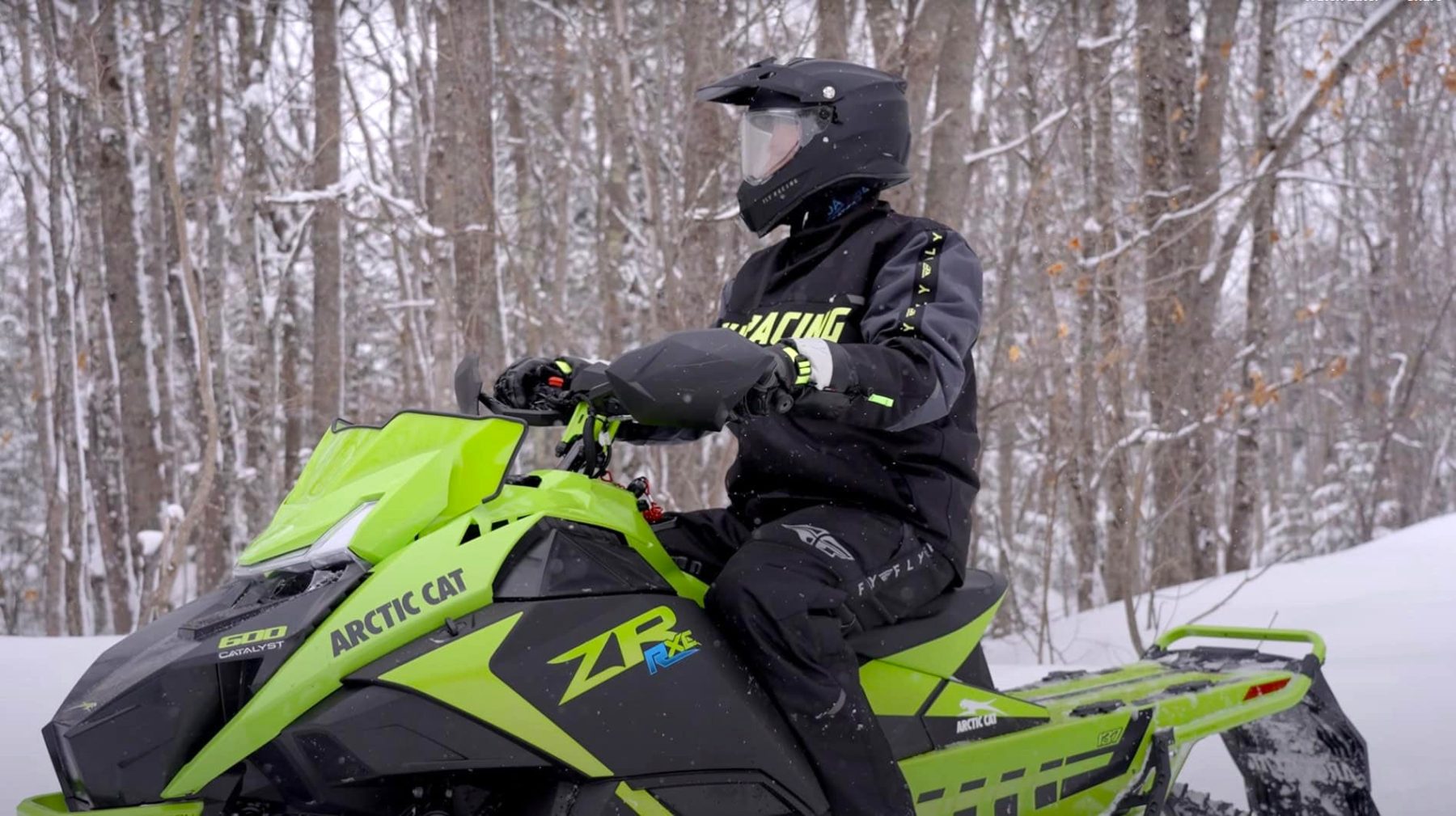
- Insulation: Most jackets use synthetic insulation measured in grams. Heavier insulation (200–260 g) keeps you warm on sub‑zero trail rides but can overheat during active riding. Lightweight jackets or shells allow flexible layering and are better for backcountry exploration.
- Ventilation: Zippered pit vents, side vents or breathable fabrics help dump heat. Even heavy jackets like the Klim Klimate offer full pit vents so you can regulate temperature without unzipping completely.
- Fit & Adjustments: Adjustable cuffs, hem drawcords, powder skirts and removable hoods help seal out snow and wind. Women’s‑specific designs typically provide a tapered waist and narrower shoulders for better fit.
- Safety & Features: Look for reflective material, tether D‑rings and goggle wipes. Jackets designed for work or trail safety often include D‑rings for attaching your snowmobile’s kill switch tether and high‑vis reflective elements for low‑light rides.
To round out your safety kit, pair your jacket with one of our top-rated snowmobile helmets.
With those basics in mind, let’s dive into the jackets that deserve a place on your sled this winter.
Best Overall Trail Jacket: Klim Klimate Jacket
Why it stands out
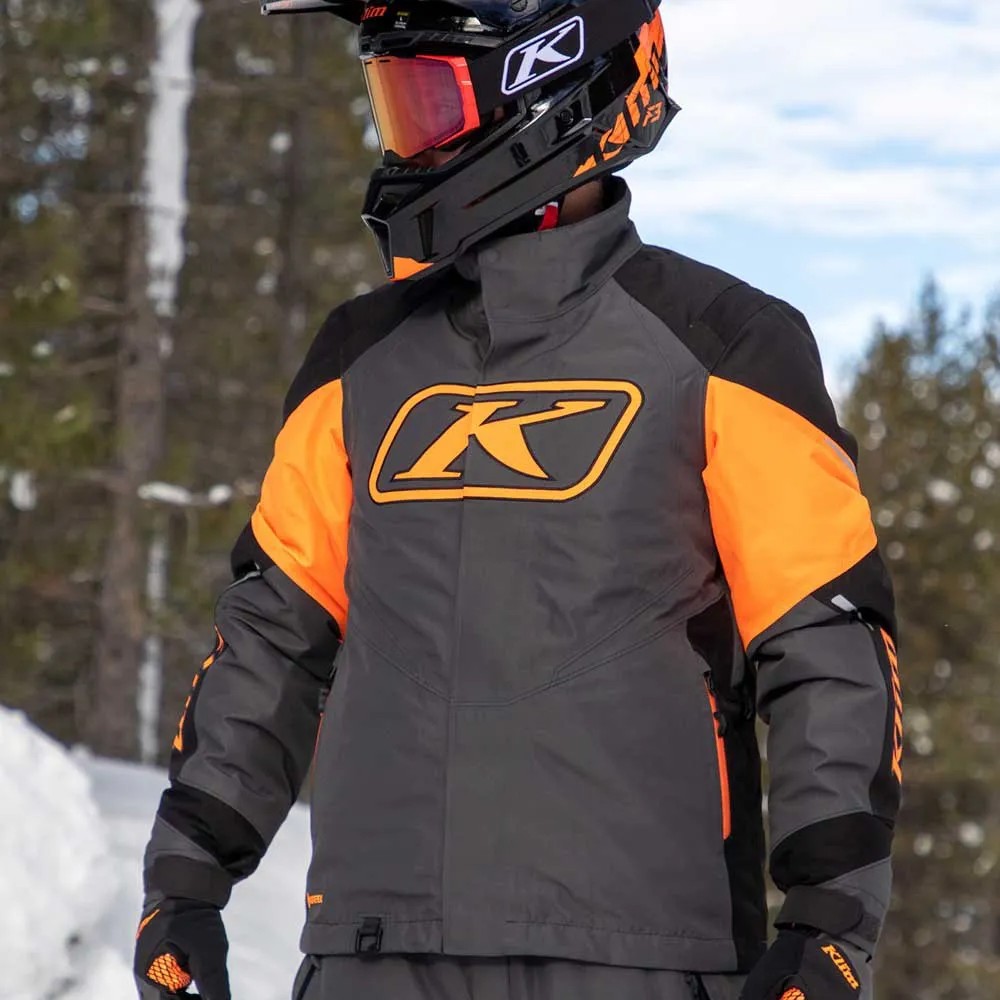
When you’re pounding groomed trails for hours in sub‑zero temperatures, nothing beats the Klim Klimate for warmth and weather protection. Klim redesigned the Klimate to handle long, high‑speed trail rides and blizzard‑like conditions. Its Gore‑Tex performance shell is both waterproof and breathable, and all seams are taped so slush and wet snow can’t sneak through. This jacket packs serious insulation — 260 g of 3M Thinsulate in the body and 220 g in the sleeves with 100 g around the collar — yet it never feels like you’re wearing a rigid, bulky parka.
Comfort and use
Riders consistently praise the Klim Klimate for its cold-weather performance. One sledder reported “no wet ass, no wet jacket or arms — it 100% works,” highlighting how well it stays dry in heavy snow. The 260g/220g Thinsulate insulation and Gore-Tex shell keep the jacket warm in deep-freeze conditions, with another rider saying it’s “great when it’s below zero.” The mesh hem, drainage cuffs, and full pit vents help manage moisture when you stop to dig out a sled or move around.
Its powder skirt, triple-flap placket, and thumb-hole cuffs seal out wind and drifting snow, and several riders said they never felt cold as long as they layered properly. Some note it can run warm for active backcountry climbs, but for long trail rides in frigid temps, the Klimate remains a go-to for dependable warmth and dryness.
Downsides and silver linings
At about 3.5 pounds with all its insulation, the Klimate is heavier than lightweight shells. But that weight is part of why the jacket stays planted at 80 mph on a windswept trail — it doesn’t flap or ride up. If you’re after a lighter feel, check out the Klim Kaos below, which trims insulation to 200 g and sheds weight.
Engineered for severe cold and wet conditions, this jacket uses a Gore-Tex shell with zoned 3M Thinsulate insulation to keep riders dry and warm without sacrificing mobility.
- Exceptional waterproof and windproof performance
- Zoned insulation delivers warmth where needed most
- Full pit-vents enable temperature control on the move
- Bulkier than typical touring jackets in mild conditions
- Limited ventilation compared to lighter shells
Best Lightweight Trail Jacket: Klim Kaos Jacket
Why it stands out
Think of the Kaos as the Klimate’s leaner, sportier sibling. It uses a 2‑layer Gore‑Tex performance shell, fully seam sealed and backed by Gore’s guarantee to keep you dry. The insulation drops to 200 g in the body and sleeves, which makes the jacket noticeably lighter while still providing enough warmth for typical trail riding. 3M Scotchlite reflective material and a triple front flap placket keep you visible and protected in low light and gusty winds.

Comfort and use
The Kaos has a slimmer fit than the Klimate and moves easily with your body. Side vents with a storm flap help dump excess heat when you’re hustling down a twisty trail. The powder skirt and adjustable collar lock out snow, and the goggle chamois is handy when your goggles fog up. The Kaos is ideal for riders who prefer an athletic feel and ride when temperatures sit just below the freezing mark rather than extreme deep‑freeze conditions.
Downsides and silver linings
Because it has less insulation, the Kaos may feel cool at rest in very low temperatures. The silver lining is that this jacket pairs well with heated gear or a mid‑layer; you get a lighter outer shell and can add layers as needed. If you run cold or regularly ride below 20°F, consider the Klimate above.
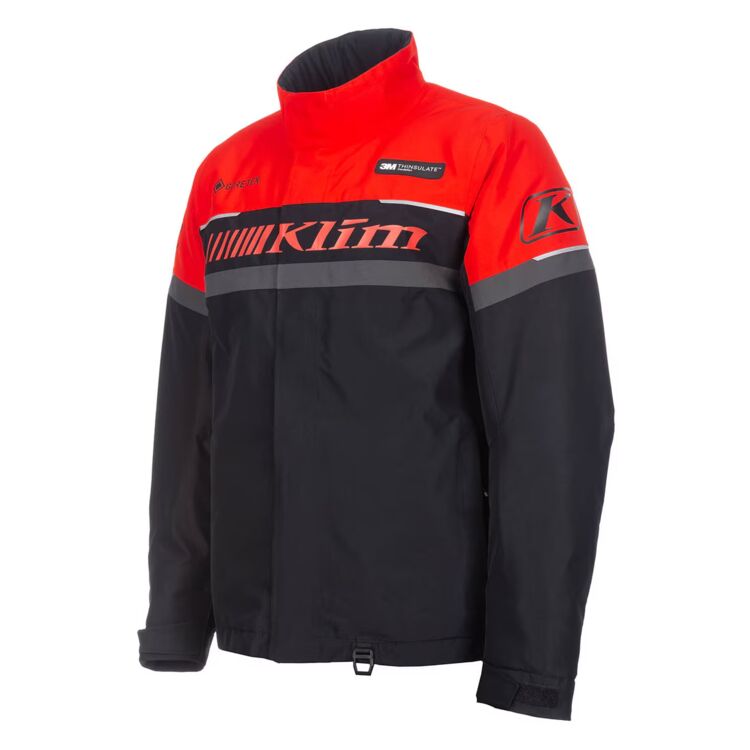
A streamlined, ultra-warm jacket built for fast, light trail riding—puts premium Gore-Tex and Thinsulate insulation to work to keep you dry and comfortable without bulk.
- Excellent warmth-to-weight ratio
- Fully waterproof Gore-Tex shell
- Drainage hem and sleeve cuffs keep you dry
- Slim fit with good mobility for active riding
- Less ventilation for high-output climbs
- Premium materials raise the cost slightly
Best Women’s Insulated Jacket: 509 Women’s Range Insulated Jacket
Why it stands out
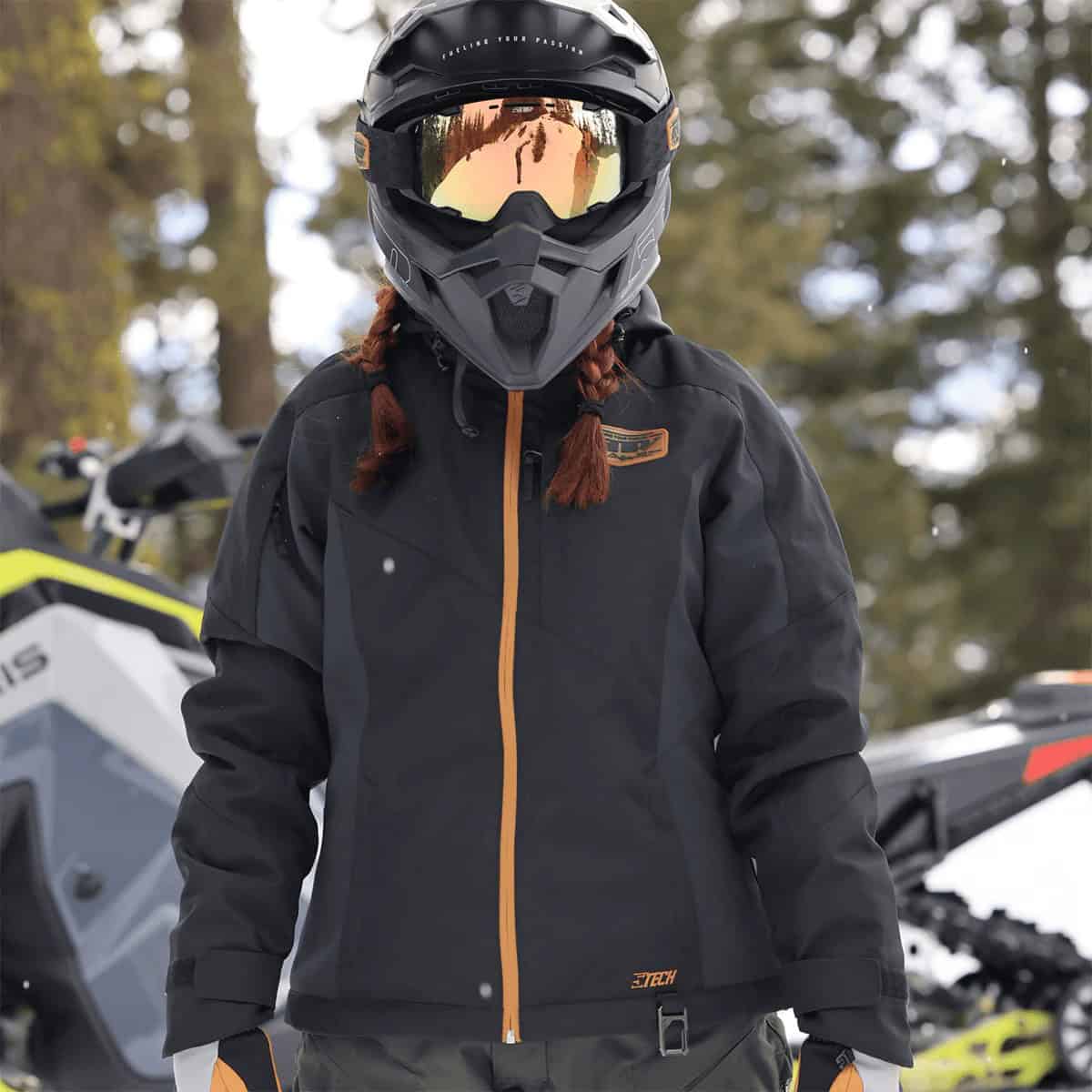
Too often women have to settle for men’s jackets that don’t fit right. The 509 Women’s Range Insulated Jacket uses a tailored pattern with extra room in the hips and chest so you aren’t swimming in excess fabric. Its 5TECH fabric blends 10k/10k Cordura 300D waterproof/breathable material with stretch panels for comfort. Thinsulate insulation delivers 200 g warmth in the body and 150 g in the arms, and reflective hits keep you visible when crossing dark trails.
Comfort and use
Riders note that the Range jacket feels plush thanks to its fleece‑lined collar and handwarmer pockets. The waterproof zippers and magnetic chest pocket keep your phone and trail map dry, and full pit zips let you cool down during energetic rides. A removable hood gives you extra warmth when off the sled, and the snow skirt keeps drifts from creeping up your back. The jacket ships with multiple color options from vivid teal to stealthy black, and RevZilla lists it as in stock in sizes XS to XL for 2026.
Downsides and silver linings
The Range’s insulation is targeted for recreational trail riding, so backcountry explorers may find it too warm during strenuous ascents. If you need more breathability, you could choose the Klim Alpine shell (covered later) and layer a women’s‑specific puffy underneath for customizable warmth. The Range also lacks the full 360° reflective material of Klim jackets; however, its subtle reflective logos still catch headlights.
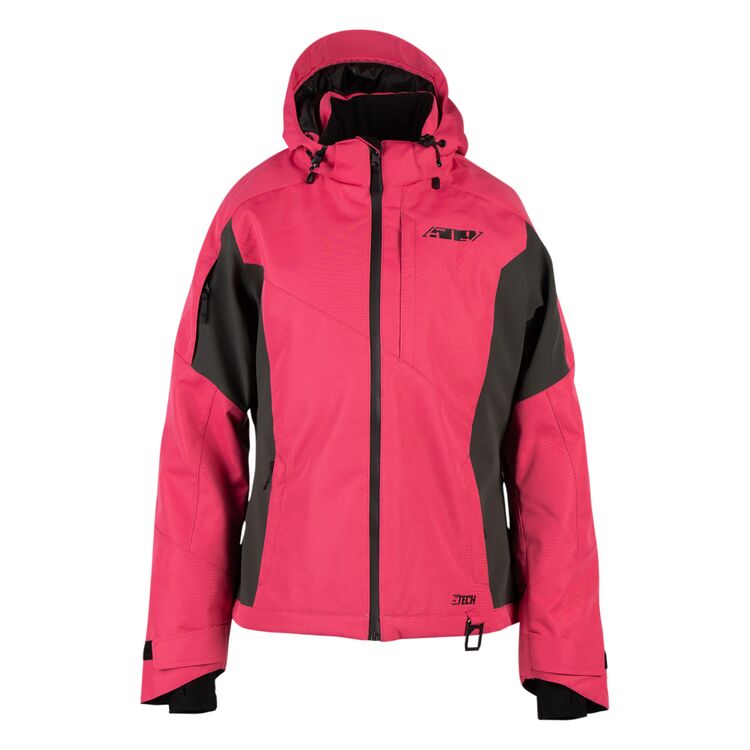
A women-specific winter riding jacket that blends rugged waterproof materials with tailored mobility—keeps you warm and dry while moving comfortably on the sled.
- Tailored women’s fit that reduces excess fabric
- Waterproof 10k/10k shell withstands wet snow
- Stretch panels in shoulders/waist boost freedom of movement
- Insulation focused on body keeps core warm, arms freer
- Less insulation in sleeves may feel cool in extreme still conditions
- Pit-zip ventilation is limited compared to full shells
Best Hybrid/3‑in‑1 Jacket: 509 Allied Insulated Jacket
Why it stands out
Some days you’re blasting trails; others you’re exploring meadows or chopping firewood at camp. The 509 Allied Insulated Jacket blends an insulated coat and a shell into one piece. Its 5FLEX stretch fabric with a 10k/10k membrane and PFAS‑free durable water repellent keeps you dry and moves with you. The Allied uses a combined 400 g of insulation (300 g quilted plus 100 g Synloft) for warmth without the marshmallow feel. You get YKK Aquaguard zippers, a removable hood, wrist gaiters, a goggle sham pocket, and zippered vents.

Comfort and use
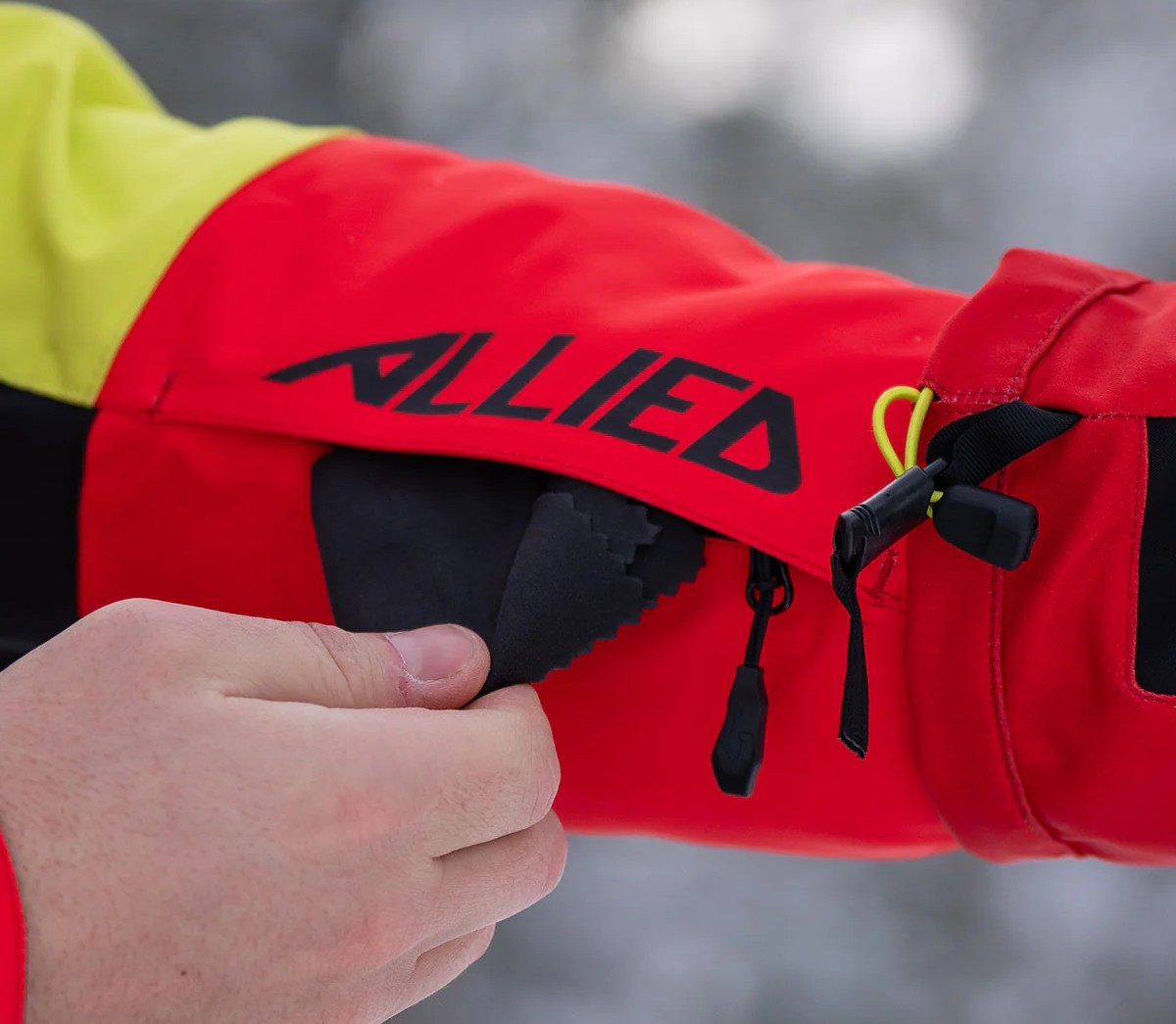
The Allied’s biggest advantage is versatility. On frigid mornings the quilted insulation traps heat while the shell’s stretch panels keep you from feeling restricted. As the day warms, large pit and side vents help you regulate temperature. Riders appreciate the goggle sham pocket, a built‑in cloth that wipes off snow and fog without scratching lenses. Because the jacket uses a robust DWR coating, water beads off rather than soaking in, so you don’t feel clammy after breaking through slush.
Downsides and silver linings
The Allied is heavier than a pure shell and may be too warm for spring riding. For those days, consider the 509 Evolve 2.0 Jacket below — a shell that can be layered to match conditions. Some riders also mention that the Allied fits a bit large; the silver lining is that you can comfortably wear a mid‑layer without feeling constricted.
A rugged, insulated trail jacket with durable 5FLEX stretch material and targeted 400 g insulation that keeps you warm in cold rides without sacrificing mobility.
- Durable 5FLEX shell handles rough trail conditions
- Robust 400 g insulation balances warmth and weight
- Stretch panels boost comfort and rider movement
- Fully seam-taped with PFAS-free DWR for solid weather protection
- Ventilation is limited compared to a shell-only jacket
- Fit runs slightly bulky for minimalist layering
Best Shell for Backcountry Riding: 509 Evolve 2.0 Jacket Shell
Why it stands out
If you spend your days side‑hilling, climbing and burning calories in the backcountry, insulation becomes a liability. You want a high‑performance shell that keeps snow out but lets moisture escape. The 509 Evolve 2.0 is that shell. It uses 5FLEX 10k/10k stretch fabric with a PFAS‑free DWR coating and fully taped seams. An air mesh lining helps prevent clammy buildup, and YKK Aquaguard zippers ensure pockets and vents stay watertight.

Comfort and use
The Evolve 2.0 has large chest vents and pit zips to dump heat quickly when you’re carving uphill or digging out a stuck sled. Its fixed hood fits over most helmets for quick protection when you stop, and the goggle sham pocket stores a wipe to keep your optics clear. Because it’s uninsulated, you can layer a mid‑layer or heated vest underneath for frigid conditions or strip down to a thin base layer during spring riding. Riders love the freedom of movement thanks to the stretch fabric and articulated pattern.
Downsides and silver linings
An uninsulated shell won’t keep you warm on its own during extended trail sections at below freezing temperatures. The silver lining is that you control the warmth through layering — pair it with a down or synthetic puffy for warmth when needed. The Evolve also lacks a snow skirt, so those who ride in deep powder may want to add bibs or suspenders to prevent snow intrusion.
A rugged, uninsulated shell built for aggressive riding, the Evolve 2.0 delivers stretch, waterproof protection and reliable weather armor so you can layer your warmth your way.
- High mobility stretch shell adapts to active movement
- 10k/10k waterproof / breathable fabric keeps snow out
- Layer-friendly design lets you add insulation as needed
- Fixed alpine hood and goggle sham boost helmet-compatible ease
- No built-in insulation, so you’ll need mid-layers in cold weather
- Ventilation is modest — heavy exertion may feel warm
Best Value Insulated Jacket: Fly Racing Outpost Jacket
Why it stands out
Not everyone can justify top‑shelf Gore‑Tex pricing. Fly Racing’s Outpost jacket strikes a sweet spot between performance and price. It uses Hydrashield weatherproof technology with a 10k/10k membrane and a durable water‑repellent coating. Cordura panels on the shoulders add abrasion resistance. Insulation consists of 200 g in the body and 150 g in the sleeves, enough for most trail rides. A microfleece collar and beard flap feel soft against your skin, and reflective panels increase visibility.

Comfort and use
The Outpost’s large 2Cool Air Vents and YKK zippers deliver reliable performance, with a high collar and drop-tail hem that block drafts while riding. Its Hydrashield membrane and 200 g/150 g insulation handle heavy, wet snow without the premium Gore-Tex price. Testers found the fit generous yet not oversized and appreciated the Cordura shoulder panels and glove-friendly zipper pulls.
Downsides and silver linings
The Outpost’s Hydrashield membrane isn’t as breathable as Gore‑Tex or 5TECH fabrics, so you may feel damp after intense exertion. The silver lining is that the jacket costs hundreds less and still offers solid performance. If you want more breathability and a premium feel, move up to the Klim Kaos or 509 Allied. Fly Racing also gives you a stout value proposition: despite its moderate price, it uses Cordura in high‑wear areas and has YKK zippers — features often missing from entry‑level jackets.
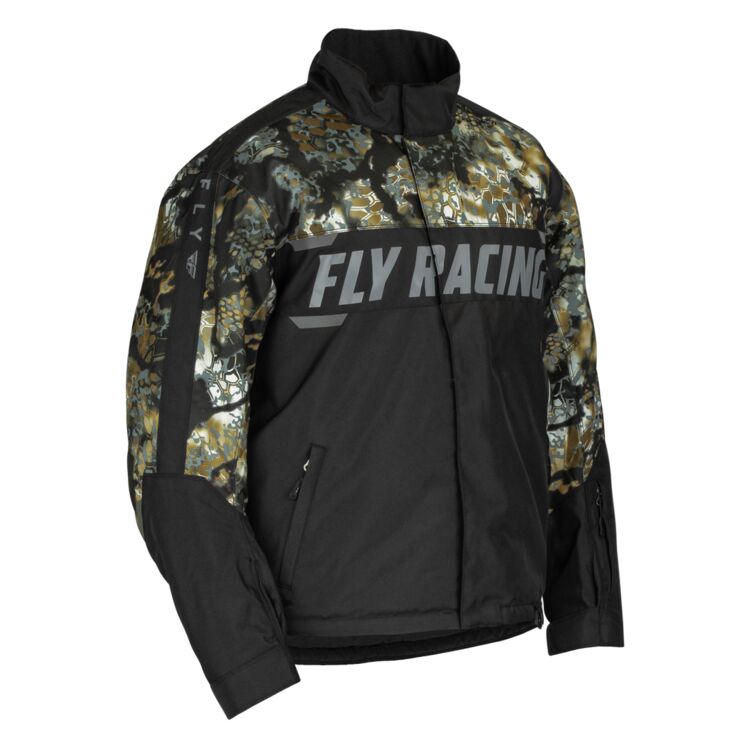
A rugged trail jacket that provides dependable warmth and weatherproofing, making it a strong choice for long days in wet or heavy snow conditions.
- Reliable protection in wet, slushy conditions
- Warm insulation ideal for cold-trail riding
- Roomy fit allows layering without bulk
- Durable Cordura panels resist abrasion
- Ventilation is limited for high-output activity
- Some riders reported zipper durability concerns
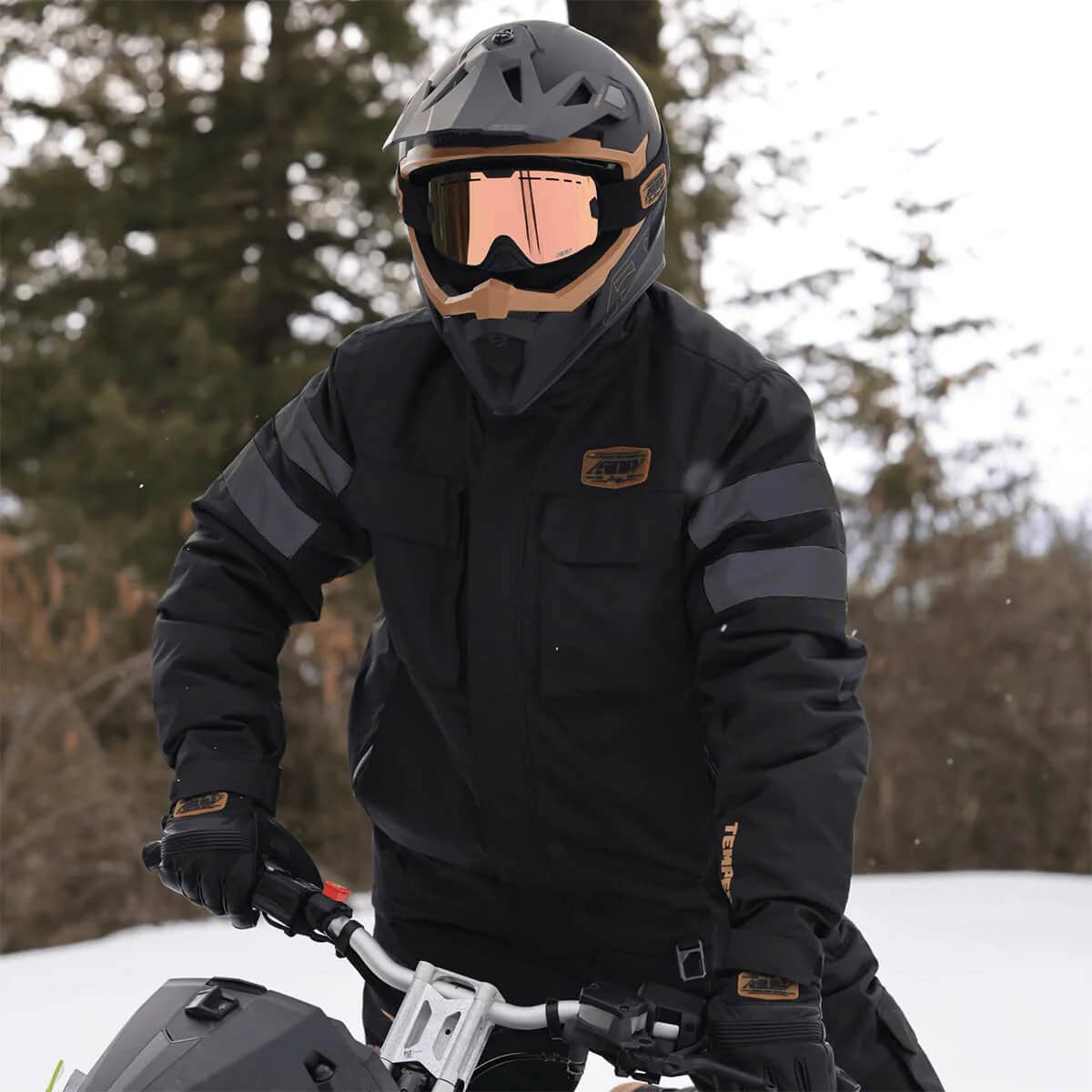
Best Work‑to‑Trail Jacket: 509 Temper Insulated Jacket
Why it stands out
Some riders work in their jackets — plowing roads, cutting firewood or managing ice fishing huts — and need heavy‑duty durability. The 509 Temper Insulated Jacket uses tough 300 D tempered fabric laminated to a 10k/10k membrane. It’s built for daily wear, with YKK Aquaguard zippers, a safety D‑ring, huge cargo pockets and Velcro cuff adjustments. Insulation is 200 g in the body and 180 g in the arms, striking a balance between warmth and mobility.
Comfort and use
The Temper jacket’s durable face fabric shrugs off brush and rope fray. Massive chest and cargo pockets let you store tools, gloves and snacks. The speed cinch cuffs create a weather‑tight seal that’s easier to operate with gloves than fiddly velcro. For snowmobilers who sometimes need to hop off and dig out stuck machines or cut fallen trees, this jacket’s rugged build is a lifesaver. And thanks to the 10k/10k membrane, it still provides good weatherproofing and breathability, even if the waterproof rating is lower than Gore‑Tex.
Downsides and silver linings
The Temper’s heavy fabric isn’t as supple as the stretch material used in 509’s Allied or Evolve jackets. You trade some mobility for durability. If flexibility matters more than abrasion resistance, go with the Allied. On the upside, the tempered fabric means this jacket lasts for years even under daily abuse, saving you from replacing jackets frequently.
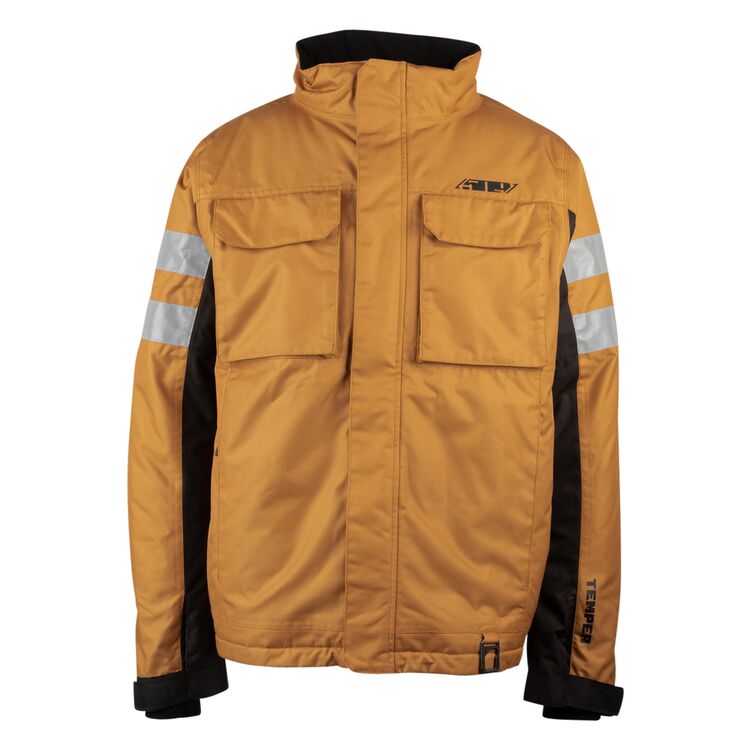
A rugged snow-riding jacket built for work or trail, offering durable 300 D fabric, 10 k/10 k weatherproofing and 200 g insulation to keep you warm and dry under heavy use.
- Tough fabric holds up to heavy use
- Solid weather protection in wet snow
- Warm insulation for cold conditions
- Functional pockets and tether D-ring
- Bulkier feel reduces mobility
- Limited ventilation for active rides
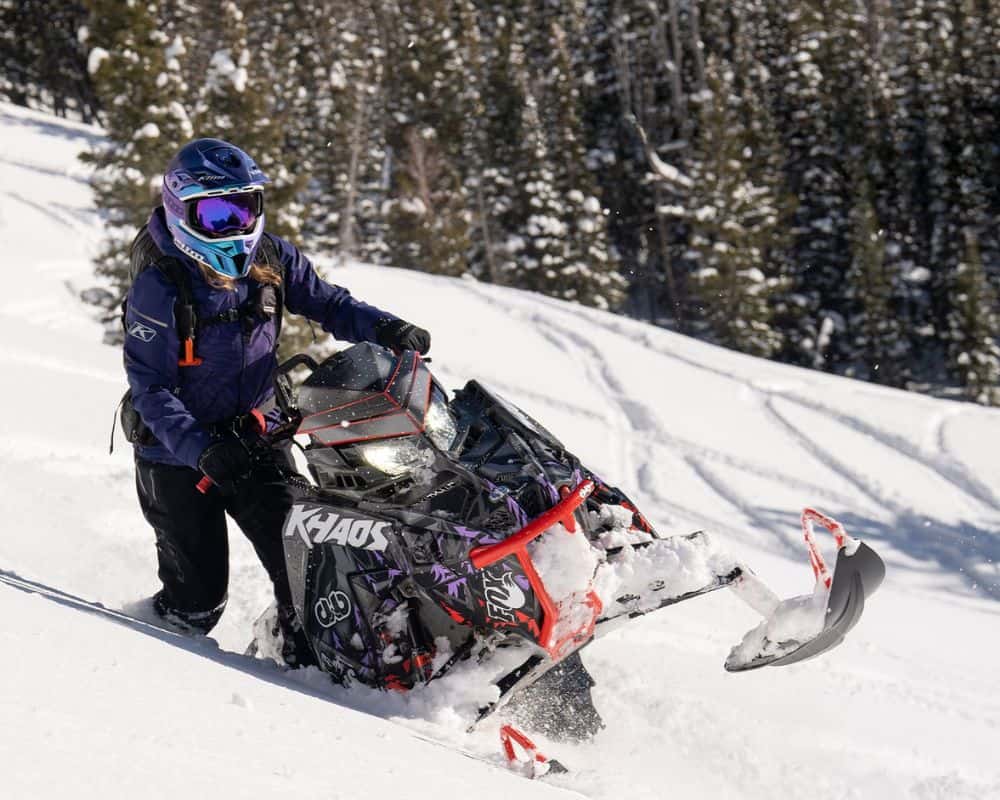
Best Women’s Shell: Klim Alpine Women’s Jacket
Why it stands out
Women riders deserve purpose‑built shells for mountain and trail riding. The Klim Alpine Women’s Jacket is a 2‑layer Gore‑Tex performance shell made from a lightweight 150 denier fabric with a DWR finish. It’s fully seam sealed and uses black reflective Scotchlite material for subtle visibility. Klim removed bulky overlays to reduce weight and bulk, making the jacket sleek and easy to move in.
Comfort and use
Female riders often struggle with baggy fits that impede movement. The Alpine’s pattern is shaped for women, with a narrower waist and shoulders. Full pit vents, a goggle chamois, and a tether D‑ring show that Klim designed this for serious riding. Because there’s no insulation, you can tailor your warmth with mid‑layers — perfect for high‑output hill climbs or springtime rides. Users appreciate that the colorways avoid stereotypical pinks and instead offer bold reds and blacks.
Downsides and silver linings
Shell jackets require layering, and some riders might miss the simplicity of one thick jacket. The upside is complete flexibility: pair the Alpine with a down puffy for mid‑winter conditions or wear it over a base layer when riding aggressively. Another note is price — Gore‑Tex shells aren’t cheap. For a lower‑cost women’s option, the 509 Women’s Range above provides insulation and waterproofing at a friendlier price.

A women-specific Gore-Tex shell built for mountain and trail riding, offering excellent mobility and dependable weather protection.
- Tailored fit enhances movement
- Strong Gore-Tex waterproofing
- Pit vents help manage heat
- Lightweight and easy to layer
- Requires layering in cold weather
- Slim fit may feel tight with thick layers
Comparison Table
Below is a quick reference comparing key specs for all seven jackets. Use it as a starting point — each jacket’s performance depends on how and where you ride.
| Jacket | Shell Material / Waterproofing | Insulation (g) | Best For | Price (approx.) |
|---|---|---|---|---|
| Klim Klimate | Gore‑Tex performance shell; fully seam sealed | 260 g body / 220 g sleeves / 100 g collar | Extreme cold trail riding | $$$$ |
| Klim Kaos | 2‑layer Gore‑Tex performance shell | 200 g body & sleeves | Lightweight trail/active riders | $$$ |
| 509 Women’s Range | 5TECH Cordura 300D fabric, 10k/10k, stretch panels | 200 g body / 150 g arms | Women trail riders wanting warmth & fit | $$ |
| 509 Allied Insulated | 5FLEX stretch shell, PFAS‑free DWR | 300 g quilted + 100 g Synloft | Versatile 3‑in‑1 trail/backcountry | $$$ |
| 509 Evolve 2.0 Shell | 5FLEX 10k/10k stretch fabric; fully taped seams | None (shell) | High‑output backcountry riding | $$ |
| Fly Racing Outpost | Hydrashield 10k/10k with DWR | 200 g body / 150 g sleeves | Budget‑minded trail riders | $$ |
| 509 Temper Insulated | Tempered 300 D fabric, 10k/10k laminate | 200 g body / 180 g arms | Work & trail riders requiring durability | $$ |
| Klim Alpine (women) | 2‑layer Gore‑Tex shell | None (shell) | Women backcountry/hill climbs | $$$ |
Price categories (approx.): $$$$ = premium (above $450), $$$ = upper mid‑range ($300–$450), $$ = mid‑range (around $250–$300). Prices vary by retailer and sale.
Buying Guide: Finding Your Perfect Snowmobile Jacket
To pick the right jacket, consider your riding style, climate and budget.
1. Trail vs. Backcountry
Trail riders covering long distances at high speeds need insulation and wind protection. Jackets like the Klim Klimate and Klim Kaos excel here. Backcountry or mountain riders burn more calories and need breathability; an uninsulated shell like the 509 Evolve 2.0 or Klim Alpine allows for flexible layering.
2. Temperature Range
If you ride in consistently frigid conditions (10°F and below), heavy insulation (200–260 g) prevents chills. For mixed conditions or spring riding, a mid‑weight jacket or a shell with layered insulation is better. Women often find 200 g of insulation adequate for moderate cold, as seen in the 509 Women’s Range.
3. Fit and Mobility
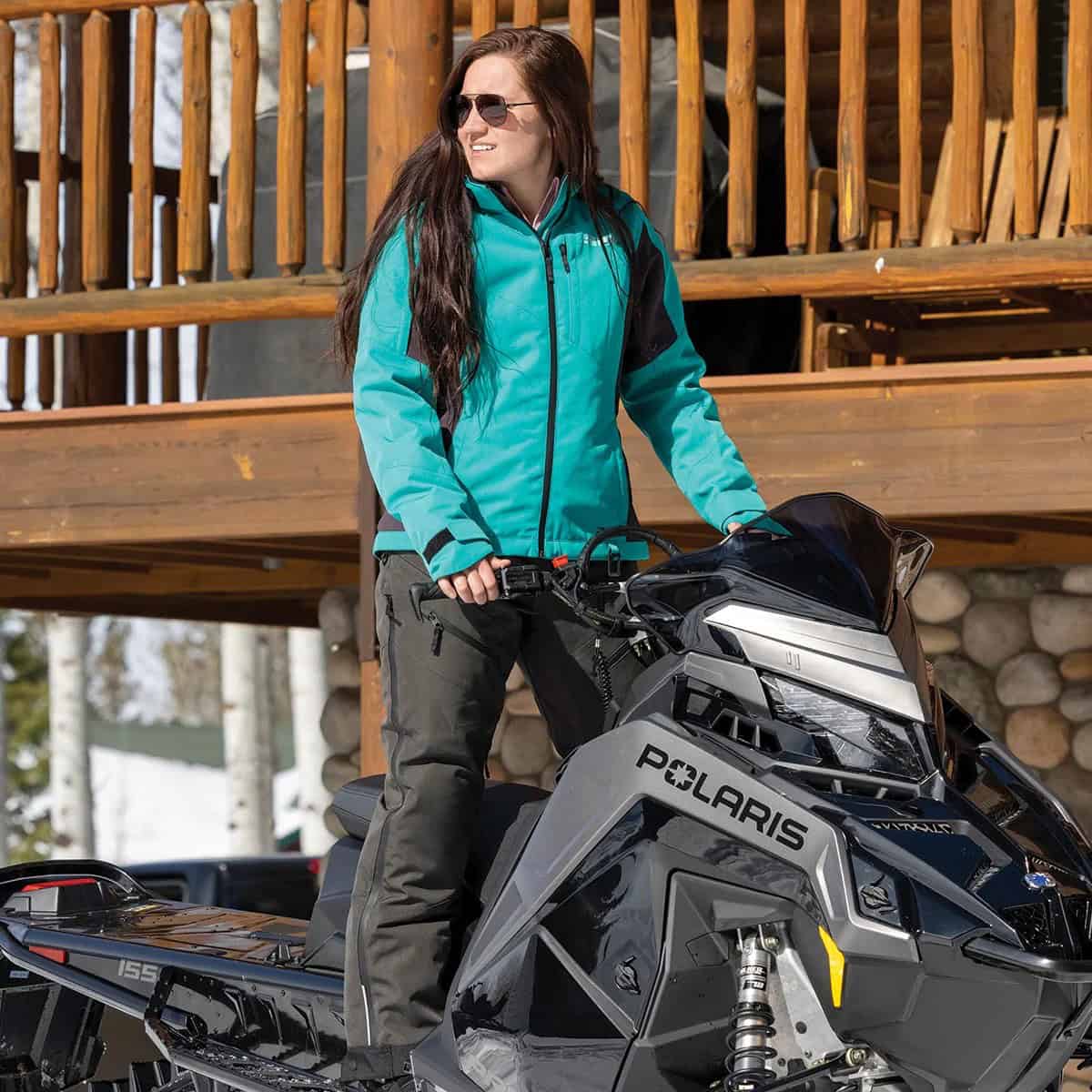
Choose a jacket that matches your build. Women‑specific designs like the Range and Alpine provide better ergonomics. Stretch fabrics (509 Allied and Evolve) increase comfort but may compromise ultimate durability. If you work in your jacket or ride through brush, a tougher fabric like the 509 Temper’s 300 D tempered material or Fly Outpost’s Cordura panels is advisable.
4. Ventilation
Even in cold weather, you’ll overheat on tough sections. Look for full pit zips, chest vents or side vents. Klim and 509 jackets excel here: the Klimate’s full pit vents, Kaos side vents, and 509 Allied/Evolve vents help regulate heat.
5. Waterproofing & Breathability
Snow often melts on contact, leading to soggy insulation. Gore‑Tex remains the gold standard for waterproofing and breathability. 509’s 5FLEX and Fly’s Hydrashield provide good protection at lower cost. Make sure all seams are taped and zippers are water‑resistant. The Klimate, Kaos, and Alpine are fully seam sealed.
6. Features & Accessories
Consider extras like powder skirts, wrist gaiters, removable hoods, tether D‑rings, goggle wipes, and reflective materials. These features may seem minor but can dramatically improve comfort. For example, the Klimate’s mesh hem drains water after deep snow sessions and the 509 Allied’s goggle sham pocket keeps your lenses clear.
Final Thoughts
The best snowmobile jacket is the one that matches your riding style, body type and climate. Riders pushing high speeds on icy trails will love the bombproof warmth of the Klim Klimate, while active sledders tackling mountains or cross‑country trails will appreciate the freedom and breathability of the 509 Evolve 2.0 or Klim Alpine.
Women riders finally have tailored options in the 509 Range and Klim Alpine, and the Fly Outpost offers great value without skimping on core features.
Whichever jacket you choose, remember that fit and layering matter. Try on jackets with the base and mid‑layers you plan to wear, and check mobility by reaching forward as if gripping handlebars. With the right jacket, you’ll stay warm, dry and happy, leaving you to focus on carving turns and making memories rather than battling the elements. Happy riding!