
Arai Regent-X vs Arai Contour-X: Which Is Better for Daily Commuting and Highway Riding?
 Evan Rally
left for contents
The Regent-X and Contour-X are two of Arai’s best street helmets, built on the same intermediate oval fit but separated by $170 and a few key upgrades. If you’re trying to figure out which one belongs on your head for the daily ride to work and weekend highway pulls, here’s exactly what that price gap gets you.
Buy the Arai Regent-X if you:
- Want a Snell-rated, hand-built Arai helmet without spending $800+
- Ride mostly in cooler or mild climates where ventilation isn’t a top priority
- Don’t plan on installing a Bluetooth comms system anytime soon
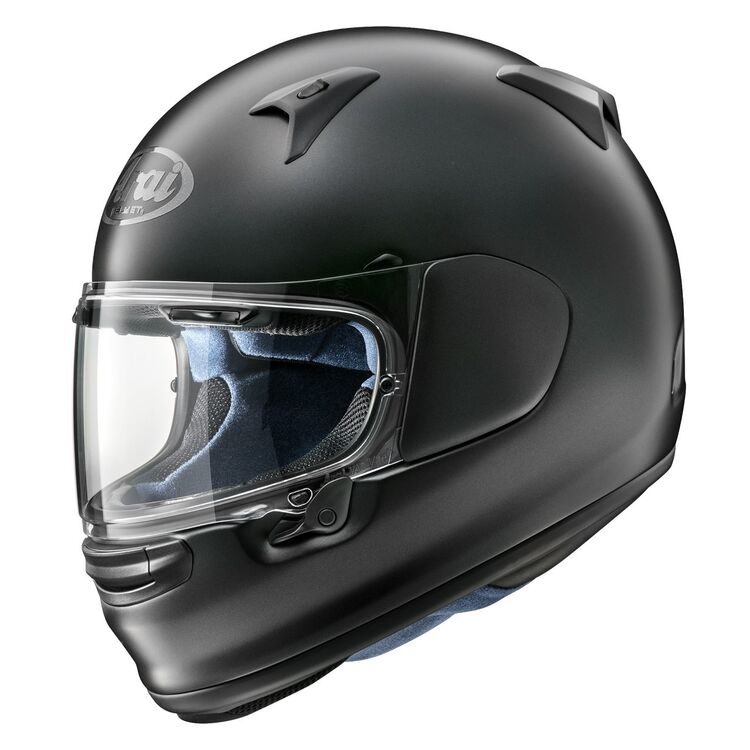
Entry‑level Arai helmet offering premium build quality, plush comfort, and high‑end safety certifications in a surprisingly easy‑to‑put‑on package.
- Exceptional comfort thanks to plush Facial Contour System
- Snell M2020 & DOT certified for elite crash protection
- Effortless donning with wider shell opening
- Wide eyeport with Pinlock‑ready Max Vision shield
- Vent controls can feel stiff when wearing gloves
- Heavier and noisier than ultra‑premium sport helmets
Buy the Arai Contour-X if you:
- Commute daily and want the best airflow Arai puts in a street helmet
- Plan to install a Cardo or Sena unit and want speaker pockets, wire routing, and emergency cheek pad release built in
- Spend long hours on the highway and want less buffeting and better stability at speed
Bottom line: The Contour-X is worth the extra $170 if you ride every day in warm weather or want a helmet that’s ready for comms out of the box.
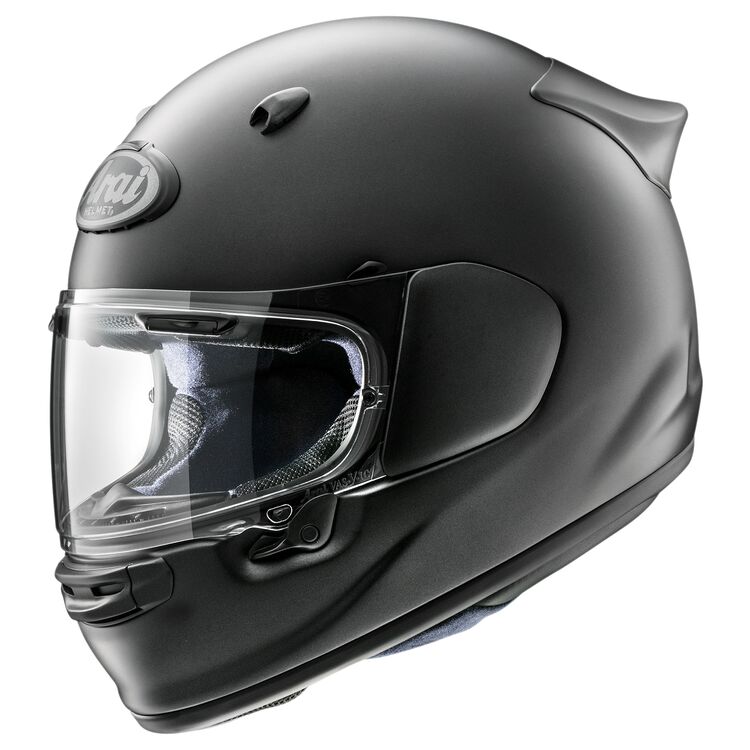
Combining race-derived aerodynamics with touring comfort, the Arai Contour-X delivers strong protection, excellent airflow, and a plush liner that keeps you cool and comfortable on both daily rides and long hauls.
- Unmatched comfort thanks to ultra-soft liner & roomy 5 mm flare at base
- Great ventilation: 7 intakes + 6 exhausts pull cool air & reduce heat build-up
- Aerodynamic shell & spoiler reduce buffeting at highway speeds
- Integrated speaker pockets & wire channel make comms setup clean & easy
- Shield locking mechanism is a bit finicky and takes getting used to
- Raised logo vent can be hard to operate when wearing thick gloves
At-a-Glance: Specs & Price
| Specs | Arai Regent-X | Arai Contour-X |
|---|---|---|
| Weight | 3.41 lbs | 3.34 lbs (medium) |
| Fit/Shape | Intermediate Oval | Intermediate Oval |
| Shell | PB-cLc (Super Complex Laminate Construction), 4 shell sizes | PB-cLc2 (25+ pieces, Z-Compound resin), 4 shell sizes |
| Safety | Snell M2025 + DOT | Snell M2020D + DOT |
| Ventilation | Free Flow System: dual front intakes, side exhausts, rear exhaust, 3-position chin vent | 13 ports (7 intake, 6 exhaust), forehead vent through shell, XGR spoiler exhaust |
| Shield | VAS-V MAX Vision, Pinlock ready | VAS-V MAX Vision, Pinlock ready |
| Comms Ready | Speaker pockets only | Speaker pockets, wire routing in neck roll, emergency cheek pad release |
| Warranty | 5-year manufacturer warranty | 5-year manufacturer warranty |
| Price (typical) | ~$630 solid / ~$770 graphic (as of early 2026) | ~$800 solid / ~$950 graphic (as of early 2026) |
Who Each Helmet Is Built For
The Regent-X rider
- Your budget tops out around $650 and you still want Arai’s hand-built quality and Snell certification
- You ride in cooler climates where you won’t be battling sweat at every stoplight
- The idea of a comms system doesn’t interest you right now
- You prefer a helmet that’s been on the market since 2019 with a long track record and wide availability in colorways
- You want one of the most comfortable motorcycle helmets on the market at its price point
- Simplicity matters to you: fewer vents, fewer switches, same Arai protection

The Contour-X rider
- You commute in warm weather and airflow through your helmet determines whether you arrive fresh or drenched
- A comms system is part of your daily kit (or will be soon) and you want a helmet designed around it
- Highway stability and reduced buffeting matter because you spend 30+ minutes at 70 mph regularly
- You’re willing to spend $170 more for a lighter shell, better ventilation, and an integrated spoiler that pulls hot air out
- Emergency cheek pad release is a safety feature you value
- You want the newest shell tech in Arai’s street lineup with PB-cLc2 construction
What Riders Report (Hands-on & Owner Feedback)
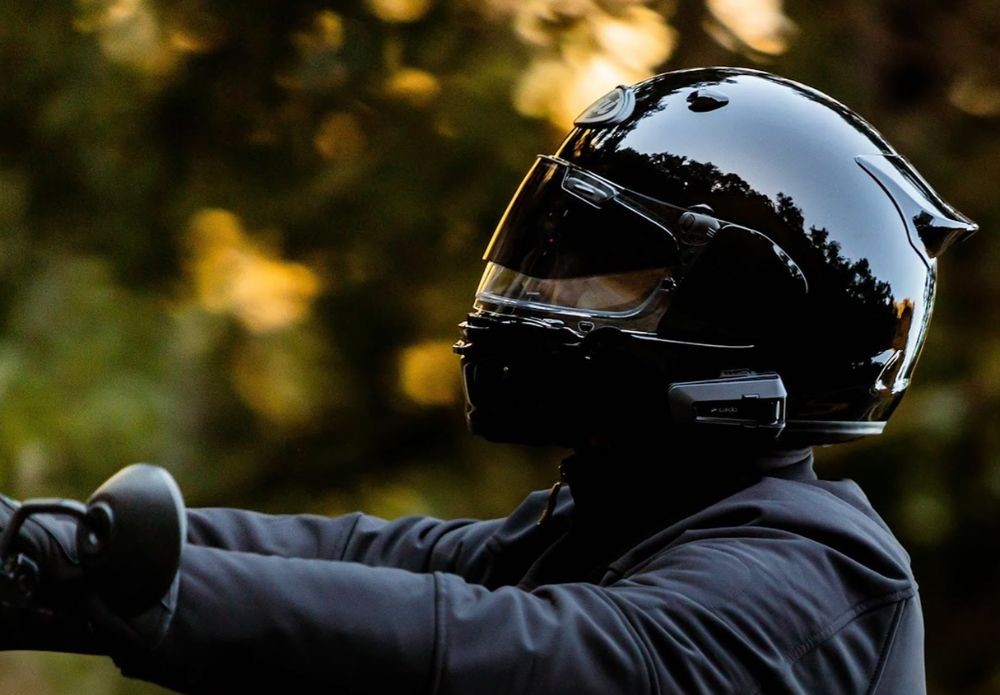
The Regent-X has been on the market since 2019, so there’s a deep pool of owner experience to pull from. The consensus: it’s one of the most comfortable helmets in its price range, with a plush interior that needs almost no break-in. Riders consistently praise the 5mm wider base opening, which makes pulling the helmet on and off noticeably easier than older Arai models. On comfort, it’s hard to find complaints.
Where the feedback gets mixed is ventilation. Multiple owners report that the Regent-X runs warm on long summer rides. The Free Flow System moves enough air to keep things tolerable, but if you’re sitting in stop-and-go traffic on an 85-degree afternoon, you’ll notice the heat building. Wind noise sits at a reasonable level for a Snell-rated helmet, and most riders find it perfectly acceptable with earplugs.
The Contour-X arrived in 2023 and immediately earned a reputation as the Arai that splits the difference between the comfort-focused Regent-X and the track-derived Corsair-X. Owner after owner calls it the most comfortable helmet they’ve worn. The comms-ready interior is a frequent highlight. If you’ve ever wrestled speaker wires through a helmet that wasn’t designed for them, you’ll appreciate the dedicated routing.
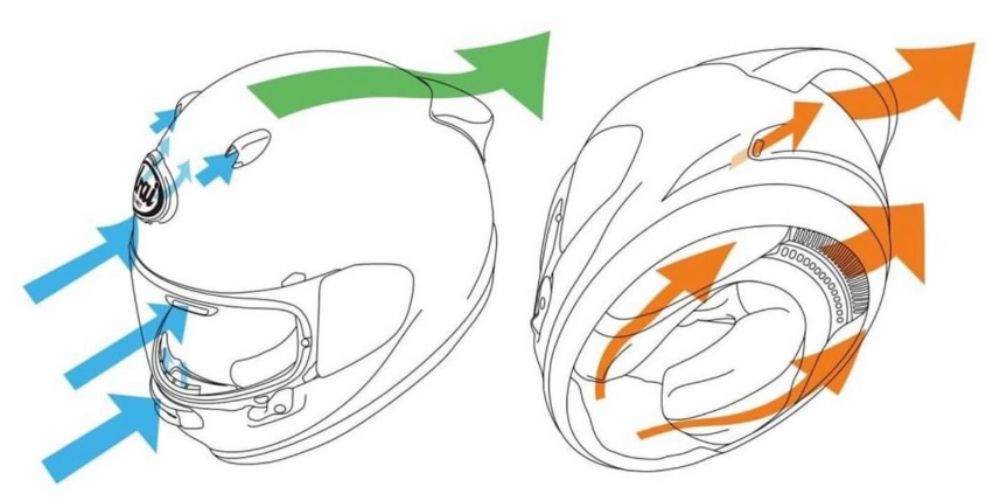
On ventilation, the reviews are nearly unanimous: the Contour-X moves more air than any other Arai street helmet. That central forehead vent (which passes directly through the shell, not around it) makes a noticeable difference even at city speeds. At highway pace, the XGR spoiler pulls hot air out of the rear exhaust while also smoothing out aerodynamic buffeting. The trade-off: a few owners mention the non-removable chin curtain as a minor annoyance.
Head-to-Head by Category
Ventilation in Heat and Traffic
This is where the Contour-X pulls ahead most clearly. Arai claims the forehead vent channels 40% more airflow at 30 mph and 7% more at 70 mph compared to previous designs. If you’ve ever sat at a red light in July with sweat pooling around your temples, that number matters.
The Regent-X’s Free Flow System is competent. It has a three-position chin vent and dual front intakes, plus side and rear exhausts. On a 65-degree ride, you won’t think twice about it. On a 90-degree commute through city traffic? You’ll wish for more.
The Contour-X gets 13 total ventilation ports (seven intake, six exhaust) compared to the Regent-X’s smaller set. And the Contour-X’s vents are easier to operate with gloves. If you’re choosing between these two helmets for warm-weather commuting, ventilation alone could make the decision for you.
Weight and All-Day Fatigue
The difference here is small but real: 3.34 lbs for the Contour-X versus 3.41 lbs for the Regent-X. That’s roughly one ounce.
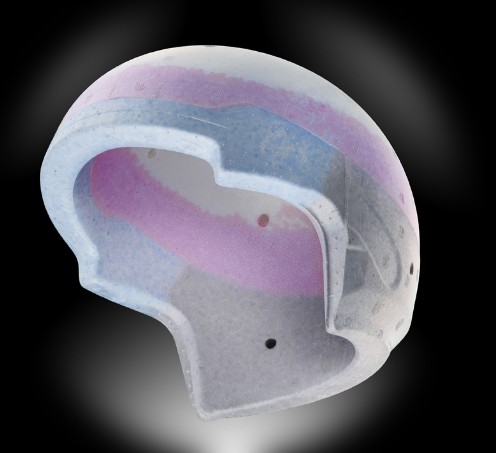
On a 20-minute commute, you will not notice that difference. On a four-hour highway ride, you might. But the more meaningful weight story is about where the weight sits. The Contour-X’s PB-cLc2 shell uses updated materials (including a lighter middle layer that replaced the older AR-mat) to reduce weight while maintaining strength. It’s a denser, more refined layup.
Both helmets use multi-density EPS liners, and both feel balanced on your head rather than front-heavy or top-heavy. For a daily commuter, either one will be comfortable. For a long-distance rider who also commutes, the Contour-X has a slight edge in reducing neck strain over hours.
Noise at Highway Speeds
Neither of these helmets will be the quietest motorcycle helmet you’ve ever worn. Arai prioritizes shell shape and protection geometry over noise isolation, and both the Regent-X and Contour-X reflect that philosophy.
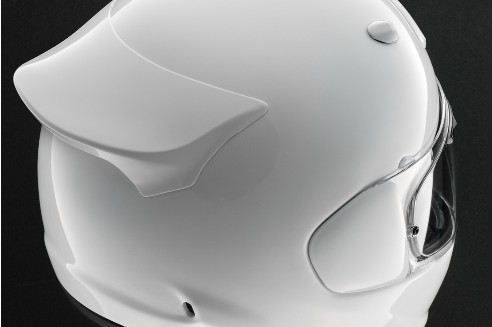
That said, the Contour-X’s XGR spoiler does more than look good. It smooths airflow around the back of the helmet, reducing turbulence and the low-frequency buffeting that makes long highway stretches fatiguing. Multiple reviewers note that the Contour-X feels more stable and slightly quieter above 60 mph, especially on bikes without a windscreen.
The Regent-X is a respectably quiet helmet for its class. Most riders describe it as tolerable without earplugs and comfortable with them. If highway noise is your primary concern, earplugs will do more than either helmet’s aerodynamic design.
Comms Readiness
This category is close to a knockout for the Contour-X.
The Regent-X has speaker pockets in the ear area, and you can install a Cardo or Sena unit with some effort. But there’s no dedicated wire routing, no emergency release cheek pads (which comms installers often prefer for clean routing), and the interior wasn’t designed with electronics in mind.
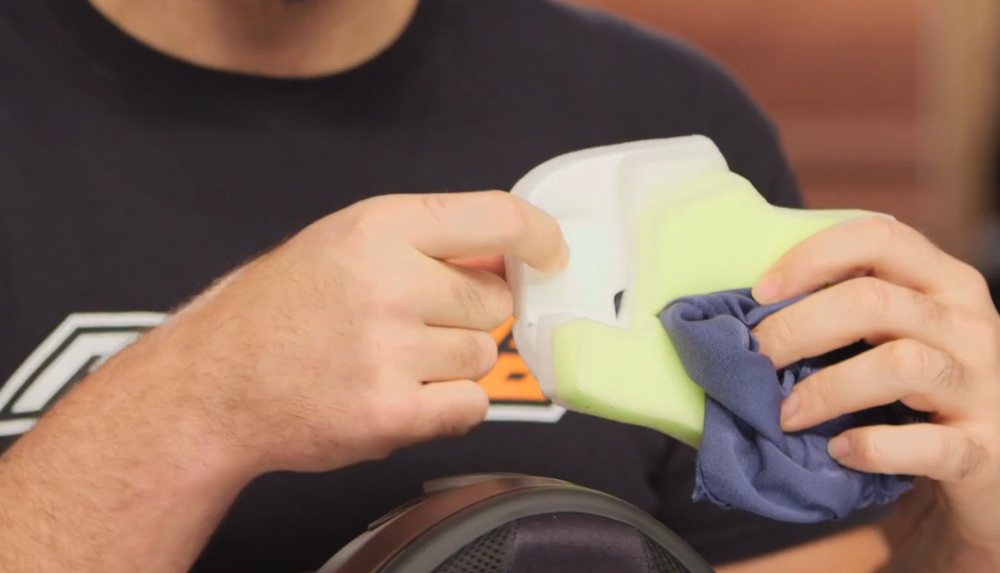
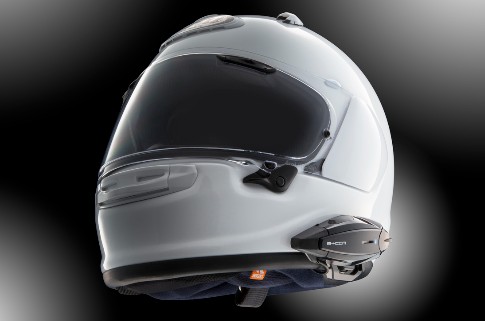
The Contour-X was built for it. Speaker pockets are shaped and positioned for the major comms brands. Wire routing runs through the neck roll so cables stay tucked away. The cheek pads use an emergency release system that doubles as easy-access removal for installation and maintenance. If you ride with a comms system every day, the Contour-X makes the process painless.
Visor and Sun Shield Usability
Both helmets use the same VAS-V MAX Vision face shield, which is a good piece of glass. The Variable Axis System mounts the shield lower on the helmet, improving the field of vision (especially at the top of your sight line) without requiring a taller eye port that would compromise shell strength.
The shield is Pinlock ready on both helmets, though the Pinlock insert is sold separately. The VAS latch system works well with gloved hands, and you get a de-mist position that cracks the shield slightly for fog management at stoplights.
Neither helmet comes with an internal drop-down sun visor. If that’s a feature you want for your commute, you’ll need to look at something like the Shoei GT-Air 3. Arai offers the optional Pro Shade System accessory for both helmets, which adds a drop-down tinted visor to the shield, though it adds weight and changes the helmet’s profile.
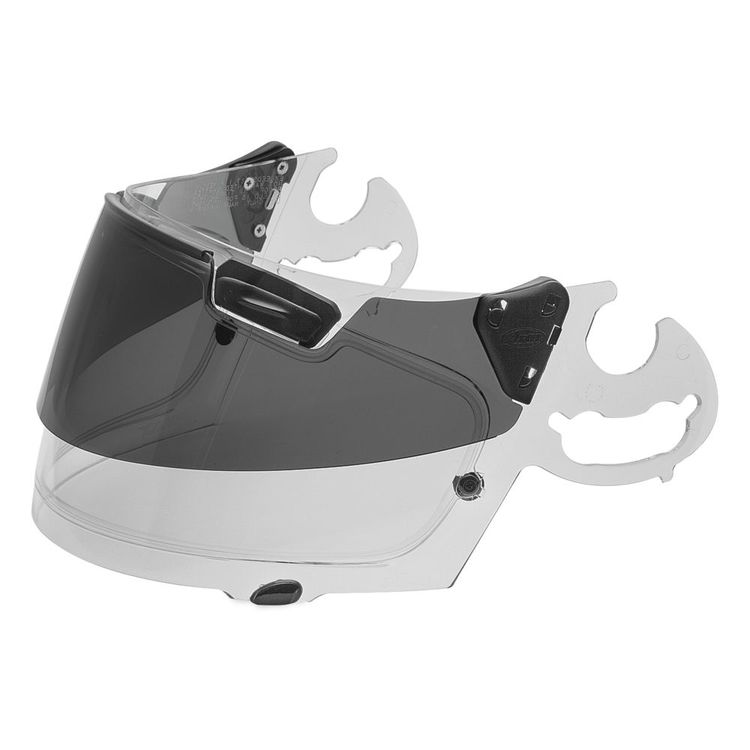
An external sun visor system that gives instant shade without reducing helmet protection. Flip it up or down as conditions change - no need to swap shields.
- Quick shade adjustment without stopping
- No impact on helmet safety or EPS thickness
- Multiple positions for changing light conditions
- Eliminates need to carry spare visor
- Can feel bulky compared to standard shields
- Some riders report minor wind noise or lift
Build Quality and Finish
This is Arai territory, and both helmets deliver. Every shell is hand-laid and individually inspected. The inspector signs the inside of each shell. Paint quality, vent mechanisms, and liner materials all feel a step above what you’ll find at this price from most other brands. If you’ve ever wondered why riders become Arai loyalists, picking up either of these helmets answers the question.
The Contour-X does get the newer PB-cLc2 shell construction, which uses more than 25 individual pieces and Arai’s latest Z-Compound resin. The Regent-X uses the slightly older (but still excellent) PB-cLc shell. In practical terms, both will protect your head with equal commitment. The Contour-X does it with a bit less weight.
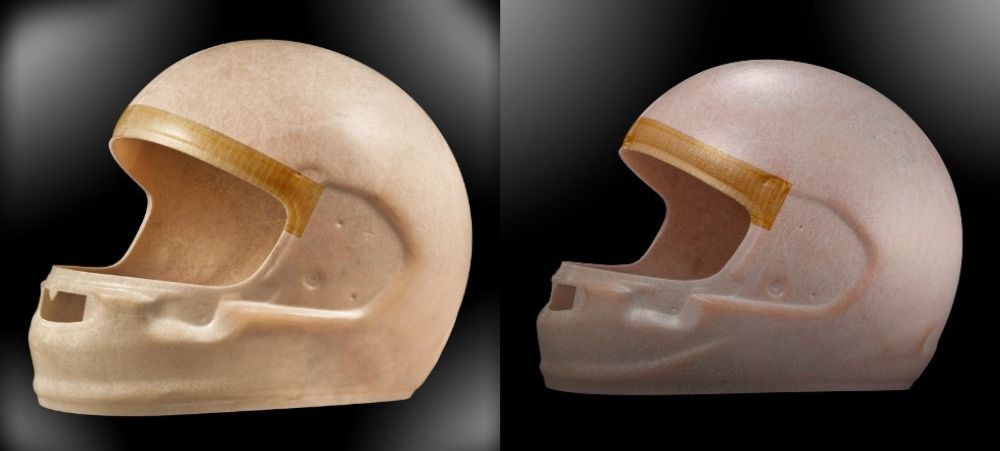
Arai is consistently rated among the best motorcycle helmet brands for a reason. These two helmets are a perfect example of what that reputation is built on.
Value for Money: Is the Upgrade Worth It?
The Regent-X sells for around $630 in solid colors. The Contour-X runs about $800 in solids. That’s a $170 gap.
Here’s what that $170 buys you:
Better ventilation. Thirteen ports versus the Regent-X’s smaller count. A forehead vent that cuts directly through the shell. The XGR spoiler that doubles as a hot air extractor. If you commute in heat, this alone could justify the price.
Comms-ready interior. Speaker pockets with proper positioning, wire routing through the neck roll, and emergency release cheek pads. If you’re planning to spend $300+ on a Cardo or Sena system, having a helmet that’s designed to work with it saves frustration and produces a cleaner installation.
Lighter shell with newer materials. The PB-cLc2 construction saves about one ounce while using Arai’s latest resin and fiber technology. Marginal? Sure. But it adds up with the ventilation and aero improvements.
Better highway stability. The XGR spoiler reduces buffeting at speed. If your commute includes a 70 mph highway stretch, you’ll feel the difference.
What you don’t get: The Contour-X does not add an internal sun visor, MIPS, or any fundamentally different safety approach. Both helmets carry the same Arai protection philosophy. Both use the same VAS-V shield. Both fit intermediate oval heads. The Regent-X carries the newer Snell M2025 certification, while the Contour-X currently carries Snell M2020D.
For a rider who commutes three or more days a week in warm weather and uses (or plans to use) a Bluetooth comms unit, the Contour-X is a smart spend. The ventilation and comms integration alone will make your daily ride more comfortable.
For a rider in a cooler climate who doesn’t plan on installing comms, the Regent-X delivers the core Arai experience at a lower price. You’re not settling. You’re just spending your money where it matters most for your riding.
Good Alternatives
Shoei RF-1400 (~$600): If you want the lightest, quietest full-face in this price range and don’t need Arai’s intermediate oval fit. Some riders who switched from the Regent-X report noticeably lower noise. A great option if your commute is highway-heavy. Check out our dedicated review of the RF-1400 if you want to dive deeper.
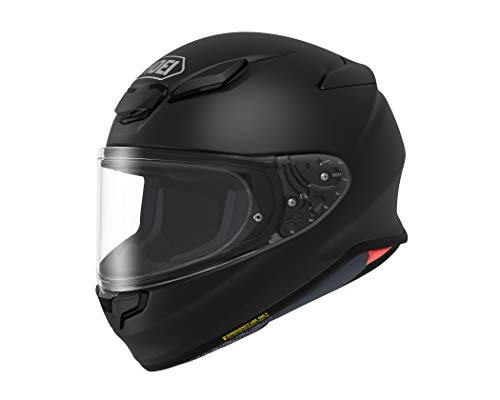
One of the top motorcycle helmets for street riding due to its incredible safety ratings, solid build construction, versatile shell for street and track riding, and reasonable price. Long term review here.
- Staff pick at Revzilla
- Quietest helmet on the market
- Excellent build quality
- Thick noise-sealing cheekpads
- Visor seal built like Fort Knox
- Snell certified for track use
- Lacking touring comfort features like drop down sun shield
Shoei GT-Air 3 (~$620-680): The commuter’s darling. It comes with a built-in drop-down sun visor and integrated comms slot for the Shoei SRL2 system. If the lack of an internal sun shield on the Arai helmets bugs you, this is the answer. Check out our Shoei RF-1400 vs GT-Air 3 comparison for more detail.

A premium touring helmet built to disappear on long rides: plush liner, adjustable vents, thick neck-roll and tight sealing visor for that sweet sweet silence and an optically-clear drop down sun shield. Fits the SRL3 Sena comms system seamlessly.
- Super quiet
- Wind tunnel molded for smoother ride (less fatigue)
- Eyeglass compatible
- Internal sun shade and Pinlock visor
- A bit heavier than carbon‑shell alternatives
- Ratchet strap may irritate throat
AGV K6 S (~$500-550): Lighter than both Arais (around 2.9 lbs) with excellent ventilation and a compact shell. It fits a different head shape (more round), but for the money, it’s one of the best full-face helmets you can buy for commuting. A strong pick if you’re looking to spend less without giving up much.
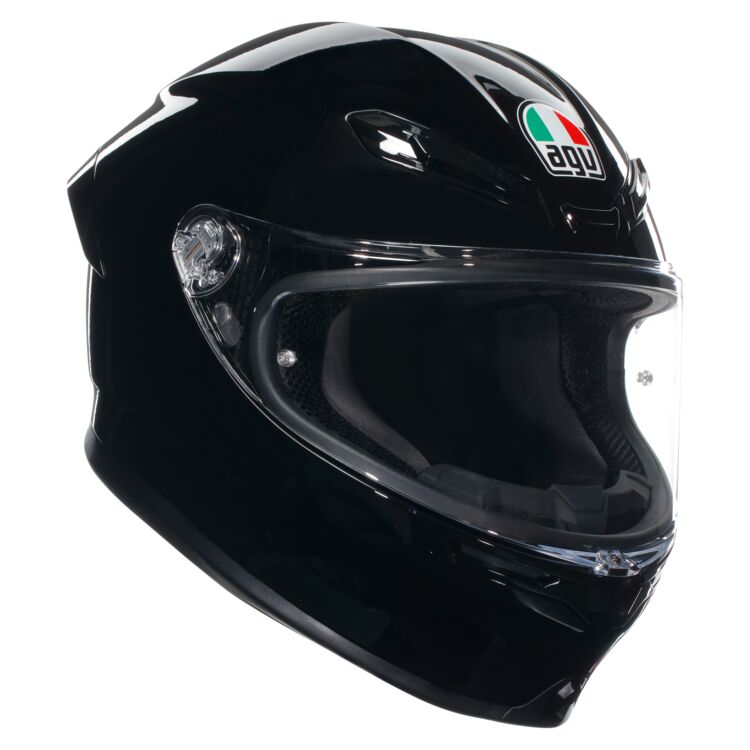
A lightweight and aerodynamic helmet designed for ultimate comfort and protection, inspired by MotoGP technology.
- Ultra-light composite shell reduces fatigue
- 190° field of view enhances road awareness
- Aerodynamic design with low wind noise
- Excellent ventilation with multi-vent airflow
- Eyeglass-friendly interior and comms-ready
- Vent sliders can be fiddly with gloves
- Compact sizing—double-check shell fit
FAQ
Do the Regent-X and Contour-X fit the same? Both use Arai’s Intermediate Oval interior shape, so the general fit profile is the same. The Contour-X’s FCS-2 cheek pads are a slight update from the Regent-X’s FCS pads, and both helmets share the 5mm wider base opening that makes them easier to put on and take off. If one fits you well, the other very likely will too. Use our helmet size calculator to find your starting point.
Can I install a Cardo or Sena in the Regent-X? Yes, but it takes more work. The Regent-X has speaker pockets, so your speakers will sit where they need to. The challenge is wire routing: you’ll be tucking cables manually since there’s no built-in channel. It works, but it’s not as clean as the Contour-X’s purpose-built comms layout.
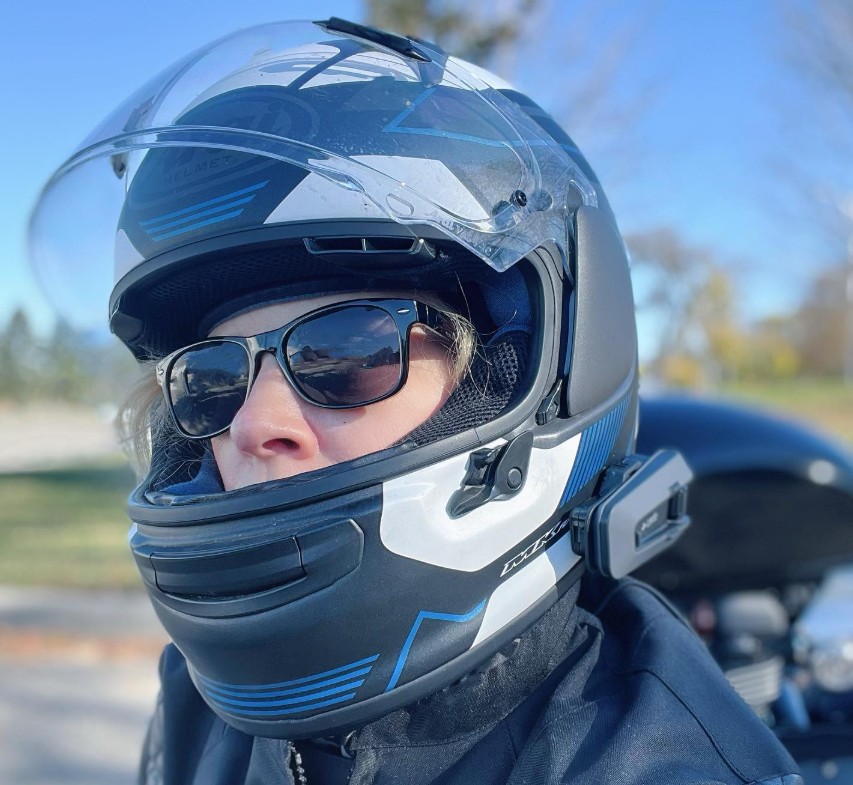
Is the Contour-X noticeably cooler in traffic? Multiple owners and reviewers confirm yes. The forehead vent that passes through the shell (rather than routing around it) makes a tangible difference, especially at low speeds and stops. If your commute involves city traffic in summer, this is one of the best ventilated motorcycle helmets you can buy.
Why doesn’t either helmet have MIPS? Arai’s approach to rotational impact management relies on shell shape rather than an internal slip plane. Their philosophy is that a rounder, smoother shell glances off impacts more effectively, reducing the rotational forces transmitted to your brain. It’s a fundamentally different design approach from MIPS, and it’s backed by decades of racing data. You can read more about how different brands approach safety in our safest motorcycle helmets roundup.
Are graphics versions worth the extra $140-150? Functionally, no. A graphic Regent-X or Contour-X is identical to the solid version in every performance metric. You’re paying for paint. If a specific design speaks to you, go for it. If you’re trying to maximize value, stick with a solid color.
Which helmet is better for glasses wearers? Both helmets accommodate glasses, though neither is specifically designed for eyeglass routing. The VAS shield system’s lower mounting point gives you slightly more room at the temples.
The Contour-X’s wider base opening may make putting on and removing the helmet with glasses a bit easier, but neither helmet has cutouts or channels specifically for eyeglass arms. Arai makes eyeglass-compatible cheek pads as an optional accessory for some models; check availability for the specific helmet you’re considering.
Best for value-driven comfort
|
Best for ventilated commuting
|
Entry‑level Arai helmet offering premium build quality, plush comfort, and high‑end safety certifications in a surprisingly easy‑to‑put‑on package. | Race-derived aerodynamics meet touring comfort - the Contour-X delivers strong protection, airflow, and all-day comfort. |
|
|
|
|
Entry‑level Arai helmet offering premium build quality, plush comfort, and high‑end safety certifications in a surprisingly easy‑to‑put‑on package.
- Plush FCS liner for all-day comfort
- Snell M2020 + DOT certified protection
- Wider opening for easy on/off
- Wide eyeport with Pinlock-ready shield
- Vent controls can feel stiff when wearing gloves
- Heavier and noisier than ultra‑premium sport helmets
Race-derived aerodynamics meet touring comfort - the Contour-X delivers strong protection, airflow, and all-day comfort.
- Ultra-soft liner + 5mm flare for all-day comfort
- 7 intakes / 6 exhausts keep airflow strong
- Aerodynamic shell + spoiler reduce buffeting
- Comms-ready with clean speaker and wire routing
- Shield lock is finicky at first
- Top vent can be tricky with thick gloves