
Arai Corsair-X vs Signet-X: Which Is Better for Sport Riding vs Street Touring?
 Evan Rally
left for contents
Both helmets come from the same Arai family tree, share the same VAS shield system, and carry identical DOT and Snell M2020D certifications. But they’re built for different riders. The Corsair-X is Arai’s race-bred flagship tuned for tucked-in sport riding, while the Signet-X is a street-first touring lid built specifically for long oval heads. The roughly $180 gap between them (as of early 2026) buys you a different shell formula, a different ventilation approach, and a fundamentally different riding experience. If you’re weighing the Signet-X against Arai’s entry-level street lid instead, our Regent-X vs Signet-X comparison covers that cheaper-sibling matchup.
Buy the Arai Corsair-X if you:
- You have an intermediate oval head and ride track days or aggressive canyon roads where aerodynamics matter.
- You want Arai’s most advanced ventilation (IC Duct-5 intakes, Type 12 diffusers) and their top-tier PB-SNC2 shell.
- You’ll trade quiet for airflow and don’t mind a snug, race-tight fit.
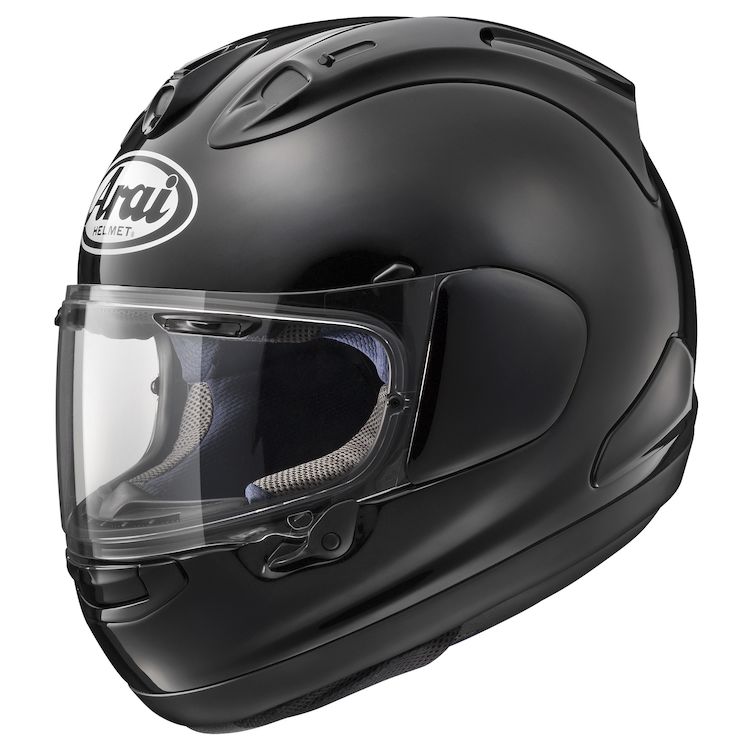
Arai’s flagship race helmet built for maximum protection and high-speed stability. Delivers aggressive airflow, premium materials, and a locked-in fit for serious riding.
- Race-level protection with premium shell materials
- Excellent airflow for hot, aggressive riding
- Stable at speed with minimal lift or buffeting
- Top-tier build quality and finish throughout
- Tight fit makes daily on/off less convenient
- Wind noise higher than touring-focused helmets
Buy the Arai Signet-X if you:
- You have a long oval head. If the Corsair-X squeezes your temples, the Signet-X may be your only premium Arai option.
- You log long highway days and want a quieter, more comfortable fit with easier on/off.
- You’d rather save ~$180 and still get Snell-rated Arai quality with better comms integration.
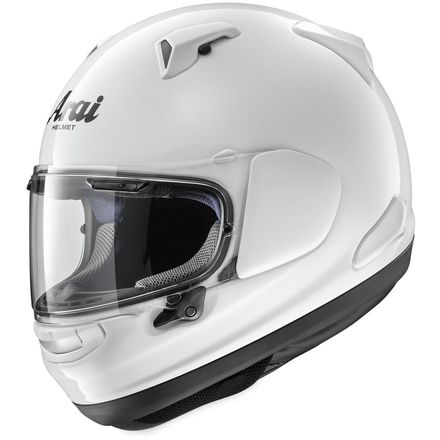
Purpose-built for long‑oval heads, the Arai Signet‑X delivers exceptional comfort, top-tier Snell-rated protection, and robust ventilation—all without pressure points or fit compromises.
- Long-oval: no forehead hotspots
- Lightweight: less fatigue on long rides
- Excellent airflow: stays cool in heat/traffic
- Snell M2020/DOT; adjustable padding
- Vent-heavy design can be noisy
- Face-shield latch is stiff with gloves
The Corsair-X is worth the extra ~$180 if you care most about track-grade aerodynamics, maximum ventilation at speed, and a race-proven shell formula. But head shape compatibility should be your deciding factor before anything else – and if intermediate oval fits you and street-only riding is the use case, our Corsair-X vs Regent-X comparison covers the more affordable street-focused Arai option.
At-a-Glance: Specs & Price
| Specs | Arai Corsair-X | Arai Signet-X |
|---|---|---|
| Weight | ~3.55 lbs (size M) | ~3.53 lbs (size M) |
| Fit/Shape | Intermediate Oval | Long Oval |
| Shell/Materials | PB-SNC2 (Peripherally Belted Structural Net Composite II) | PB-ScLc (Peripherally Belted Super Complex Laminate Construction) |
| Safety/Cert | DOT + Snell M2020D | DOT + Snell M2020D |
| Ventilation | IC Duct-5 intakes, Type 12 diffusers, 6 front + 7 rear vents | QVF & QVR ducts, chin vent, forehead vents, side vents, rear exhausts |
| Shield/Visor | VAS Max Vision + Pinlock 120 included | VAS Max Vision + Pinlock 120 included |
| Comms Readiness | 5mm peel-away ear pockets, speaker recess | Speaker pockets, emergency release cheek pads, wire routing |
| Warranty | 5-year (Arai standard) | 5-year (Arai standard) |
| Price (typical) | $930–$940 solid / $1,070–$1,200 graphic (as of early 2026) | $750–$770 solid / $910 graphic (as of early 2026) |
Who Each Product Is Built For
The Corsair-X Rider
- You ride a sportbike or sport-naked and spend time in an aggressive forward lean. The Corsair-X eye port is larger and positioned for a tucked posture, giving you better upward visibility when your chin is near the tank.
- You run hot. The IC Duct-5 system pulls 11% more air than the previous generation, and 20mm-longer Type 12 diffusers improve exhaust flow. Picture yourself stopped at a red light in August and you’ll understand why venting volume matters.
- You want the most advanced shell Arai puts on a consumer helmet. The PB-SNC2 construction uses fibers developed for Arai’s F1 visor panels. MotoGP riders trust this same tech at 200+ mph.
- You’re willing to fight a snug base opening every time you put it on. No 5mm flare here.
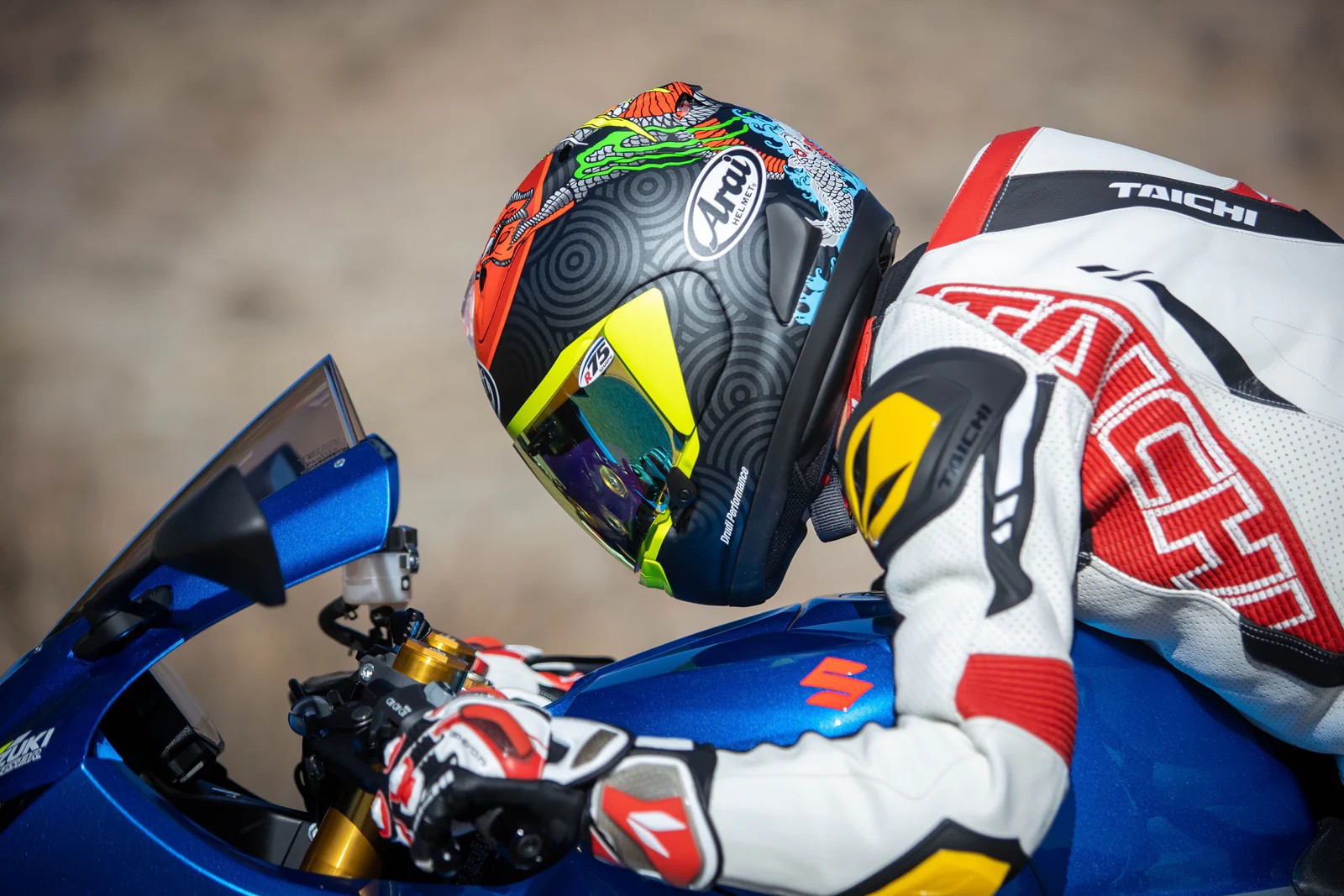
The Signet-X Rider
- Your head is longer front-to-back and narrower side-to-side. Most helmets cram your temples or leave gaps at the forehead. The Signet-X is one of very few premium helmets built from the EPS up for the long oval shape. If this is your head, stop reading and buy this one.
- You eat miles. Weekend trips, multi-day tours, highway commutes. The ES Chincover smooths airflow, reduces turbulence noise, and makes 8-hour days less fatiguing.
- You wear a Bluetooth comms unit on every ride. The Signet-X has generous speaker pockets, emergency release cheek pad tabs, and wire routing in the neck roll for clean installation.
- You appreciate getting your helmet on without a wrestling match. That 5mm-wider base opening is the difference between a smooth pull and yanking on your ears after a long day.
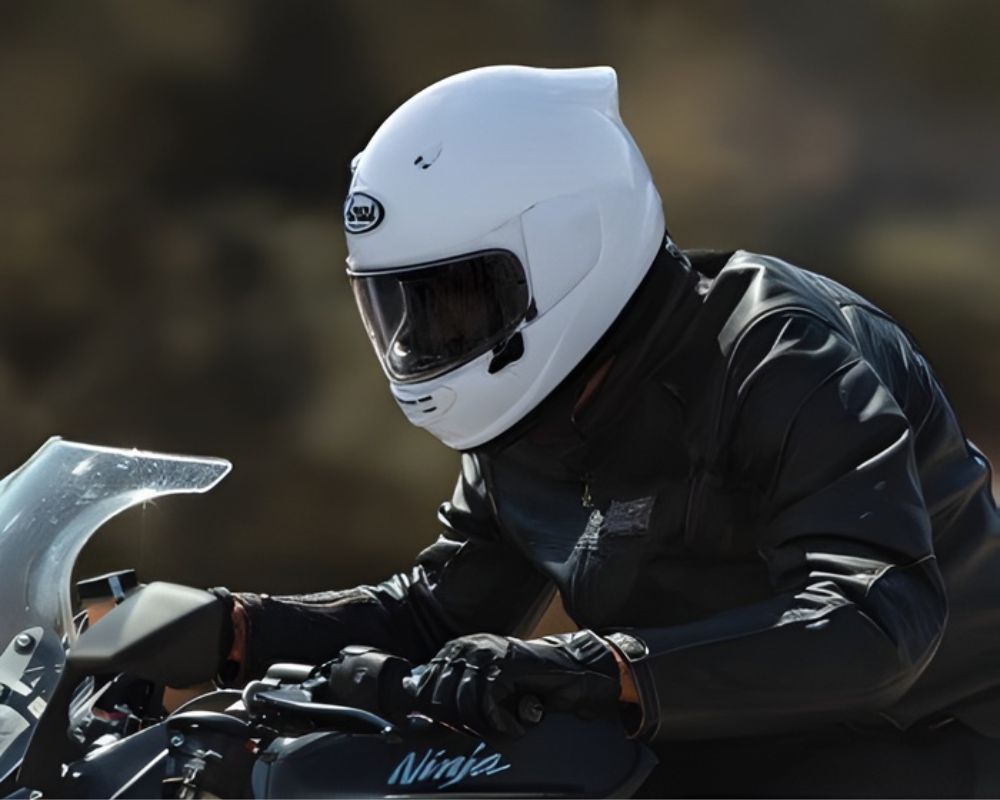
What Riders Report (Hands-on & Owner Feedback)
Corsair-X owners love:
- Ventilation that delivers. The single most praised feature across forums and long-term reviews. Owners say they can feel airflow across their scalp even crawling through traffic in summer heat.
- Rock-solid stability at speed. Zero lift, zero headshake on unfaired bikes at highway velocity. The shell cuts through air like it was born there.
- Build quality you can feel. Hand-laid shell, precise liner stitching, satisfying VAS latch click. Multiple independent reviewers rate the construction as among the finest in any consumer helmet.
Corsair-X owners flag:
- Not quiet. Open the vents and you’ll need earplugs at highway speeds. Venting and noise are a direct trade-off, and the Corsair-X chose venting.
- Tight on/off. The standard base opening (no 5mm flare) can be a chore, especially with glasses. Owners describe the first few uses as “fighting your way in.”
Signet-X owners love:
- Long oval fit is a revelation. Riders who’ve suffered with intermediate oval pressure points call the Signet-X the most comfortable helmet they’ve ever worn.
- Easy on and off. The 5mm-wider base gets mentioned in nearly every owner review. Removes the single biggest Arai complaint.
- Quieter than expected. The ES Chincover and improved sealing make this noticeably calmer at highway speed than the Corsair-X.
Signet-X owners flag:
- Visor latch stiffness. The VAS lock can be stubborn when new, particularly when trying to crack the shield for ventilation at stops. Loosens with use.
- Less airflow than the Corsair-X. Adequate for most conditions, but noticeable in extreme heat.
Not Sure What Size to Order? Get Our Gear Fit Guide.
Sizing charts for helmets, jackets, gloves & boots — with brand-specific fit notes and pro tips so your gear fits right the first time.
- Helmet sizing by brand
- Jacket, glove & boot charts
- Head shape guide
- Between-sizes tips
Head-to-Head by Category
Head Shape and Fit
This is the single biggest decision point, and it comes before everything else.
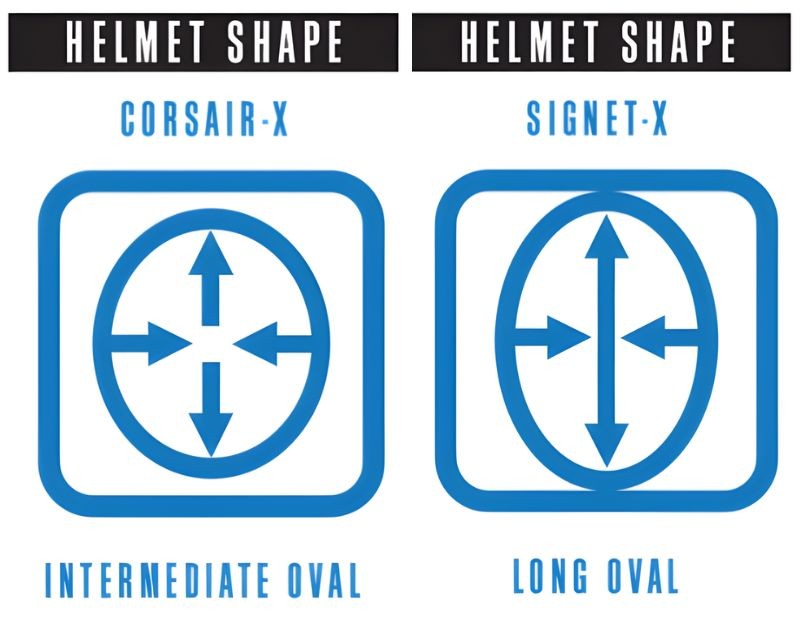
The Corsair-X uses Arai’s Intermediate Oval interior, slightly narrow side-to-side with extra forehead room. This fits the most common North American head shape. The Signet-X uses Long Oval, longer front-to-back and narrower on the sides. If intermediate oval helmets press your temples while leaving space front-and-back, the Signet-X was built for you. Use our helmet sizing guide if you’re unsure.
Both have removable 5mm peel-away temple pads and swappable cheek pads. But no padding swap converts one shape to the other. Try both on if you can.
Ventilation in Heat
The Corsair-X wins this one. Its IC Duct-5 intakes push 11% more air than the previous generation, and Type 12 diffusers running along the crown are 20mm longer. Six front intakes and seven rear exhausts push serious volume when cranked open.
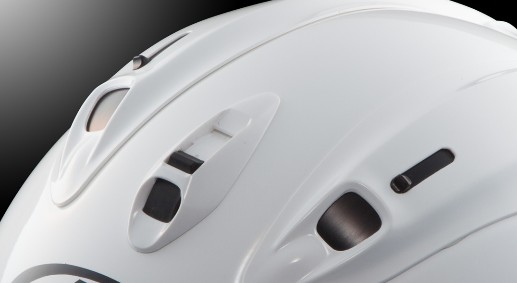
The Signet-X’s QVF and QVR ducts move plenty of air, and owners confirm the system works well even above 100°F. But independent testers note the Corsair-X channels noticeably more volume, particularly at lower speeds. If you ride in extreme heat and ventilation is your top priority, the Corsair-X has the edge.
Noise at Highway Speeds
The Signet-X takes this round. Its ES Chincover blocks turbulent air from under the chin bar and creates negative pressure to exhaust stale air. The result is a calmer ride than the Corsair-X, especially with crown vents closed. Check out our quietest motorcycle helmets guide for more on how helmet design affects noise.
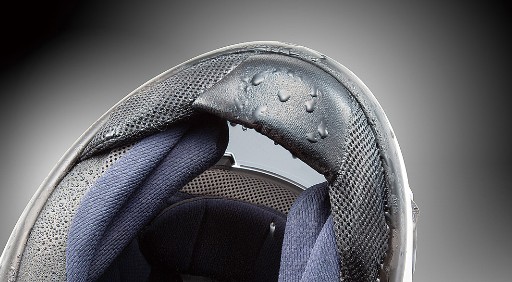
The Corsair-X prioritizes airflow over noise isolation. Open vents equal open microphones for wind. Both helmets benefit from earplugs, but for all-day highway riding, the Signet-X leaves your ears less fatigued.
Shield, Visor, and Comms
Both share the VAS shield mechanism, VAS Max Vision face shield, and a Pinlock 120 insert in the box. Both accept Arai’s optional Pro Shade external sunshield. The shield mounting sits 24mm lower than previous models, improving glance-off potential.
The Corsair-X gets a slightly larger eye port designed for a tucked sportbike posture. When you’re leaned forward, you get better upward visibility through corners. The Signet-X eye port is marginally smaller but perfectly adequate for street riding.
For comms, the Signet-X pulls ahead. Arai designed its speaker pockets specifically to fit Bluetooth units without hurting comfort, added emergency release cheek pads, and tucked a wire pocket into the neck roll. The Corsair-X has peel-away ear pockets and speaker recesses, but the Signet-X makes for a cleaner, more comfortable install.
Build and Shell Construction
Both are hand-built Arai helmets with the same meticulous quality control. The Corsair-X uses the PB-SNC2 shell with fibers developed for Arai’s F1 program. It’s the most premium shell material Arai puts on a consumer helmet.
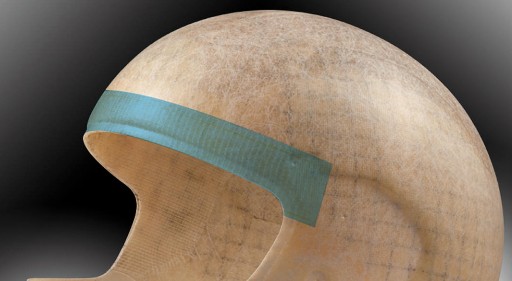
The Signet-X uses the PB-ScLc shell with slightly less exotic materials but the same laminate construction philosophy. Independent reviewers describe it as “very close” to the Corsair-X. Both meet Snell M2020D and sit among the safest motorcycle helmets you can buy.
Value for Money: Is the Extra $180 Worth It?
The Corsair-X runs about $930–$940 for a solid color, while the Signet-X sits at $750–$770 (as of early 2026 on RevZilla). That ~$180 buys you Arai’s top-tier PB-SNC2 shell with F1-derived fibers, the IC Duct-5 ventilation system with 11% more airflow, longer Type 12 diffusers, a larger eye port for sport postures, and access to race-replica graphics (which push both helmets higher). If the Corsair-X price is the sticking point and you’re open to looking outside Arai, our Shoei RF-1400 against the Corsair-X breaks down exactly what the $250 cheaper Shoei gives up on track focus and ventilation.
What it doesn’t buy: a quieter ride, easier on/off, better comms integration, or the long oval head shape. The Signet-X matches on safety certs, shield system, Pinlock, and Arai’s 5-year warranty. If the Signet-X is winning on street miles, our Signet-X squared off with the Shoei RF-1400 shows what Arai prices cost you on noise and fit.
Spend the extra if you have an intermediate oval head and want the best ventilation and aero Arai makes for track and sport riding. Save it if you have a long oval head, prioritize touring comfort and noise control, or want a quieter daily rider with cleaner comms integration.
Good Alternatives
Arai Contour-X (~$740–$750 solid): Arai’s sport-touring sweet spot. Intermediate oval fit like the Corsair-X, but with the 5mm-wider base opening, brushed nylon interior, and a rear spoiler from the Signet-X/Regent-X. If you want Corsair-X-level airflow with more street comfort and easier on/off, this is the one to try. Check out our list of the most comfortable motorcycle helmets for more options in this space.
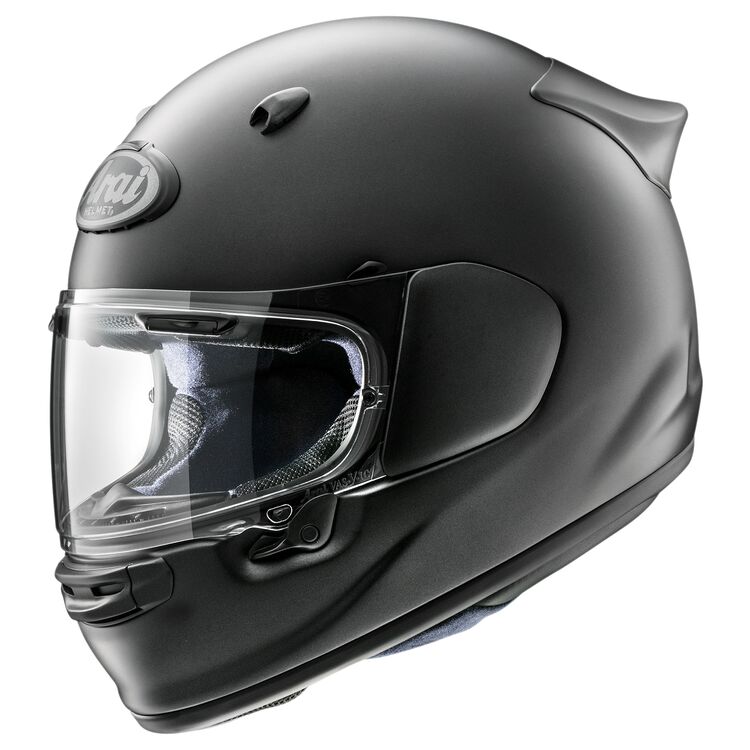
Combining race-derived aerodynamics with touring comfort, the Arai Contour-X delivers strong protection, excellent airflow, and a plush liner that keeps you cool and comfortable on both daily rides and long hauls.
- Unmatched comfort thanks to ultra-soft liner & roomy 5 mm flare at base
- Great ventilation: 7 intakes + 6 exhausts pull cool air & reduce heat build-up
- Aerodynamic shell & spoiler reduce buffeting at highway speeds
- Integrated speaker pockets & wire channel make comms setup clean & easy
- Shield locking mechanism is a bit finicky and takes getting used to
- Raised logo vent can be hard to operate when wearing thick gloves
Shoei RF-1400 (~$600–$620 solid): The quietest full-face helmet we’ve tested. Intermediate oval fit, lighter than both Arais, and significantly less expensive. Sacrifices Snell certification (DOT and ECE 22.06 only) and doesn’t offer the same level of fit customization. A great alternative if noise is your top priority. Check out our in-depth review of the Shoei RF-1400.
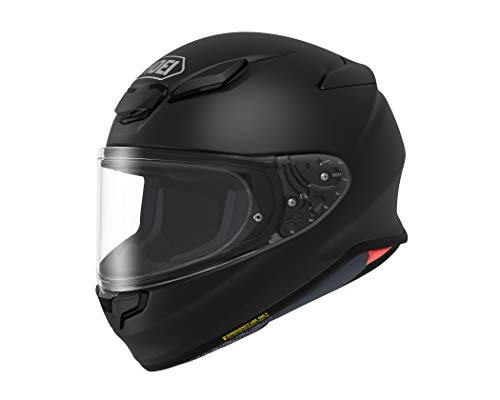
One of the top motorcycle helmets for street riding due to its incredible safety ratings, solid build construction, versatile shell for street and track riding, and reasonable price. Long term review here.
- Staff pick at Revzilla
- Quietest helmet on the market
- Excellent build quality
- Thick noise-sealing cheekpads
- Visor seal built like Fort Knox
- Snell certified for track use
- Lacking touring comfort features like drop down sun shield
AGV K6 S (~$500–$550): One of the lightest full-face helmets available with ECE 22.06 certification. Intermediate oval fit. Incredible ventilation and a massive field of view. If you want a lightweight lid at a lower price and don’t need Snell, the K6 S is worth a serious look.
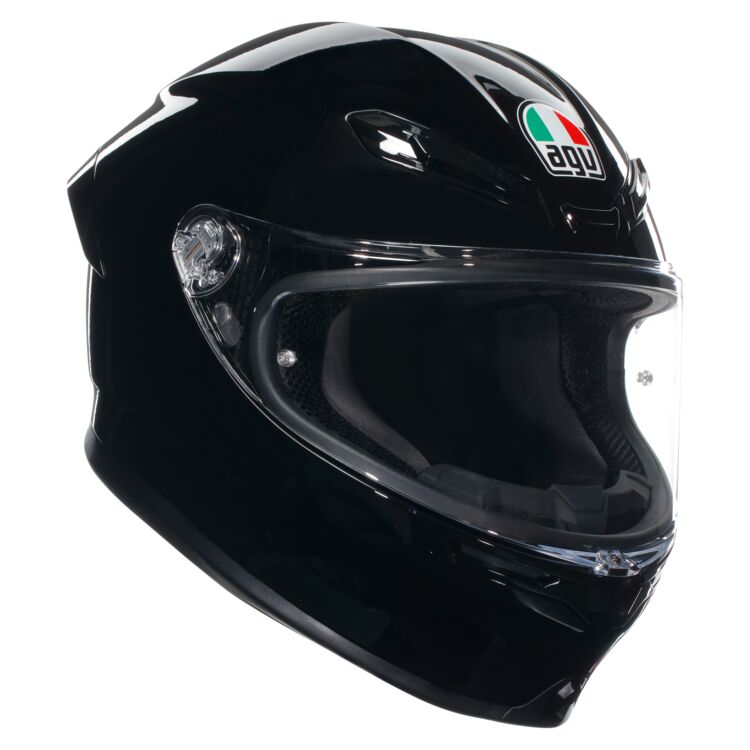
A lightweight and aerodynamic helmet designed for ultimate comfort and protection, inspired by MotoGP technology.
- Ultra-light composite shell reduces fatigue
- 190° field of view enhances road awareness
- Aerodynamic design with low wind noise
- Excellent ventilation with multi-vent airflow
- Eyeglass-friendly interior and comms-ready
- Vent sliders can be fiddly with gloves
- Compact sizing—double-check shell fit
FAQ
Is the Arai Corsair-X good for street riding?
Yes, but it’s optimized for sport and track use. The ventilation, eye port, and tight fit are tuned for a tucked position. You can daily it on the street, but you’ll deal with more noise and a tighter squeeze on/off. Many street riders love it. Just bring earplugs.
Can you wear the Signet-X on track days?
You can. It carries the same Snell M2020D certification, so no organizer will turn you away. The slightly smaller eye port is a minor downside in a track context, but for occasional track days mixed with street riding, the Signet-X works fine.
What’s the difference between intermediate oval and long oval?
Intermediate oval is the most common North American head shape, slightly narrower side-to-side with moderate front-to-back length. Long oval heads are noticeably longer front-to-back and narrower on the sides. Our helmet sizing guide walks through the measurement process so you can figure out your shape before buying.
Are Arai helmets worth the price over Shoei or AGV?
That depends on what you value. Arai helmets are hand-built with a focus on shell integrity and the R75 glance-off design philosophy. They also come in multiple head shapes, which is unique among premium brands. If the Arai shape fits you, few helmets match the comfort and build quality. Read our breakdown of the best motorcycle helmet brands for a deeper comparison.
Best for track-ready sport performance
|
Best for long oval all-day touring
|
Arai’s flagship race helmet built for maximum protection and high-speed stability. Delivers aggressive airflow, premium materials, and a locked-in fit for serious riding. | Purpose-built for long‑oval heads, the Arai Signet‑X delivers exceptional comfort, top-tier Snell-rated protection, and robust ventilation—all without pressure points or fit compromises. |
|
|
|
|
Arai’s flagship race helmet built for maximum protection and high-speed stability. Delivers aggressive airflow, premium materials, and a locked-in fit for serious riding.
- Race-level protection with premium shell materials
- Excellent airflow for hot, aggressive riding
- Stable at speed with minimal lift or buffeting
- Top-tier build quality and finish throughout
- Tight fit makes daily on/off less convenient
- Wind noise higher than touring-focused helmets
Purpose-built for long‑oval heads, the Arai Signet‑X delivers exceptional comfort, top-tier Snell-rated protection, and robust ventilation—all without pressure points or fit compromises.
- Long-oval: no forehead hotspots
- Lightweight: less fatigue on long rides
- Excellent airflow: stays cool in heat/traffic
- Snell M2020/DOT; adjustable padding
- Vent-heavy design can be noisy
- Face-shield latch is stiff with gloves